Jakarta, 25 October 2026 – Deputy Minister of Creative Economy/Deputy Head of the Creative Economy Agency (Ekraf), Irene Umar, personally visited the Creativillage event as part of the 2026 _World Conference on Creative Economy (WCCE), which took place at three strategic locations in the SCBD: Ashta District 8 (Village 1), MGP Space (Village 2), and SCBD Park (Village 3, WCCE Weekland) on Sunday (October 25). This visit reaffirmed the Ministry of Creative Economy’s commitment to expanding the market reach of local creative economy products to the international level through facilitating collaboration and business matching.
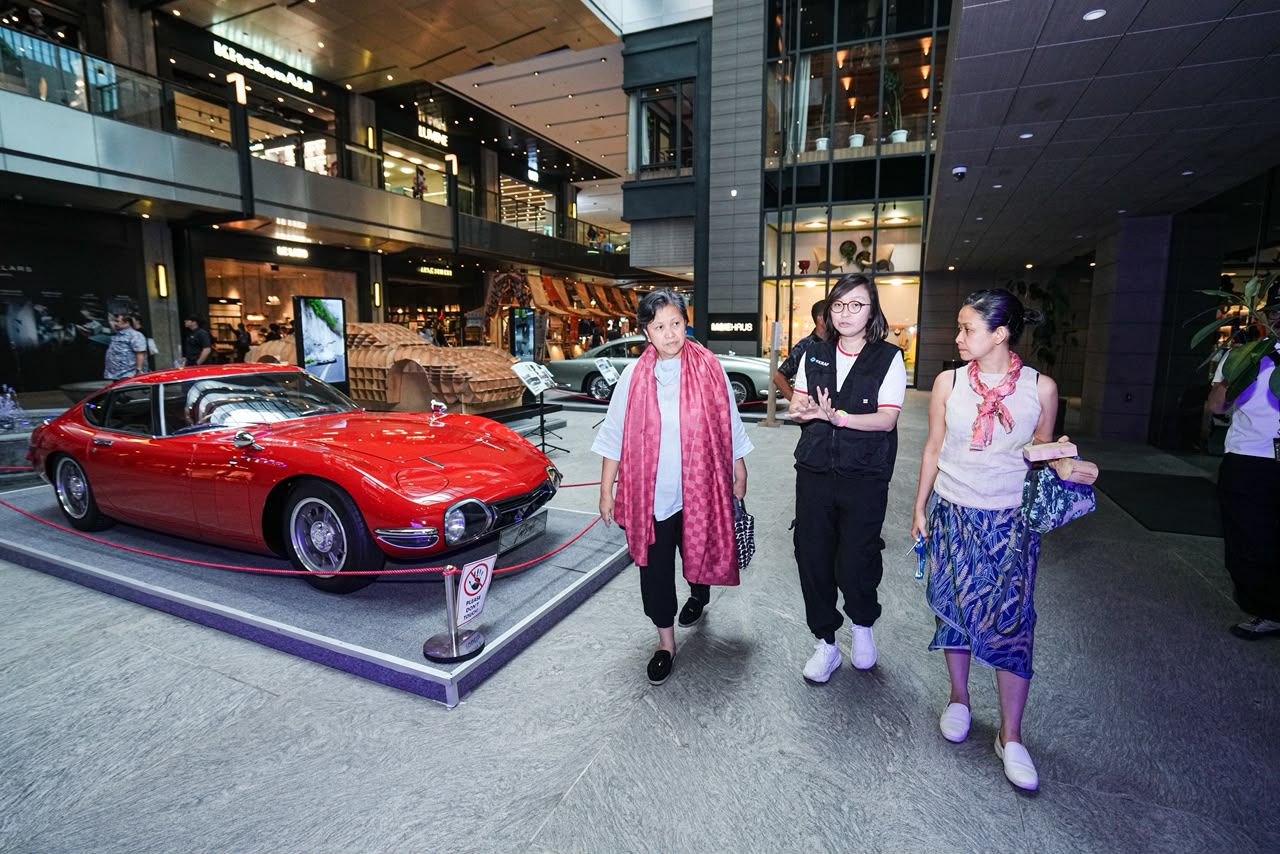 Deputy Minister of Creative Economy/Deputy Head of the Creative Economy Agency (Ekraf), Irene Umar, directly reviewed three points of the Creativillage event in the series of WCCE 2026. Jakarta, Sunday (25/10/2026).
“Indonesia’s position in the creative economy is very advantageous. In terms of creativity, local product production is already strong; we just need to seize the opportunity to look beyond the domestic market of Indonesia’s more than 280 million people and focus on the 8 billion people worldwide. Of course, we’ve invited the delegates from various countries to visit Creativillage, and they were very enthusiastic about the works on display,” explained the Deputy Minister of Creative Economy.
Creativillage showcases a variety of flagship products, including sustainable fashion, crafts, interior design, furniture, culinary offerings, architecture, visual communication design, and automotive customization. More than just an exhibition, this event serves as a business networking platform connecting national creative economy practitioners with buyers, investors, and foreign delegations. To maximize economic impact, the Ministry of Creative Economy also facilitates business-to-business (B2B) matchmaking sessions to promote the creation of quality jobs and open concrete export opportunities.
“The development of the creative economy requires hexahelix collaboration across ministries, creative economy advocates, communities, the media, academics, financial institutions, and other strategic partners—all of whom embody Indonesia’s spirit of mutual cooperation. “In fact, many local products have already been showcased at Creativillage and have reached the global stage. It is time for Indonesia’s creative products, which hold great potential, to continue being developed through international networks and collaboration,” added the Deputy Minister of Creative Economy.
During a visit to Ashta District 8, Deputy Minister of Human Rights (Wamen HAM) Mugiyanto Sipin also expressed his appreciation for the diversity of works and skills demonstrated by Indonesia’s creative economy practitioners. Mugiyanto highlighted the importance of recognizing the artistic value, craftsmanship, and creative process embodied in handicraft products, particularly Jepara woodcarvings.
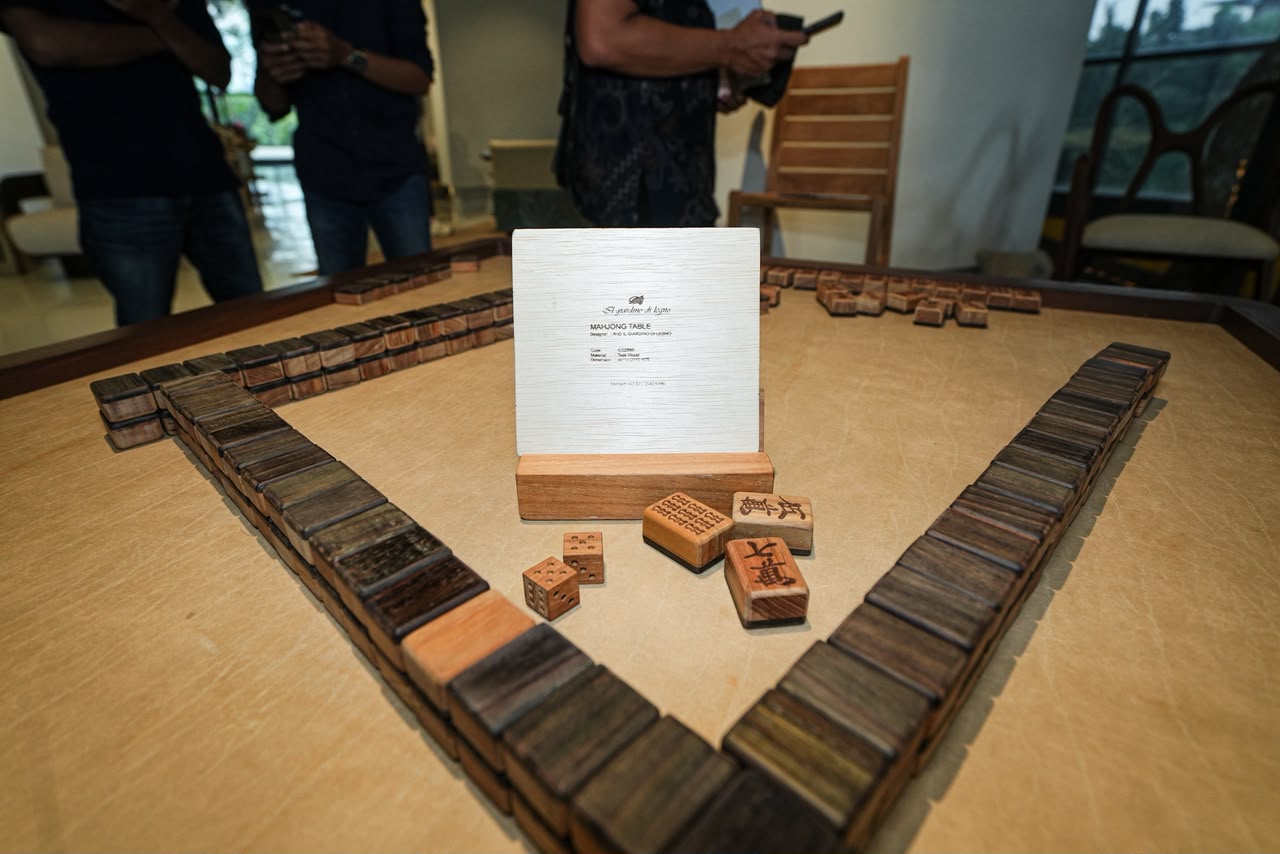 Doc. Communication Bureau of the Ministry of Creative Economy/Creative Economy Agency.
“When we look at carvings, the artisans are clearly artists. They should be recognized as artists, not just day laborers. Support for artists and artisans across various regions remains essential so that local works are increasingly valued and can compete with products from other countries,” said Mugiyanto Sipin.
At Ashta District 8, Creativillage features a bamboo-based Art Installation Area showcasing weavers from NTT; an automotive showcase of modified vehicles; design products demonstrating the innovative capabilities of Indonesia’s creative economy pioneers, presented by ADGI Design Week; a costume showcase from the Sabang Merauke Festival; and curated architecture and design products from the Indonesia Design District (IDD).
Meanwhile, at MGP Space, there are collaborative partners from various creative economy subsectors, such as Grab, Indosat, Machine56, Pertamina, Radical Academy, Shopee, Tencent, Unipin, WeTV, and Visinema. In the SCBD Weekland area, visitors can discover various brands and vendors from across the country offering fashion items, accessories, handicrafts, and culinary delights. The presence of these creative economy pioneers highlights the vast potential of Indonesia’s creative economy while opening up opportunities for promotion and direct transactions with consumers. In addition to the “creative market” activations, visitors can also enjoy “street fashion shows,” “community activities,” “food and beverage bazaars,” and “music and performances.”
One of the brands participating in SCBD Weekland, Prasojo by Rani Indonesia, features lurik-inspired fashion products and a “patchwork” collection developed with a modern design approach. The brand’s designer representative, Ciki, explained that the collection’s concept was tailored to the event’s theme to create a memorable experience for the audience.
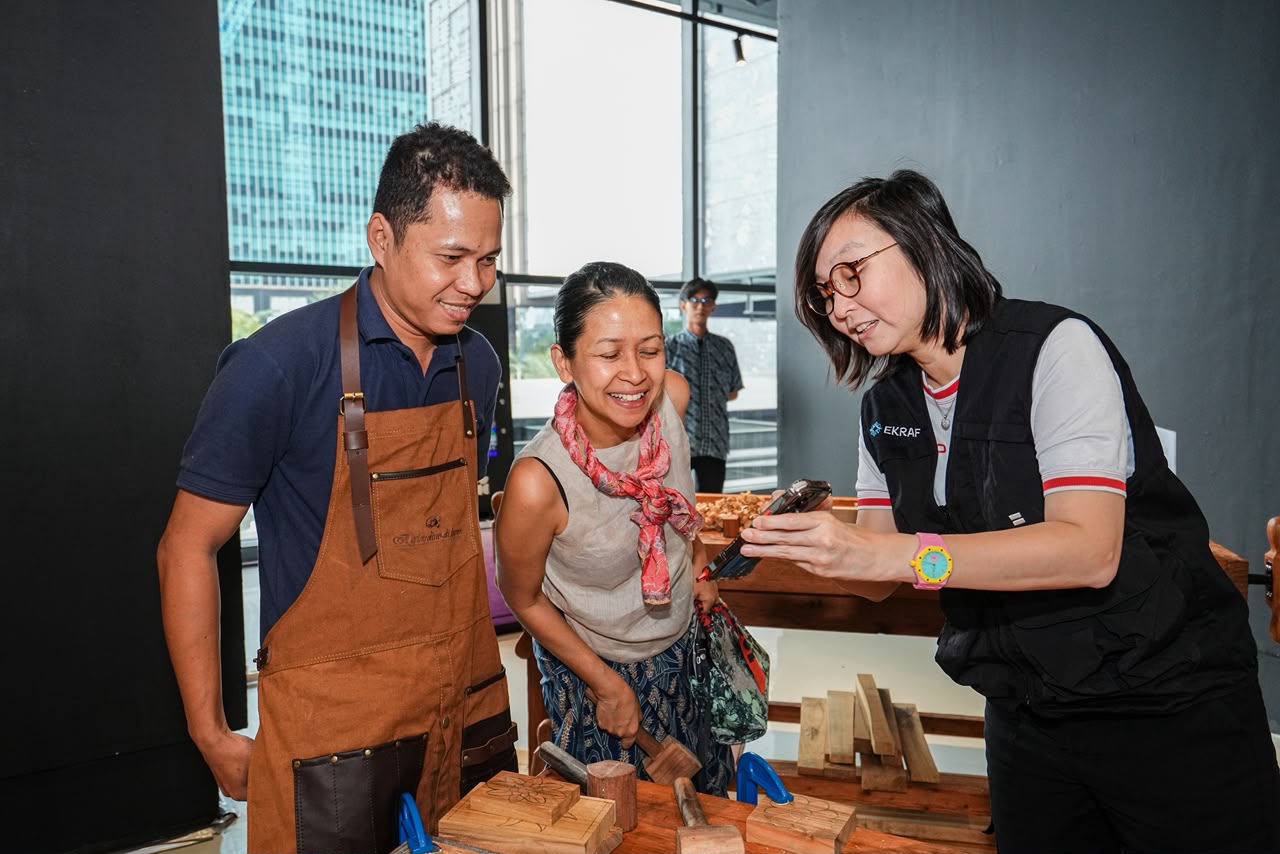 Doc. Communication Bureau of the Ministry of Creative Economy/Creative Economy Agency.
“From Klaten, we brought unique patchwork fashion products. Many of our premium patchwork items received positive feedback from Creativillage visitors. This shows that interest in sustainable fashion is growing,” said Ciki.
The review of Creativillage at these three locations underscores the importance of providing promotional spaces that connect creativity with business opportunities. Through ongoing support, network strengthening, and cross-sector collaboration, local brands are expected to enhance their competitiveness, expand their market reach, and bring Indonesia’s cultural identity and richness to the global stage. WCCE 2026 serves as a catalyst to strengthen the position of Indonesia’s creative economy as one of the drivers of inclusive and sustainable national economic growth.
Kiagoos Irvan Faisal
Head of the Communications Bureau
Ministry of Creative Economy/Creative Economy Agency