Jakarta, October 30, 2026 – The Ministry of Creative Economy/Creative Economy Agency (Ekraf) has begun exploring a strategic collaboration with the Muna Regency Government to transform the Liangkobhori Prehistoric Cultural Heritage area into a driver of community-based regional economic growth. This collaborative effort integrates intellectual property (IP) development, the Creative Village program, and the application of digital technology to transform the prehistoric rock art site into a high-value economic asset.
 Minister of Creative Economy/Head of the Creative Economy Agency Teuku Riefky Harsya received an audience with the Regent of Muna at the Creative Economy office in Jakarta, Friday (30/10/2026).
"The creative economy is a new engine of national economic growth that starts from the regions, so the Ministry of Creative Economy and Regional Governments must collaborate and coordinate the potential of each subsector to have a real impact. Muna Regency has the opportunity to enter our three main programs: Creative Village, Creative Hub , and Creative by Indonesia to boost local potential to become national and global champions. We will study Muna's potential in the relevant directorates so that assets such as cave paintings do not stop inside the caves, but are transformed into fashion products that drive the local economy," said Minister of Creative Economy, Teuku Riefky Harsya, at the Ministry of Creative Economy Office, Friday (30/10).
In this audience, the Muna Regency Government brought four priority proposals including the utilization and protection of Liangkobhori cave painting visual motifs as communal intellectual property in the fashion and craft sub-sector through digitalization as well as proposals for mentoring and facilitating Liangkobhori Village to be included in the Ministry of Creative Economy's Creative Village network. In addition, there is also strengthening of digital education facilities based on Virtual Reality (VR)/Augmented Reality (AR) to minimize damage to cave walls for tourists as well as support for mentoring and promotion of the Liangkobhori Festival in the national event agenda held every July 11-14.
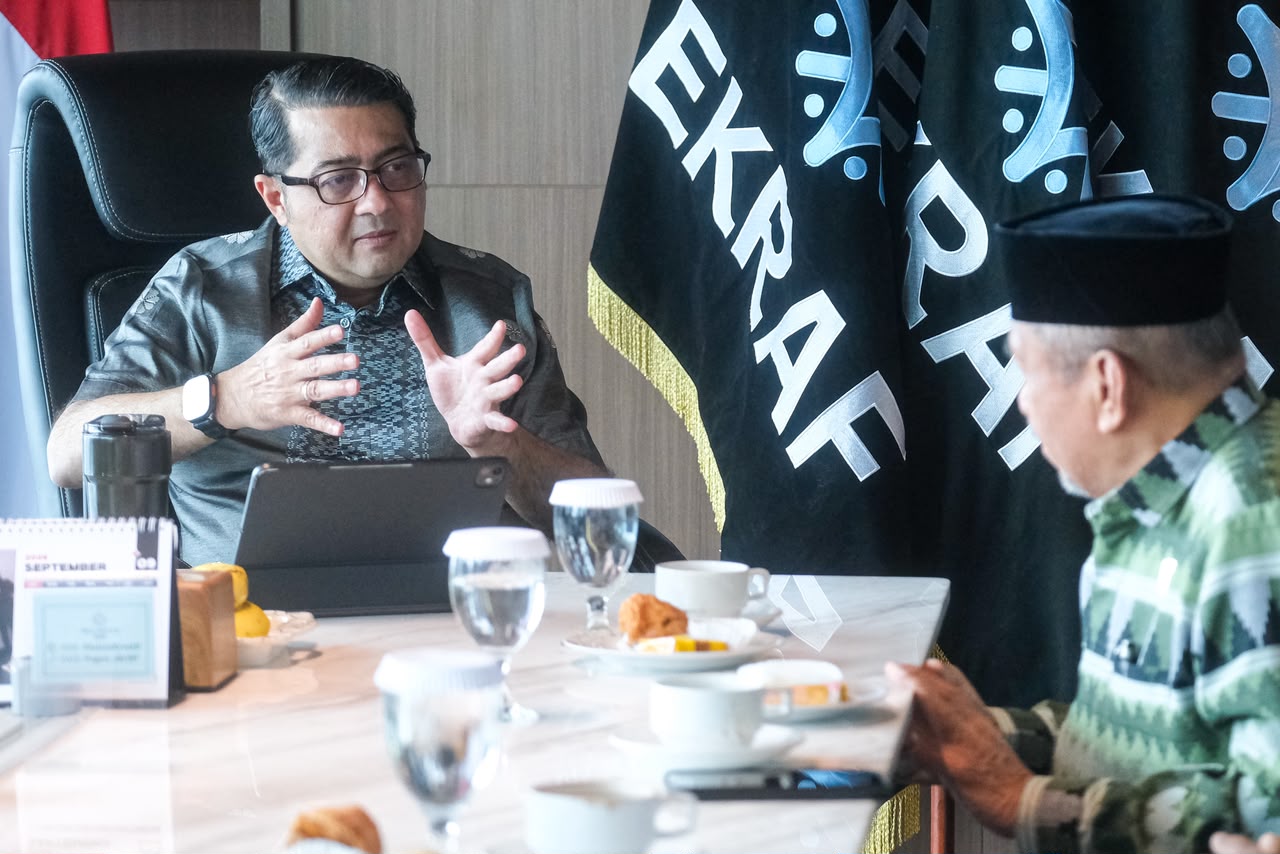 Doc. Communication Bureau of the Ministry of Creative Economy/Creative Economy Agency
In response, the Minister of Creative Economy explained that the creative economy sector's contribution to the national Gross Domestic Product (GDP) has reached 7.38 percent, employing 27.4 million people. Interestingly, the demographic structure of creative economy workers is dominated by Generation Z and Millennials, at 63 percent, and 58 percent are women.
"To optimize this enormous potential, the primary step lies with local governments. Please collect data and map all existing creative economy potential. Once the village profile is clear, from weaving artisans to other potentials, and its Creative Village status is officially established, the central government can more easily intervene, design program activations, and accelerate local creations to a higher level," the Minister of Creative Economy emphasized.
 Doc. Communication Bureau of the Ministry of Creative Economy/Creative Economy Agency
Meanwhile, Muna Regent H. Bachrun expressed his high hopes that the annual Liangkobhori Festival, which will enter its fourth year in 2026, will retain a strong cultural appeal through explorations of historical sites, traditional game competitions, and local art performances.
"Thank you for this excellent reception and discussion space. This meeting opened our eyes to the vast opportunities and potential of the creative economy in Muna Regency, which we can collaborate on with the Ministry of Creative Economy. As a concrete next step, we will immediately coordinate and map out a list of potential areas in each village to promote together," said H. Bachrun.
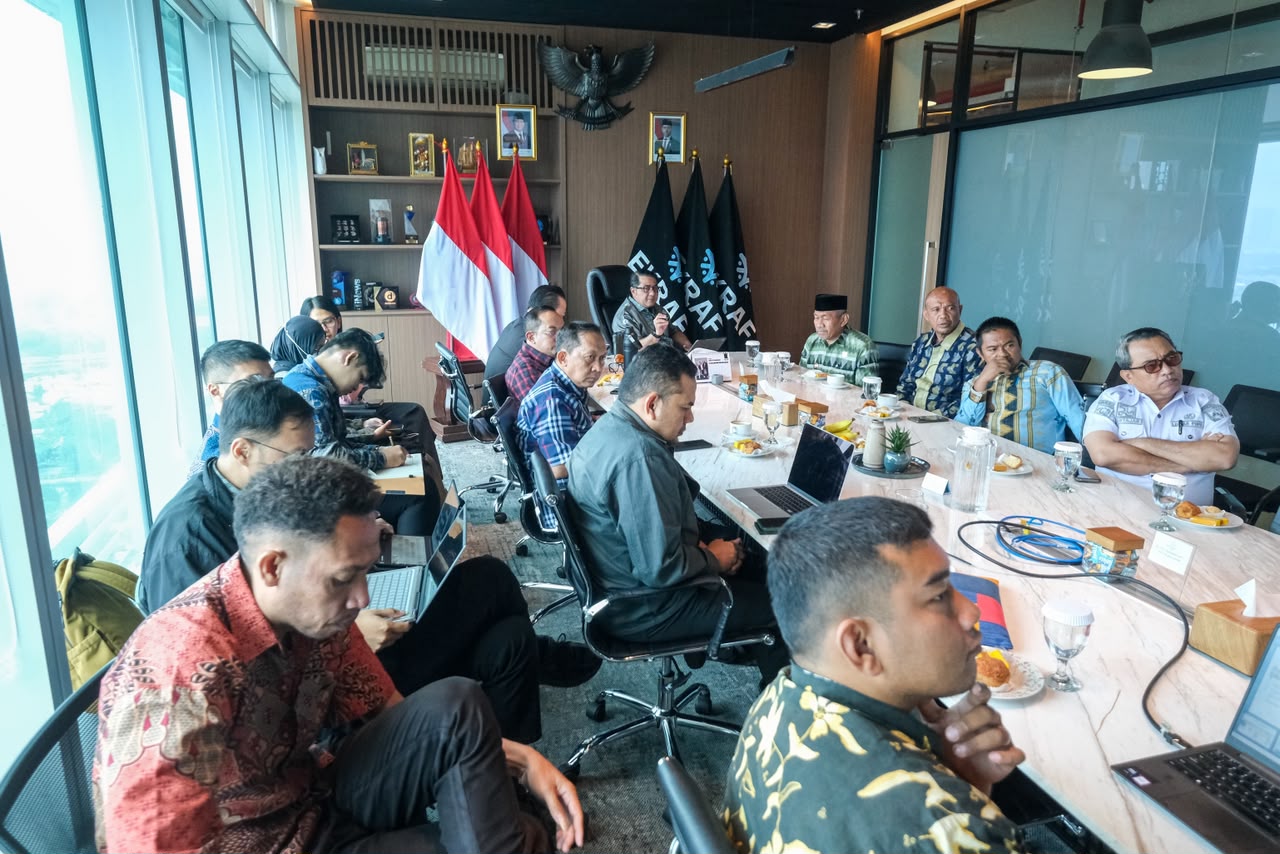 Doc. Communication Bureau of the Ministry of Creative Economy/Creative Economy Agency
Through this collaborative exploration, the Ministry of Creative Economy hopes that each region can optimize local strengths as a source of inclusive and sustainable economic growth. Strengthening the regionally-based creative economy ecosystem is a strategic step to open business opportunities, create quality jobs, increase the added value of local products, and elevate more Indonesian creative economy activists.
During the audience, the Minister of Creative Economy was accompanied by Rian Firmansyah, the Minister's Special Staff for Strategic and Inter-Agency Issues; Muhammad Fauzy, Director of Intellectual Property Facilitation Development; Fahmy Akmal, Director of Infrastructure Facilitation; and Panji Purboyo, the Minister's Expert Staff for Protocol and Regional Coordination.
Kiagoos Irvan Faisal
Head of Communication Bureau
Ministry of Creative Economy/Creative Economy Agency