
Jakarta, June 8, 2026 – The Government has officially enacted Government Regulation (PP) No. 20 of 2026 on Adjustments to Income Tax Regulations, revising Government Regulation No. 55 of 2022. One of the key changes introduced by the new regulation is the reaffirmation of which taxpayers are eligible to benefit from the 0.5% Final Income Tax (PPh) facility, commonly known as the special tax rate for micro, small, and medium enterprises (MSMEs).
 Minister of Creative Economy Teuku Riefky Harsya and Deputy Minister of Creative Economy Irene Umar attended a working meeting and conveyed the Ministry of Creative Economy’s readiness to facilitate the aspirations of creative economy stakeholders regarding Government Regulation No. 20/2026 at the House of Representatives (DPR) Building in Senayan, Jakarta, on Tuesday (June 2, 2026).
Under PP No. 20/2026, the 0.5% Final Income Tax facility is prioritized for individual taxpayers, sole-shareholder limited liability companies established by a single individual, and cooperatives with annual revenues not exceeding IDR 4.8 billion. Business entities such as limited partnerships (CV), partnerships (firma), non-individual limited liability companies (PT), and village-owned enterprises (BUMDes) are no longer eligible for this scheme. However, for such entities with revenues below IDR 4.8 billion, the Government continues to provide an incentive in the form of a 50% reduction of the standard corporate income tax rate of 22%, resulting in an effective tax rate of 11%.
"The MSME Final Income Tax rate remains at 0.5%, and there has been no increase. PP No. 20/2026 prioritizes this facility for those who genuinely meet the MSME criteria while providing greater legal certainty for all taxpayers," emphasized Maman Abdurrahman, Minister of Micro, Small, and Medium Enterprises.
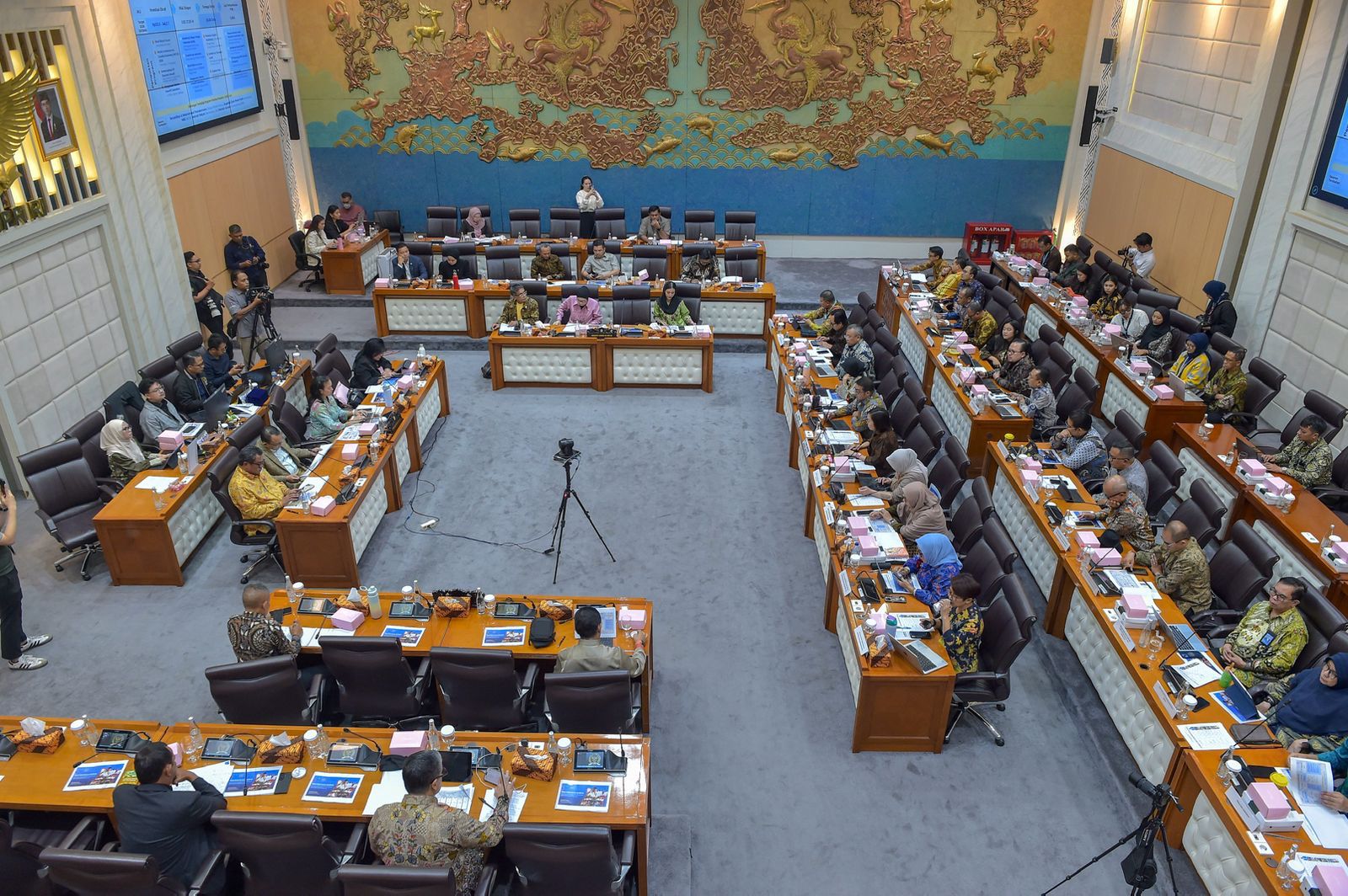 Doc. Bureau for Communication of the Ministry of Creative Economy / Creative Economy Agency.
Government Regulation No. 20 of 2026 also clarifies the types of income that are not eligible for the 0.5% Final Income Tax facility for MSMEs, including income derived from independent professional services. This provision covers several professions, including digital content creators such as influencers, Instagram content creators, bloggers, vloggers, and other similar professions.
Responding to the potential impact of this regulation on the creative economy community, Minister of Creative Economy Teuku Riefky Harsya stated that the Ministry would gather input from associations across various creative economy subsectors before conveying the concerns and aspirations of creative economy stakeholders to the relevant ministries.
"We will engage in discussions with the creative economy ecosystem to better understand the impact of this policy. The feedback gathered will serve as a basis for coordination with the Ministry of Finance, enabling us to provide a more comprehensive response," said Teuku Riefky on Tuesday (June 2).
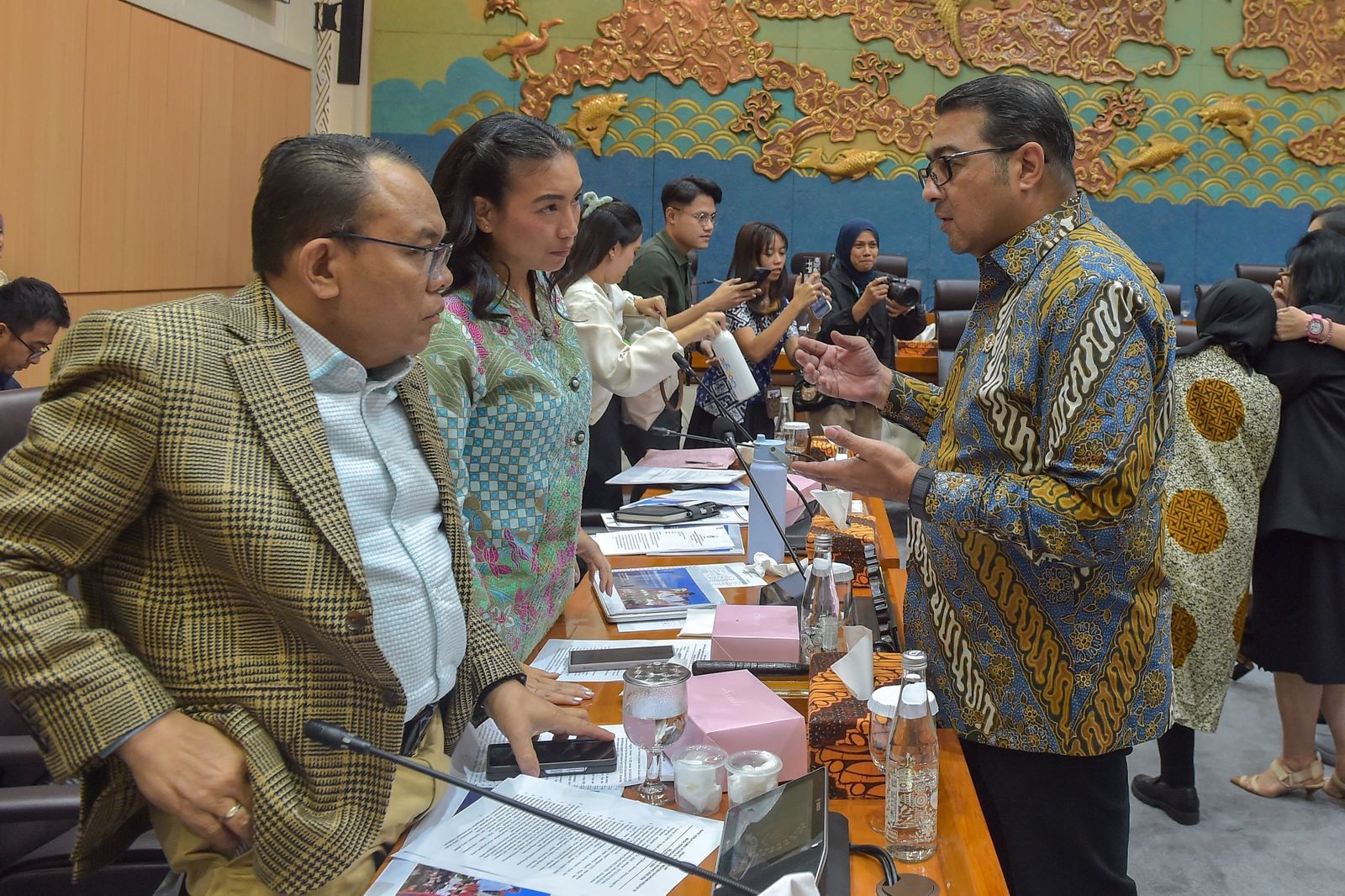 Doc. Bureau for Communication of the Ministry of Creative Economy / Creative Economy Agency.
The Government emphasized that this regulation forms part of broader efforts to establish a fair and equitable taxation system while continuing to take into account the interests of all business actors, including those operating within the creative economy sector.
Kiagoos Irvan Faisal
Head of Bureau for Communication
Ministry of Creative Economy / Creative Economy Agency


