Jakarta, August 10, 2026 – Deputy Minister of Creative Economy/Deputy Head of the Creative Economy Agency (Ekraf), Irene Umar, received an audience with Folkacommunal, a platform that connects local brands and creative economy players with consumers through various online and offline experiences. The meeting was part of the government's efforts to strengthen the ecosystem of the design, fashion, and crafts subsectors through community-based initiatives.
 Deputy Minister of Creative Economy/Deputy Head of the Creative Economy Agency (Ekraf), Irene Umar (right), engages in a dialogue with CEO and Founder of PT Folkacommunal Kreasi Sukaria, Sara Tobing (left), during a meeting with Folkacommunal at the Ministry of Creative Economy Office, Jakarta, Monday (August 10, 2026).
During the meeting, the Deputy Minister of Creative Economy expressed her appreciation for Folkacommunal's plan to organize three community-based fashion events in Indonesia, Malaysia, and Singapore. The series will begin with Pesta Folka on August 29–30 in Jakarta, followed by Pesta Folka on October 23–25 in Singapore and Sukaria Market on October 23–25 in Malaysia.
“This requires collaboration with the Indonesian Embassies in Malaysia and Singapore, as well as with the media, students, and existing communities. Cooperation is key. We need to raise public awareness so that our market is not limited to Indonesia but also extends to Singapore and Malaysia,” said Irene at the Ministry of Creative Economy, Jakarta, Monday (10/8).
The Deputy Minister of Creative Economy also highlighted the importance of telling the story behind the intellectual property (IP) of the events as well as the products featured.
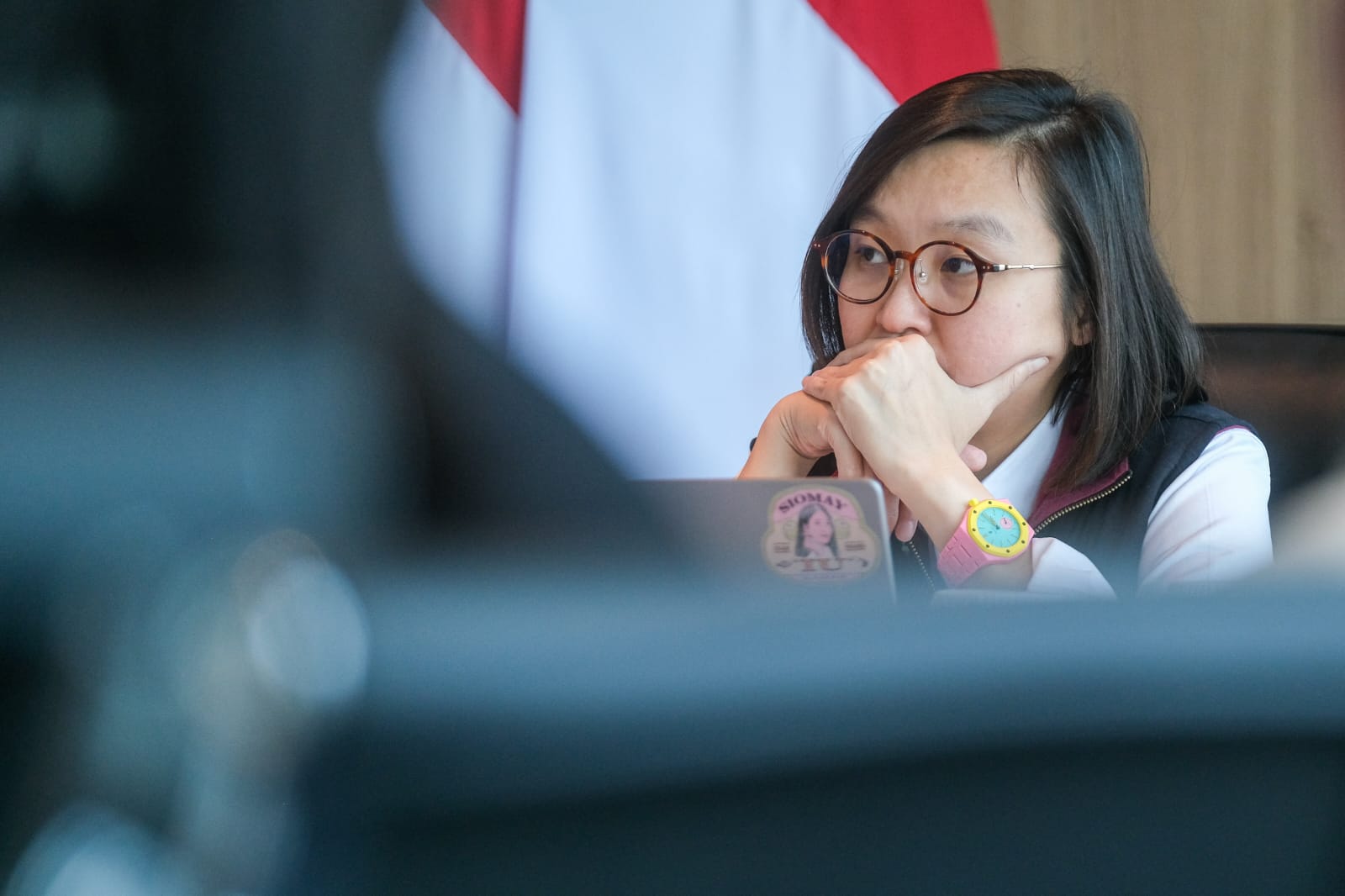 Documentation: Bureau for Communication, Ministry of Creative Economy / Creative Economy Agency.
Pesta Folka is a festival that celebrates the spirit and culture of the Indonesian archipelago through a fresher and more relevant concept for younger generations. Sukaria Market, meanwhile, combines local brands, creative activities, and thematic experiences designed to attract young audiences, particularly Generation Z.
“If cosplay comes from Japan, for example, we could create something like Kebaya Play or whatever name you choose. Tell the story of the kebaya and what it represents. This is good because it gives people who want to dress up a community-based space. People need that. When a community is already strong, that becomes an important value for an event,” she explained.
 Documentation: Bureau for Communication, Ministry of Creative Economy / Creative Economy Agency.
Meanwhile, CEO and Founder of PT Folkacommunal Kreasi Sukaria, Sara Tobing, said that through cross-border collaboration, market expansion, and strategic partnerships, Folkacommunal aims to create new opportunities for local brands while contributing to the growth of Indonesia’s creative economy.
“Every time we organize an event, we make sure there is something that sets it apart because we want people to come and experience something new. That is why we have three principles: feel, experience, and connection, with three IPs: Sukaria Market, Pesta Folka, and Trinkieland. We also want to introduce Indonesian traditional textiles, such as the kebaya, to Gen Z and help them find styles that suit them. We want them to feel confident wearing Indonesian traditional textiles. And this year, we are trying to go international,” she said.
 Documentation: Bureau for Communication, Ministry of Creative Economy / Creative Economy Agency.
During the meeting, the Deputy Minister of Creative Economy was accompanied by Director of Architecture and Design at the Ministry of Creative Economy, Sabar Norma Megawati Panjaitan.
Kiagoos Irvan Faisal
Head of Bureau for Communication
Ministry of Creative Economy / Creative Economy Agency