Jakarta, October 17, 2026 – Indonesia is preparing to host the World Conference on Creative Economy (WCCE) 2026, an international creative economy conference scheduled to take place in Jakarta on October 21–23, 2026. As the conference enters its fifth edition, WCCE 2026 represents a strategic opportunity for Indonesia to strengthen its leadership in global creative economy diplomacy, expand market access for creative industry practitioners, and accelerate the development of the creative economy as an important contributor to the global development agenda following the conclusion of the Sustainable Development Goals (SDGs) in 2030.
 Through WCCE 2026, the Ministry of Creative Economy / Creative Economy Agency (Ekraf) seeks to ensure that the creative economy serves not only as a source of economic growth but also as part of the solution to global development challenges, Jakarta (17/10/2026).
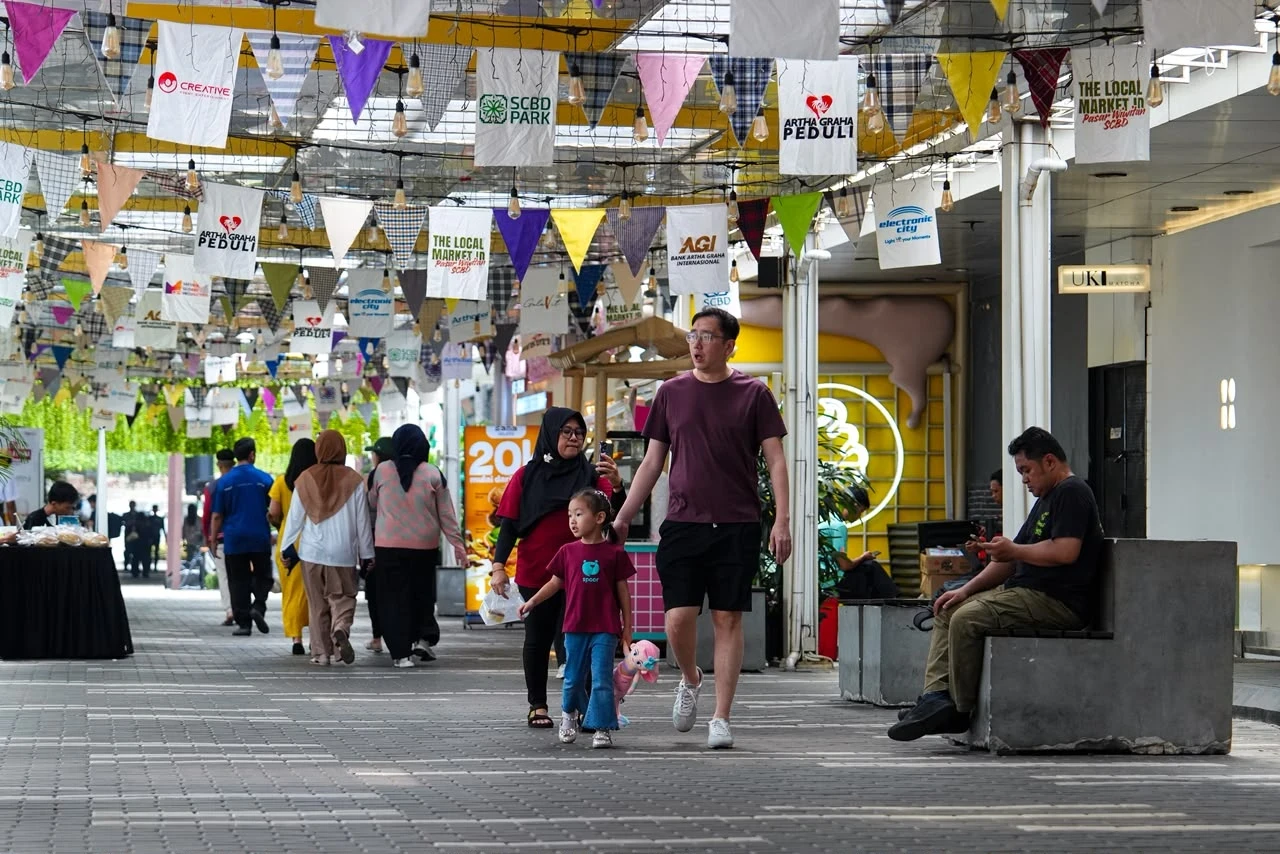
The selection of Jakarta as the host city reinforces WCCE’s relevance to the transformation of a metropolitan city into a global center of creativity and innovation. Jakarta has a strong identity shaped by its business ecosystem, culture, communities, and diverse creative industries. The development of pedestrian-friendly areas and integrated public transportation networks, including the Jakarta Mass Rapid Transit (MRT), Light Rail Transit (LRT), TransJakarta, and Electric Rail Train (KRL Commuter Line), provides an important foundation for supporting participant mobility while offering a more accessible urban experience.
Strategic locations such as Hotel Indonesia Kempinski, the conference venue, and Sudirman Central Business District (SCBD), where Creativillage activities will take place, benefit from intermodal connectivity and are increasingly evolving into vibrant public spaces. These areas create opportunities to bring together economic, cultural, and creative activities within metropolitan life. As Indonesia’s economic center and a city approaching its 500th anniversary, Jakarta has a competitive advantage as a creative hub, supported by a range of international-standard Meeting, Incentive, Convention, and Exhibition (MICE) facilities.
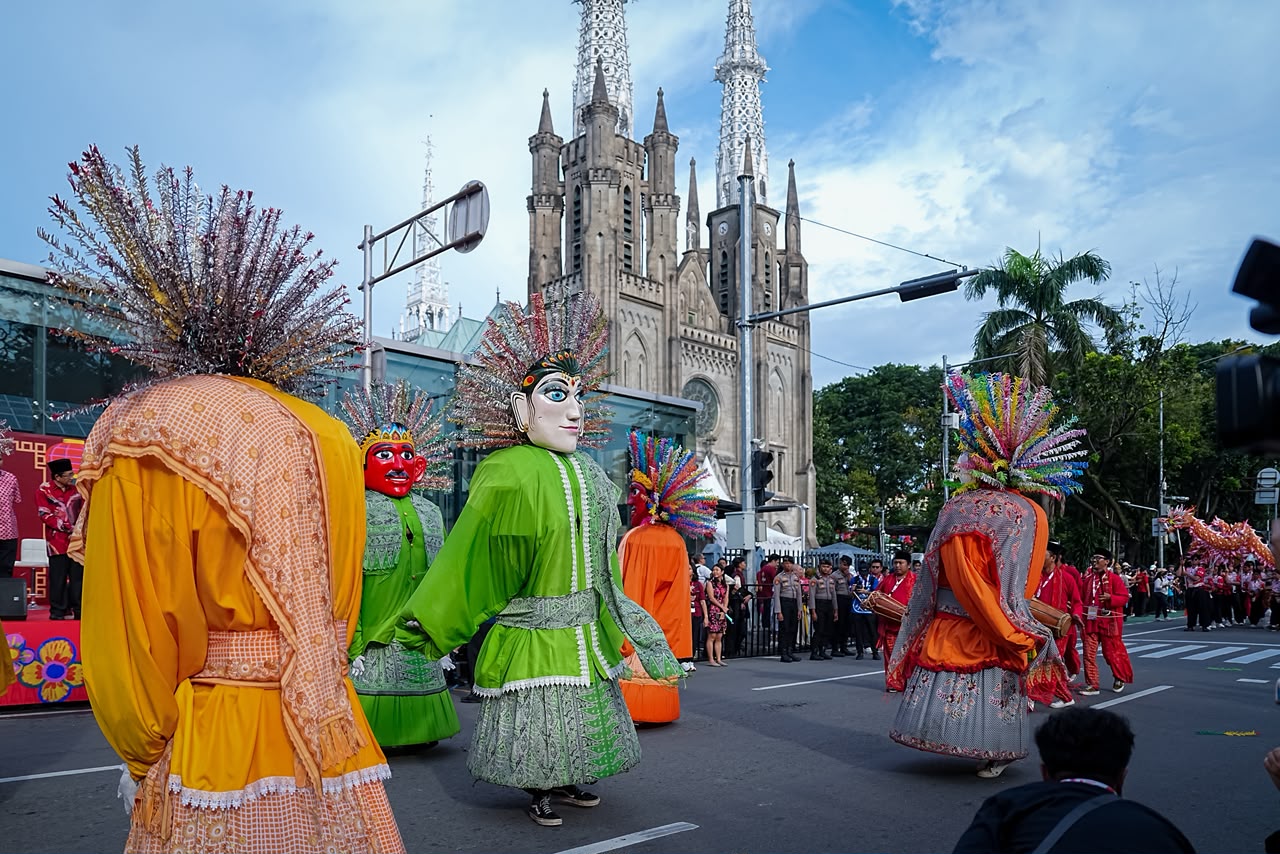 Photo: Bureau for Communication, Ministry of Creative Economy / Creative Economy Agency.
Minister of Creative Economy/Head of the Creative Economy Agency (Ekraf), Teuku Riefky Harsya, stated that Indonesia has strategic reasons for hosting WCCE once again. Indonesia initiated the conference when it was first held in Bali in 2018 and owns the intellectual property (IP) of the WCCE event. This track record is reinforced by the continuity of subsequent editions in Dubai, United Arab Emirates (UAE), in 2021; Bali, Indonesia, in 2022; and Tashkent, Uzbekistan, in 2024. WCCE has also contributed to the adoption of two United Nations (UN) resolutions on the creative economy in 2019 and 2023.
“Indonesia is hosting WCCE again because of its track record in initiating and developing this international forum into a platform for global creative economy diplomacy. We want to build on this contribution by bringing together governments, industry practitioners, investors, academics, communities, media, and international partners to strengthen the position of the creative economy within the global development agenda,” said the Minister.
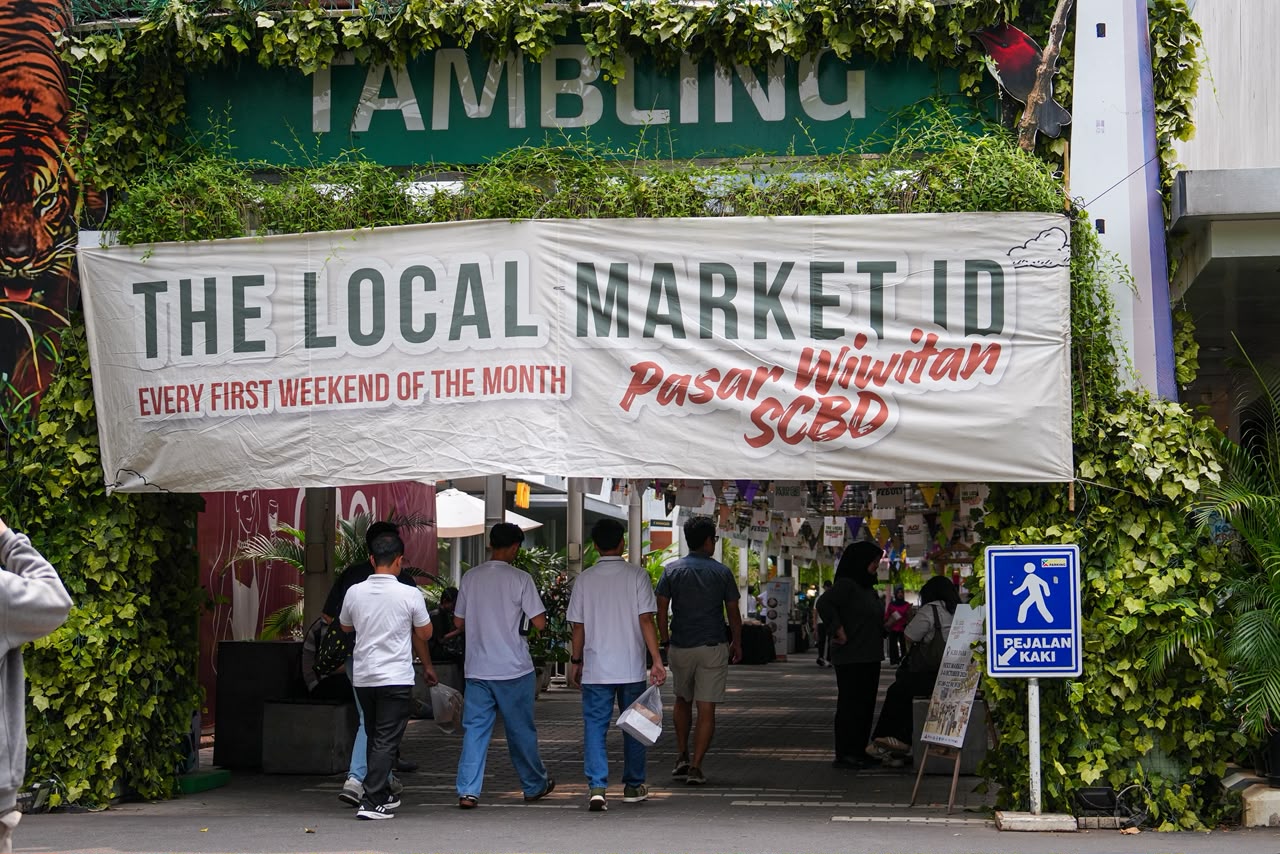 Photo: Bureau for Communication, Ministry of Creative Economy / Creative Economy Agency.
One of the key agendas of WCCE 2026 is the development of the Jakarta Vision on Creative Economy, a document expected to serve as a foundation for strengthening the global creative economy agenda after the SDGs conclude in 2030. The document will cover four main pillars: technology, artificial intelligence (AI), and digital transformation; sustainability, the circular economy, and regenerative design; intellectual property and the rights of creative workers; and inclusivity, creative ecosystems, and community empowerment.
“Through the Jakarta Vision on Creative Economy, we want to ensure that the creative economy is not only a source of economic growth but also part of the solution to global development challenges. WCCE 2026 must deliver concrete follow-up actions, ranging from strengthening international networks and investment opportunities to expanding market access and commercializing intellectual property for Indonesian creative economy practitioners,” the Minister added.
 Photo: Bureau for Communication, Ministry of Creative Economy / Creative Economy Agency.
Jakarta Governor Pramono Anung welcomed the organization of WCCE 2026, describing the international forum as an opportunity to strengthen Jakarta’s position within the global network of creative cities.
“The creative economy has become an engine of growth for cities. We hope that bringing together governors and mayors from cities around the world, such as Busan, will add value to WCCE through the exchange of experiences and best practices in developing the creative economy at the urban level,” said Pramono Anung.
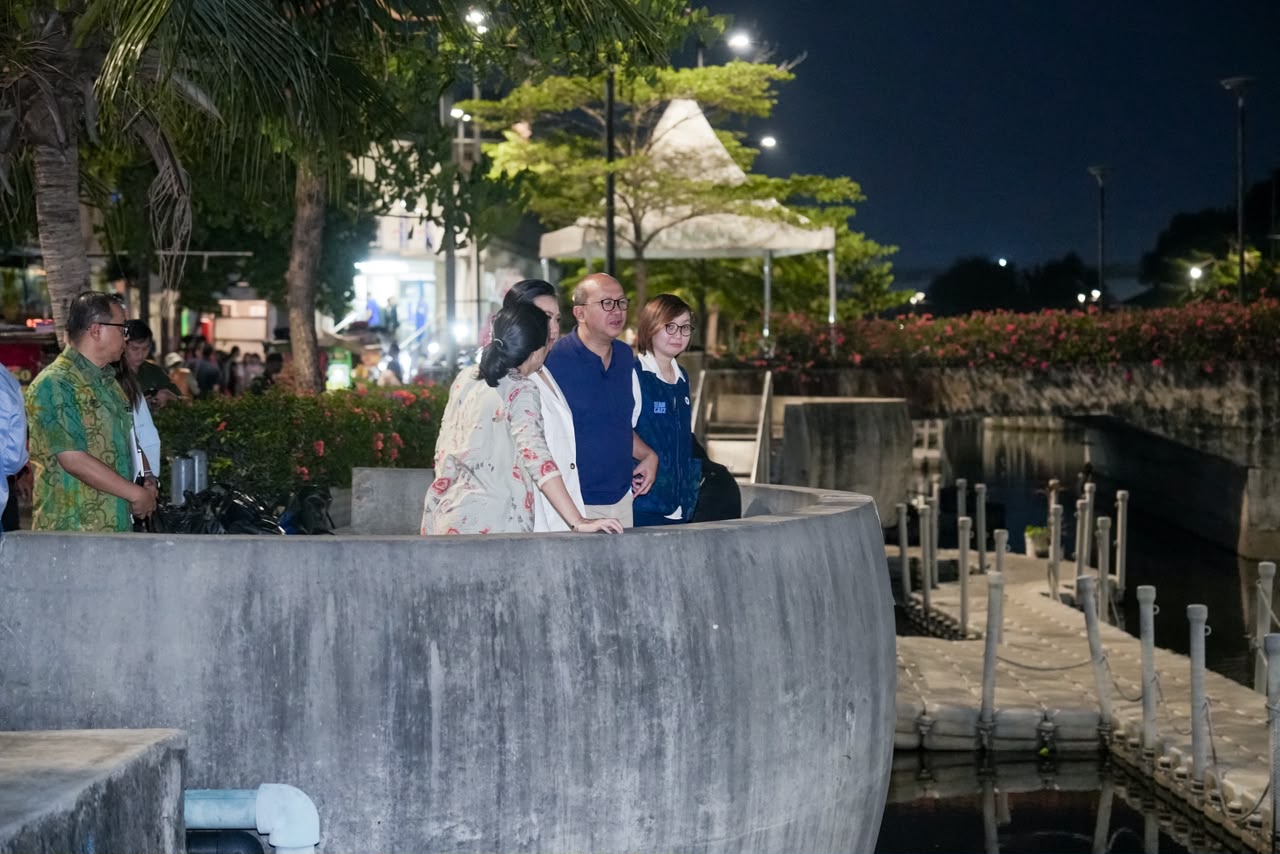 Photo: Bureau for Communication, Ministry of Creative Economy / Creative Economy Agency.
Various activities will bring together global stakeholders through plenary sessions, ministerial meetings, bilateral meetings, and platforms for collaboration and the promotion of creative works. The accompanying Creativillage program is scheduled to run from October 21–25, 2026, giving the public and creative economy practitioners broader opportunities to discover, experience, and promote Indonesian creative products and works.
Five days ahead of WCCE 2026, 2,044 participants from 58 countries and seven international organizations had confirmed their attendance, with the number expected to continue increasing. Carrying the theme “Inclusively Creative: Collective Continuity,” WCCE 2026 underscores the urgency of inclusivity, collaboration, and sustainability in shaping the future of the creative economy.
 Photo: Bureau for Communication, Ministry of Creative Economy / Creative Economy Agency.
The Ministry of Creative Economy invites the media, industry practitioners, communities, business partners, and the public to take part in the WCCE 2026 momentum. The success of the conference will be measured not only by the smooth execution of the event but also by the partnerships, business opportunities, knowledge exchange, and policy initiatives that emerge from it. From Jakarta, Indonesia aims to demonstrate that creativity is a strategic force for building an inclusive, resilient, and globally competitive economic future.
Kiagoos Irvan Faisal
Head of Bureau for Communication
Ministry of Creative Economy / Creative Economy Agency