Jakarta, September 8, 2026 – The Ministry of Creative Economy / Creative Economy Agency (Ekraf) is accelerating efforts to strengthen the creative economy ecosystem at the regional level through the Dissemination of the Creative Economy Master Plan (Rindekraf) 2026–2045 and the World Conference on Creative Economy (WCCE). The strategic initiative was presented online by Minister of Creative Economy/Head of the Creative Economy Agency (Menekraf), Teuku Riefky Harsya, to representatives of Regional Governments (Pemda), Regional House of Representatives (DPRD), Regional Development Planning Agencies (Bappeda), and Regional Government Agencies (OPD) across Indonesia.
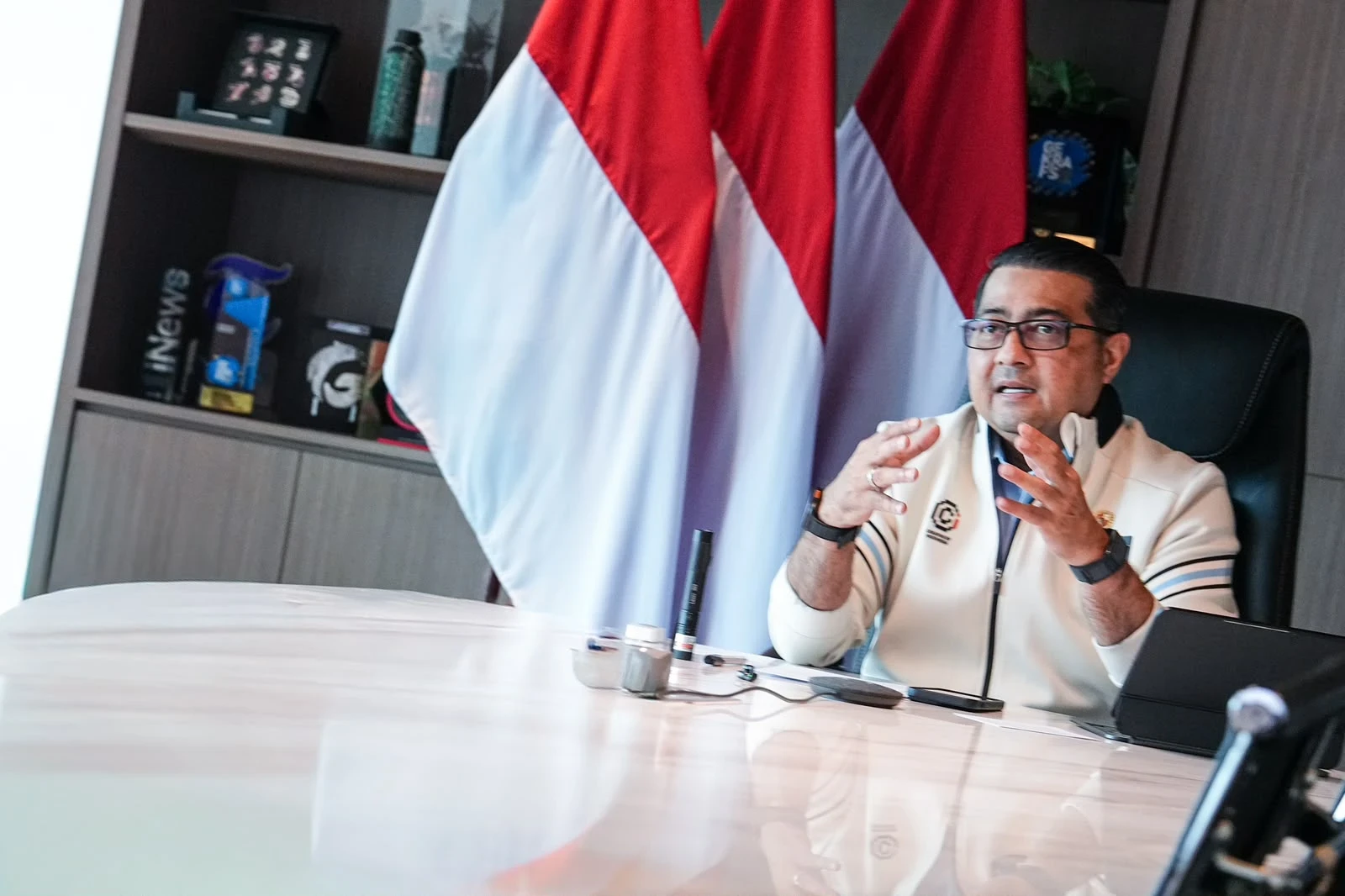
 The Ministry of Creative Economy / Creative Economy Agency (Ekraf) is accelerating efforts to strengthen the creative economy ecosystem at the regional level through the Dissemination of the Creative Economy Master Plan (Rindekraf) 2026–2045 and the World Conference on Creative Economy (WCCE). This strategic initiative was presented online by Minister of Creative Economy/Head of the Creative Economy Agency (Ekraf), Teuku Riefky Harsya, to representatives of Regional Governments (Pemda), Regional Legislative Councils (DPRD), Regional Development Planning Agencies (Bappeda), and Regional Government Organizations (OPD) across Indonesia at the Ministry of Creative Economy office in Jakarta, Tuesday (8/9/2026).
Opening his statement, Menekraf expressed his deep condolences over natural disasters that have occurred in several regions of Indonesia. He emphasized that the main strength of the national creative economy lies in the uniqueness of culture, local talent, and character that grows directly from the regions.
“Through Presidential Regulation Number 37 of 2026 concerning the Creative Economy Master Plan (Rindekraf) 2026–2045, we now have a shared direction for developing the creative economy in a more structured, measurable, and sustainable manner over the next 20 years. The spirit we want to promote is simple: to mobilize regional potential to accelerate the national creative economy,” said Teuku Riefky at the Ministry of Creative Economy office in Jakarta, Tuesday (8/9).
The formulation of Rindekraf was carried out through a participatory process with a Coordination Team involving 26 ministries/agencies and regional governments. The Coordinating Ministry leads the coordination efforts, while day-to-day implementation is carried out under the Ministry of Creative Economy together with the Ministry of National Development Planning/National Development Planning Agency (Kementerian PPN/Bappenas). This integration ensures that policy aspects related to Data and Research Development, Education and Training Development, Funding, Financing and Investment Facilitation, Infrastructure Provision, Marketing System Development, Incentives, Intellectual Property Facilitation, and Protection of Creative Outputs are implemented in alignment.
 Photo: Bureau for Communication, Ministry of Creative Economy / Creative Economy Agency.
The implementation of Rindekraf adopts a hexahelix approach that brings together collaboration among the government, business sector, academia, communities/associations, media, and financial institutions. This approach focuses on three main pillars: strengthening creative talent, increasing the competitiveness of creative economy businesses, and developing the creative economy from the regions.
To ensure that this policy delivers tangible impacts at the local level, the Ministry of Creative Economy has introduced several flagship programs, such as Creative Village Activation, Creative Hub, and Creative by Indonesia, to expand market access and connect regional potential to national and global markets. The acceleration of regional potential is realized through the designation of 47 Creative Districts/Cities (KaTa Kreatif) based on leading subsectors, seven of which have successfully joined the UNESCO Creative Cities Network (UCCN), demonstrating the high quality and global competitiveness of local creativity.
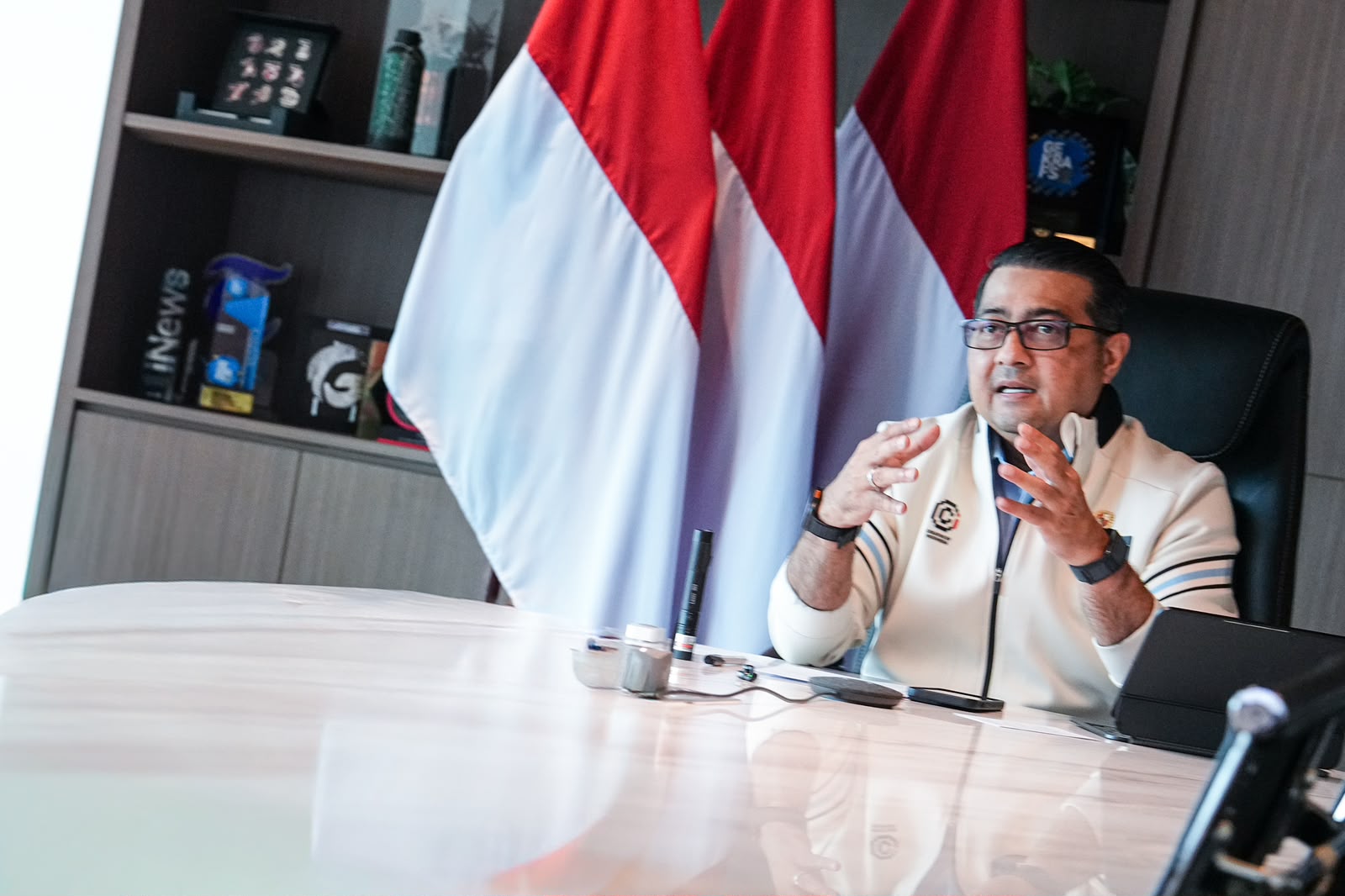 Photo: Bureau for Communication, Ministry of Creative Economy / Creative Economy Agency.
To ensure program consistency, the Ministry of Creative Economy is targeting the establishment of institutional representations for the creative economy in 31 provinces and 97 regencies/cities by the end of 2026, expanding from the current achievement of 14 provinces and 23 regencies/cities.
“Strengthening creative economy institutions through Regional Regulations and the establishment of dedicated agencies is very important as a strategic enabler. These measures provide a legal foundation, integrate the nomenclature into Regional Government Agencies or OPDs, bring services closer to creative economy players in the regions, and align Central Government programs, from flagship programs to creative economy diplomacy, with local potential. Through this integrated framework, creative economy programs can be implemented more effectively and have a direct impact on increasing Gross Regional Domestic Product or GRDP and generating tangible employment opportunities for communities,” added Menekraf.
The formulation of Rindekraf 2026–2045 is a strategic step to strengthen the creative economy ecosystem and establish it as a new engine of economic growth that starts from the regions. Menekraf emphasized that the commitment of Regional Governments is key to transforming Rindekraf 2026–2045 into concrete action within regional development planning documents.
“The creative economy has become a new engine of national economic growth. Let us transform the creative potential of the regions into added value that creates jobs, investment, exports, and economic growth. Rindekraf is the compass, the Central and Regional Governments are the orchestrators, and Creative Talent is the source of strength,” stressed Menekraf.
On the occasion, the Ministry of Creative Economy also presented preparations for the World Conference on Creative Economy (WCCE), themed Inclusively Creative: Collective Continuity, which will be held in Jakarta on October 21–23, 2026. The global forum, which is expected to attract more than 8,000 participants from 50 countries, aims to formulate the Jakarta Vision on Creative Economy as Indonesia’s tangible contribution to the global development agenda beyond the SDGs 2030. The WCCE 2026 series will feature the Friends of Creative Economy Meeting, Ministerial Meeting, Plenary Session, Creative Session, and Creativillage, followed by G2G, B2B, and G2B bilateral meetings, as well as business pitching, coaching sessions, workshops, and a creative dinner to expand global networks and opportunities for cooperation.
Kiagoos Irvan Faisal
Head of Bureau for Communication
Ministry of Creative Economy / Creative Economy Agency