Jakarta, October 7, 2026 – The Ministry of Creative Economy / Creative Economy Agency (Ekraf), through the Directorate of Fashion, is holding Fashion Business Management Training through Creative Hub Activation at UnionSPACE – Citi Hub Harton, North Jakarta, from October 7–10, 2026.
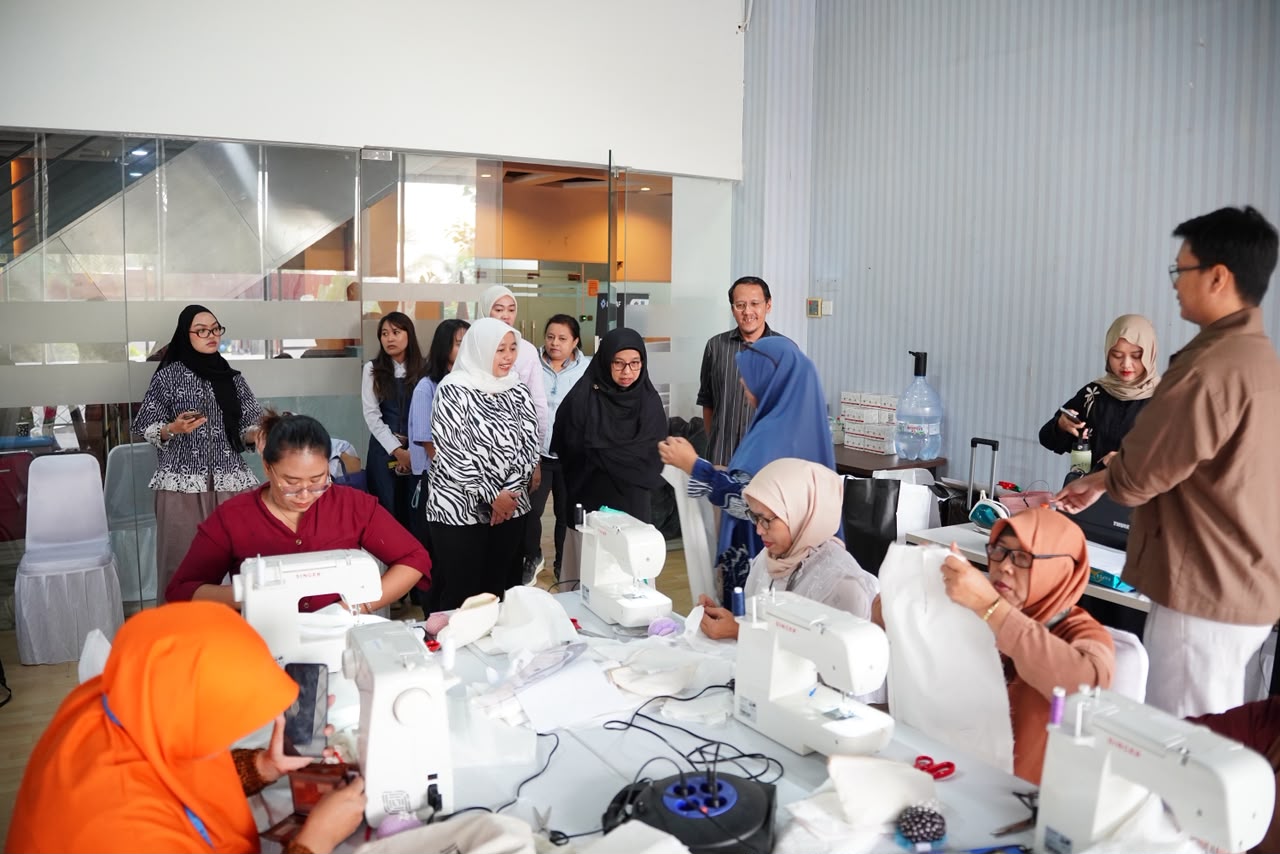 Deputy for Cultural and Design Creativity, Yuke Sri Rahayu, observes the implementation of Fashion Business Management Training through Creative Hub Activation at UnionSPACE – Citi Hub Harton, North Jakarta, held from October 7–10, 2026. The activity aims to strengthen the capacity of fashion practitioners, increase the added value of local products, and expand market access and business networks to the global level, Thursday (8/10/2026).
The activity is part of the Ministry’s flagship program, which aims to strengthen the capacity of the fashion subsector while optimizing creative spaces as platforms for learning, collaboration, and business development.
“The Ministry of Creative Economy is activating Creative Hubs for creative economy practitioners so they can receive training and mentoring to improve the capacity of value-added products and expand their networking opportunities. We hope that local products and local champions will gain acceptance in broader markets, from the national level to the global stage. The Ministry also aims to build the creative economy ecosystem through the fashion subsector as the new engine of growth, starting from the regions,” said Deputy for Cultural and Design Creativity Yuke Sri Rahayu.
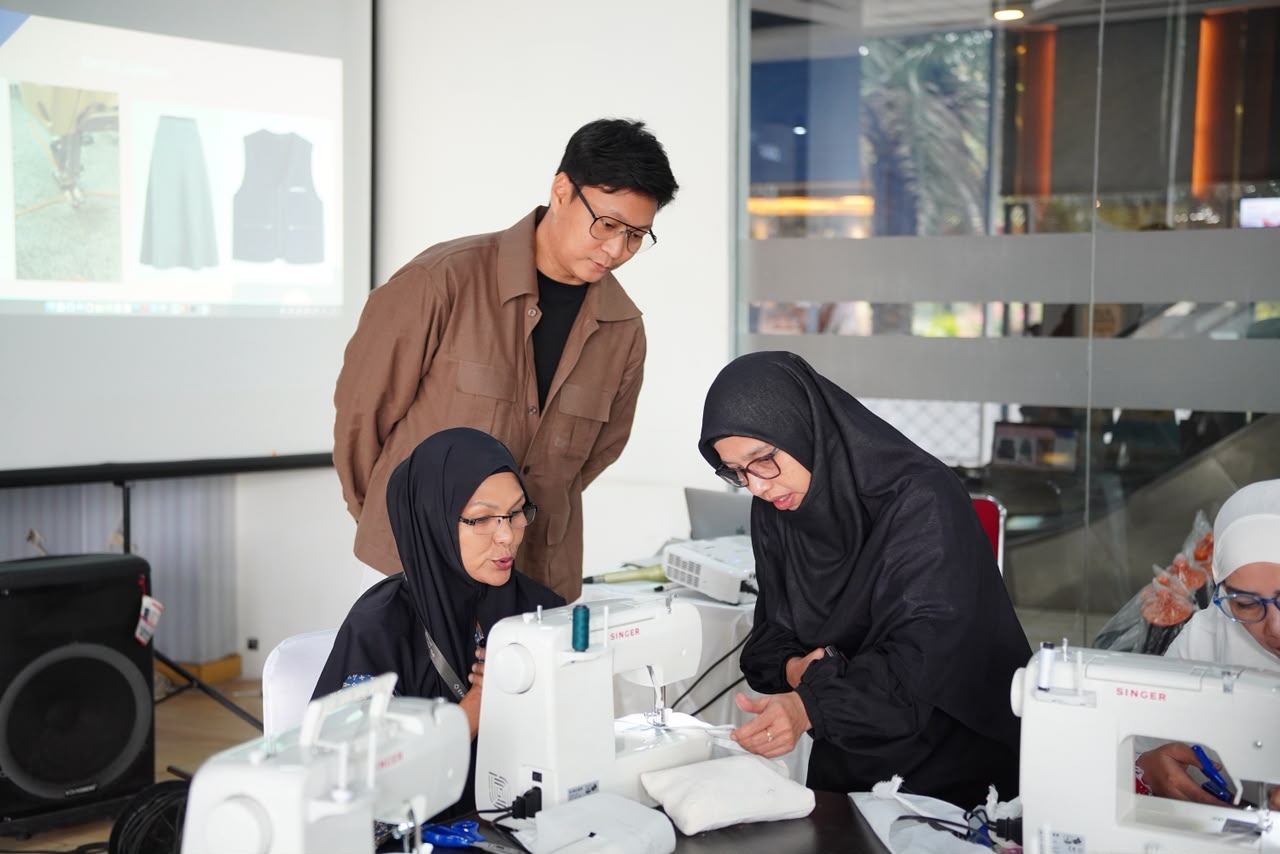 Photo: Bureau for Communication, Ministry of Creative Economy / Creative Economy Agency.
The fashion subsector requires not only technical skills but also the ability of practitioners to manage their businesses more professionally. In terms of international trade, the fashion subsector recorded export value of US$5.85 billion from January to April 2026, up from US$5.58 billion during the same period in 2025. This value accounted for approximately 58.55 percent of total creative economy exports, making fashion the subsector with the highest export value.
“The success of this program is measured not only by the completion of the activities but also by the extent to which participants can apply the knowledge and skills they acquire to improve product quality, strengthen business management, expand markets, and enhance competitiveness. Creative Hub Activation is expected to serve as a platform for interaction, collaboration, and economic value creation. Therefore, the Directorate of Fashion has designed a program that combines business management capacity building with competency-based skills development,” added Director of Fashion at the Ministry of Creative Economy, Iffah Sa’aidah, on Wednesday (7/10).
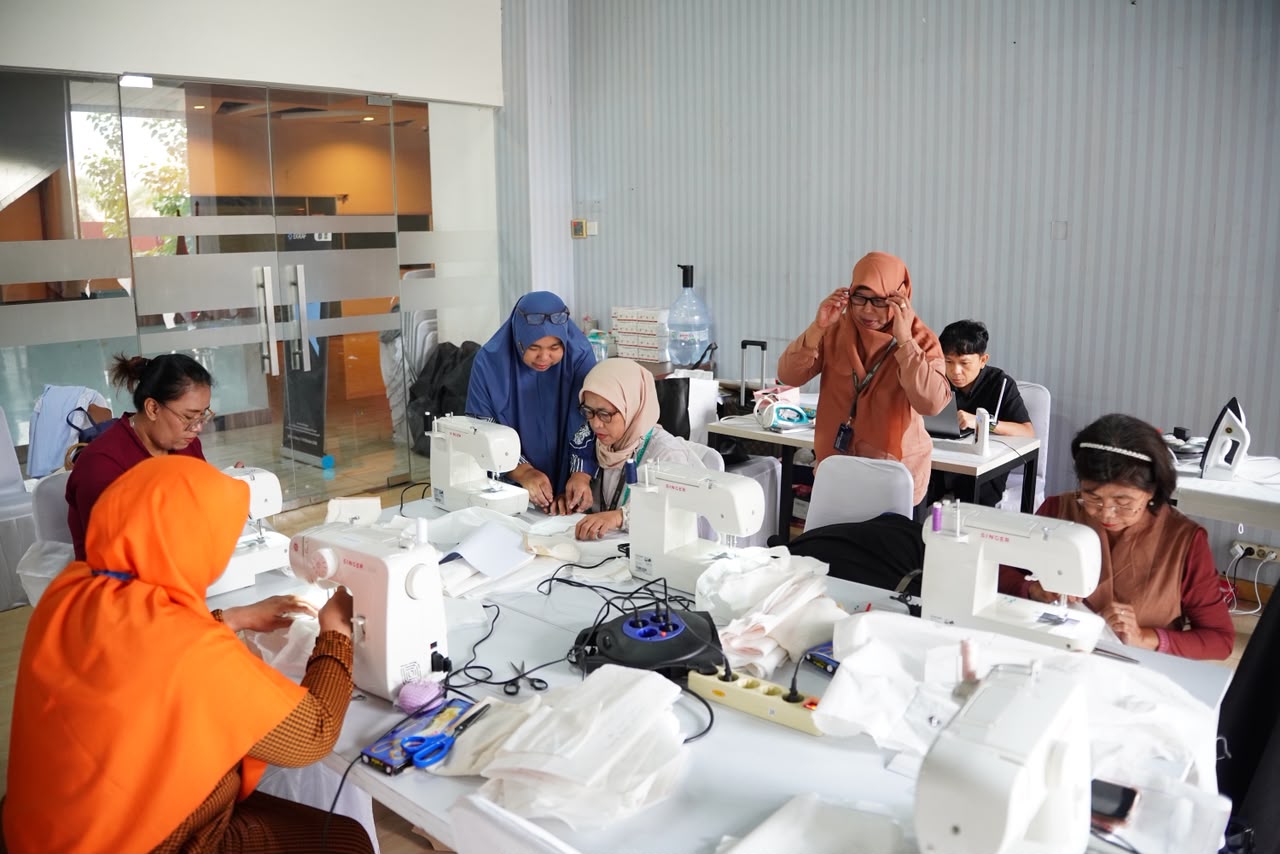 Photo: Bureau for Communication, Ministry of Creative Economy / Creative Economy Agency.
Head of the Tourism and Creative Economy Sub-agency of North Jakarta Administrative City, Restuning Dyah Widyanti, welcomed the program’s approach, which focuses not only on products but also on building the ecosystem behind a brand. She also noted that North Jakarta has significant potential to develop a competitive fashion ecosystem, while encouraging participants to use the training not only to gain new knowledge but also to create collaboration opportunities.
“The fashion subsector moves very quickly, with trends, consumer preferences, and purchasing behavior constantly changing. This is what makes it interesting, because success requires more than just the ability to create fashion products; it also requires building the ecosystem behind a brand. Some people have ideas and a vision, others translate them into designs, and others turn those designs into products. Everyone has a role to play, and they must be able to work together,” said Restuning Dyah Widyanti.
Creative Hub Activation for the fashion subsector is part of the Ministry of Creative Economy’s efforts to address the need to strengthen the capacity of fashion practitioners, given the subsector’s substantial contribution to the national economy. With a GDP of Rp259.56 trillion, 5.07 million workers, and export contributions accounting for more than half of total creative economy exports, strengthening business management, technical skills, product quality, and market access is essential to ensuring that Indonesia’s fashion potential continues to grow and becomes increasingly competitive in global markets.
 Photo: Bureau for Communication, Ministry of Creative Economy / Creative Economy Agency.
“Let us encourage more fashion brands from North Jakarta to grow, empower more creative workers, and bring more works from Jakarta to wider audiences. If Jakarta aspires to become a global city, its residents’ creative works must also have opportunities to be showcased and continue to collaborate. We wish you success in the training. Enjoy learning, discussing, and building networks,” said Restuning Dyah Widyanti.
The 2026 Fashion Creative Hub Activation Flagship Program is scheduled to continue in several regions, including South Tangerang, Banda Aceh, Aceh Besar, Batam, Padang, Yogyakarta, Banyuwangi, Malang, and Makassar through November 2026. The program is expected to activate creative spaces as dynamic, productive, collaborative environments that generate economic value, while strengthening regional fashion practitioners’ ability to improve quality, expand markets, and create employment opportunities.
Kiagoos Irvan Faisal
Head of Bureau for Communication
Ministry of Creative Economy / Creative Economy Agency