Jakarta, September 1, 2026 – The Ministry of Creative Economy/Creative Economy Agency (Ekraf) is exploring a strategic collaboration with PT Jamu Jago to strengthen the national jamu ecosystem through a modern approach. The initiative aims to optimize the potential of jamu as a high-value creative product capable of competing in global markets while contributing to regional economic growth.
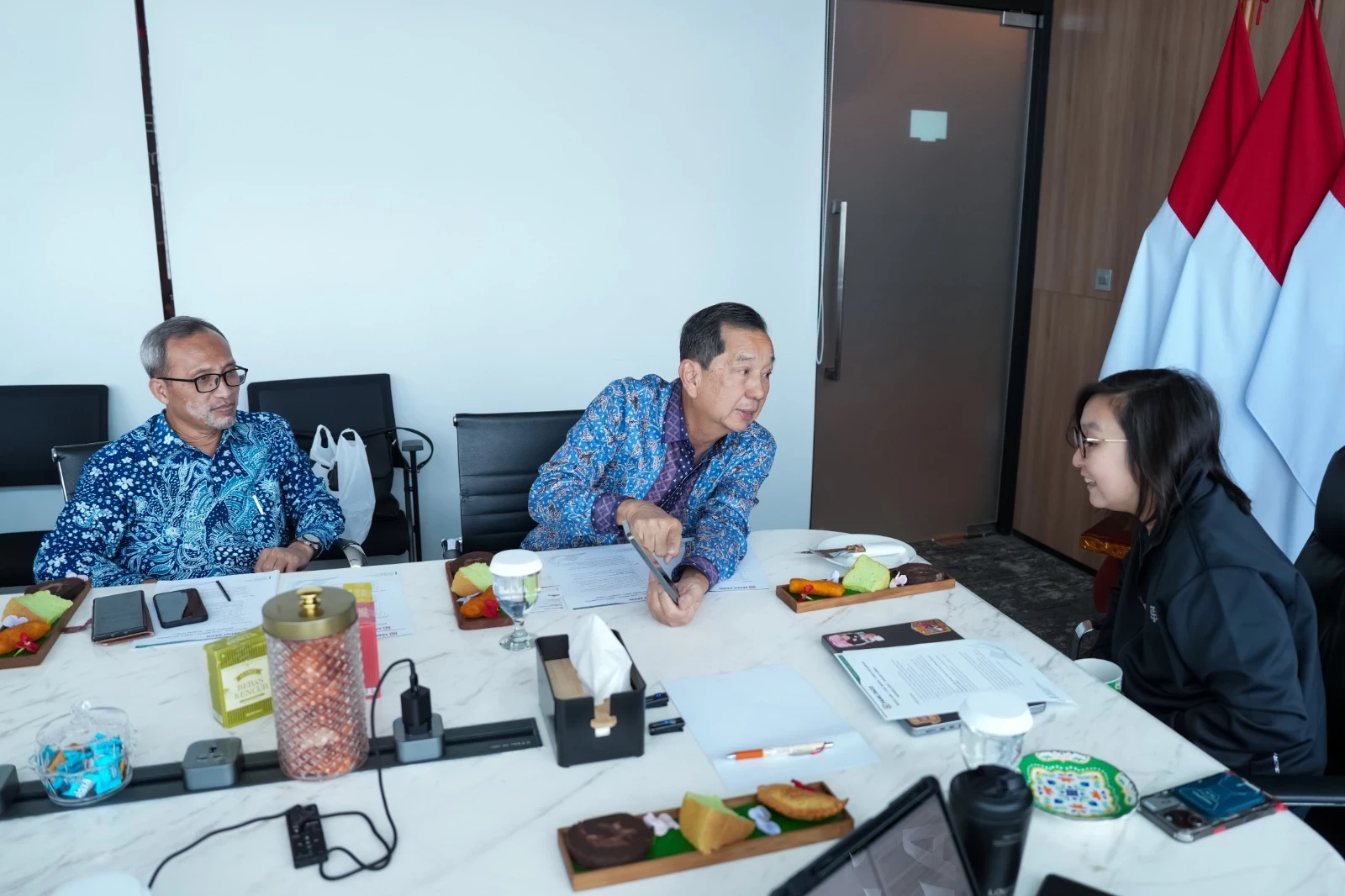
 Deputy Minister of Creative Economy/Deputy Head of the Creative Economy Agency (Ekraf), Irene Umar, received an audience with PT Jamu Jago at the Ministry of Creative Economy office in Jakarta, Tuesday (September 1, 2026).
“I believe jamu can go global, but Indonesia still faces major challenges in the supply chain, branding, and the limited number of entrepreneurs capable of scaling up to the industrial level. To position jamu alongside global products, we need to modernize its packaging and presentation through contemporary formats that are easily accessible, as well as practical forms such as capsules, without losing its cultural roots,” said Deputy Minister of Creative Economy, Irene Umar, during a meeting at the Ministry of Creative Economy office in Jakarta, Tuesday (1/9).
The meeting marked an initial step toward aligning programs between the Ministry of Creative Economy and Jamu Jago to preserve the sustainability of Indonesia’s herbal health traditions while empowering micro and small enterprises (MSEs) within the supply chain. During the meeting, Jamu Jago presented strategic initiatives to revive the culture of drinking jamu as part of the modern lifestyle of younger generations through education and product innovation.
This synergy is in line with the positive growth of industries rooted in local wisdom. According to Statistics Indonesia (BPS) data processed by the Ministry of Creative Economy, the culinary subsector made the largest contribution to Indonesia’s creative economy in 2025, accounting for 41.06 percent, with growth of 8.44 percent. The export value of creative economy goods from this subsector also increased from US$0.23 billion in January–April 2025 to US$0.28 billion in January–April 2026.
 Photo: Bureau for Communication, Ministry of Creative Economy / Creative Economy Agency.
“Our main focus at this stage is to ensure the availability of goods and the efficient movement of logistics, while detailing the requirements for the implementation of the Jamu Jago program. We need to move quickly so that jamu products can truly circulate and contribute to driving Indonesia’s economy. With thorough preparations, the program can then be easily implemented in various targeted locations,” emphasized the Deputy Minister.
PT Jamu Jago is the oldest traditional medicine company in Indonesia. It was founded by Phoa Tjing Seong and Tio Tining in 1918 in Wonogiri before moving to Semarang, with a rooster as its icon symbolizing hard work, perseverance, and the spirit of healing. Under the motto “Jagonya Jamu Sejak 1918,” the company combines traditional recipes with modern standards to offer a range of popular products.
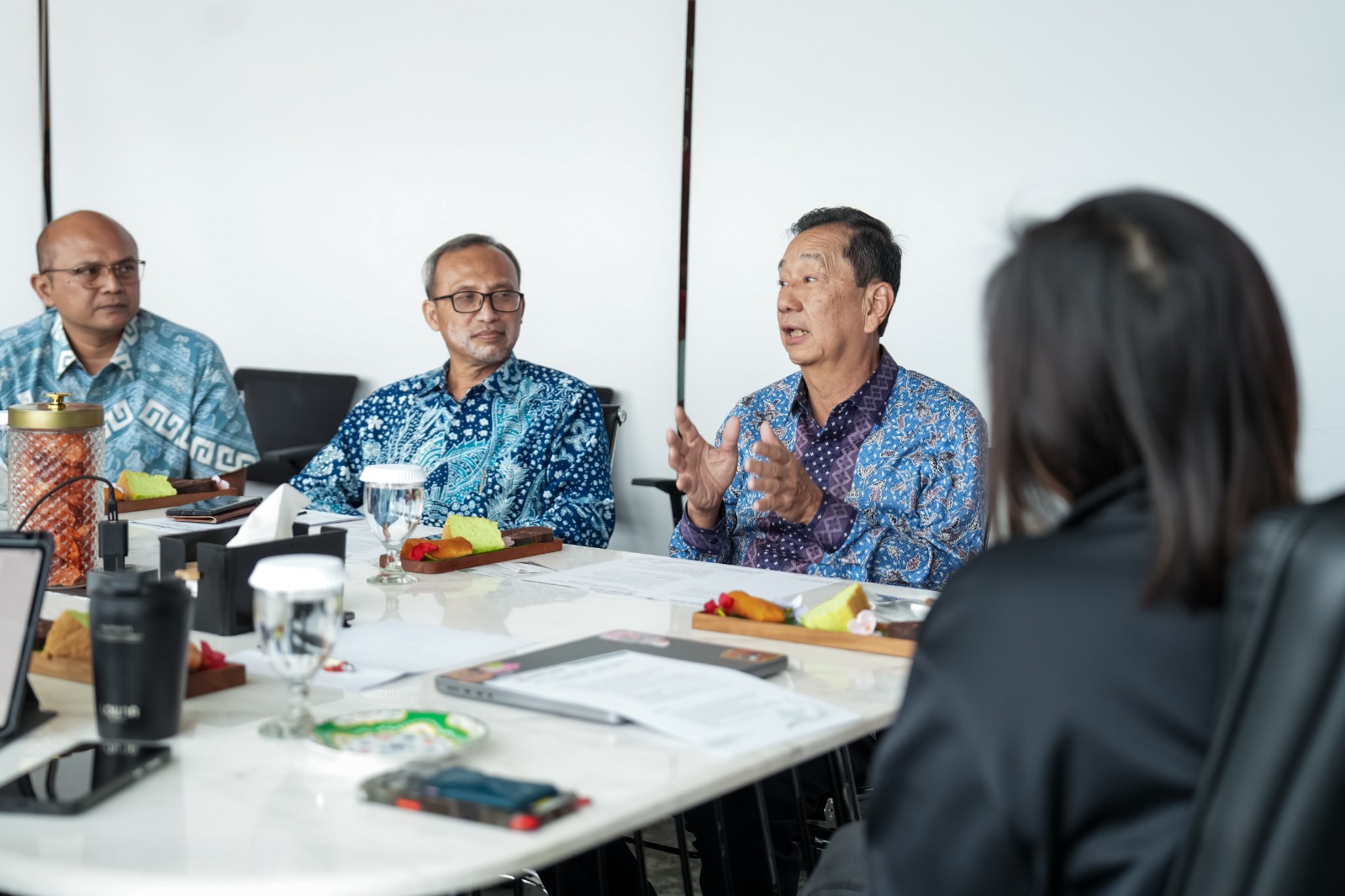 Photo: Bureau for Communication, Ministry of Creative Economy / Creative Economy Agency.
“We are very pleased that Deputy Minister Irene Umar shares our vision of bringing jamu to the global stage. Thank you for this productive discussion on advancing the Jamu Jago program. We are ready to follow up on the Deputy Minister’s directions for the revival of Indonesian jamu,” said Bambang Sutantio, President Commissioner of Jamu Jago.
During the meeting, the Deputy Minister of Creative Economy was accompanied by Special Staff for Creative Economy Ecosystem Strengthening and Data, Jago Anggara; and Head of the Subdirectorate for Culinary Marketing and Commercialization, Dessy Widowati.
Kiagoos Irvan Faisal
Head of Bureau for Communication
Ministry of Creative Economy / Creative Economy Agency