Jakarta, October 12, 2026 – Deputy Minister of Creative Economy/Deputy Head of the Creative Economy Agency (Ekraf), Irene Umar, received an audience with Merry Astrid Indriasari, Trade Attaché at the Embassy of the Republic of Indonesia in Tokyo, to discuss opportunities to promote Indonesian products, intellectual property (IP), and creative talent in Japan. The meeting was part of efforts to expand international market access for Indonesia’s creative economy practitioners.
 Deputy Minister of Creative Economy/Deputy Head of the Creative Economy Agency (Ekraf), Irene Umar (right), receives an audience with Trade Attaché at the Indonesian Embassy in Tokyo, Merry Astrid Indriasari, to discuss opportunities to promote Indonesian products, intellectual property (IP), and creative talent in Japan, Jakarta, Monday (12/10/2026).
“This meeting marks a strategic step toward building synergy and expanding global market access for Indonesian creative products. The Ministry of Creative Economy is ready to serve as a strategic partner, from product curation to mentoring, in preparation for Indonesia’s participation in various international festivals and events, such as the Indonesia-Japan Friendship Festival (IJFF) 2026,” said the Deputy Minister at Autograph Tower, Jakarta, Monday (12/10).
Efforts to explore cooperation can also be expanded through the World Conference on Creative Economy (WCCE) 2026, which will take place in Jakarta on October 21–23, 2026. Carrying the theme “Inclusively Creative: Collective Continuity,” the forum will bring together governments, creative industry players, creators, investors, and international partners to foster collaboration and create opportunities for intellectual property development. Cooperation with Japan can be part of efforts to connect Indonesia’s creative potential with global industry networks.
“Indonesia has a wealth of ideas, creativity, and cultural identity that can serve as distinctive attractions in global markets. We need to ensure that Indonesian products and creative works introduced in Japan are not only presented as Indonesian products, but are also supported by promotional concepts that are relevant, appealing, and capable of building connections with local consumers,” added the Deputy Minister.
 Photo: Bureau for Communication, Ministry of Creative Economy / Creative Economy Agency.
In response, Merry Astrid Indriasari, Trade Attaché at the Indonesian Embassy in Tokyo, said the Japanese market offers opportunities for Indonesian creative products that combine functionality, quality, and distinctive Indonesian design characteristics. Products made from leather, wood, and rattan are considered to have the potential to meet the needs of Japanese consumers, who tend to prefer simple, functional products with less contrasting colors.
“If we want to enter the Japanese market, we should not try to adopt Japanese styles entirely. Instead, we should showcase what Indonesia has to offer. Indonesia’s distinctive characteristics are precisely what Japanese consumers can appreciate and what sets Indonesian creative products apart,” said Merry.
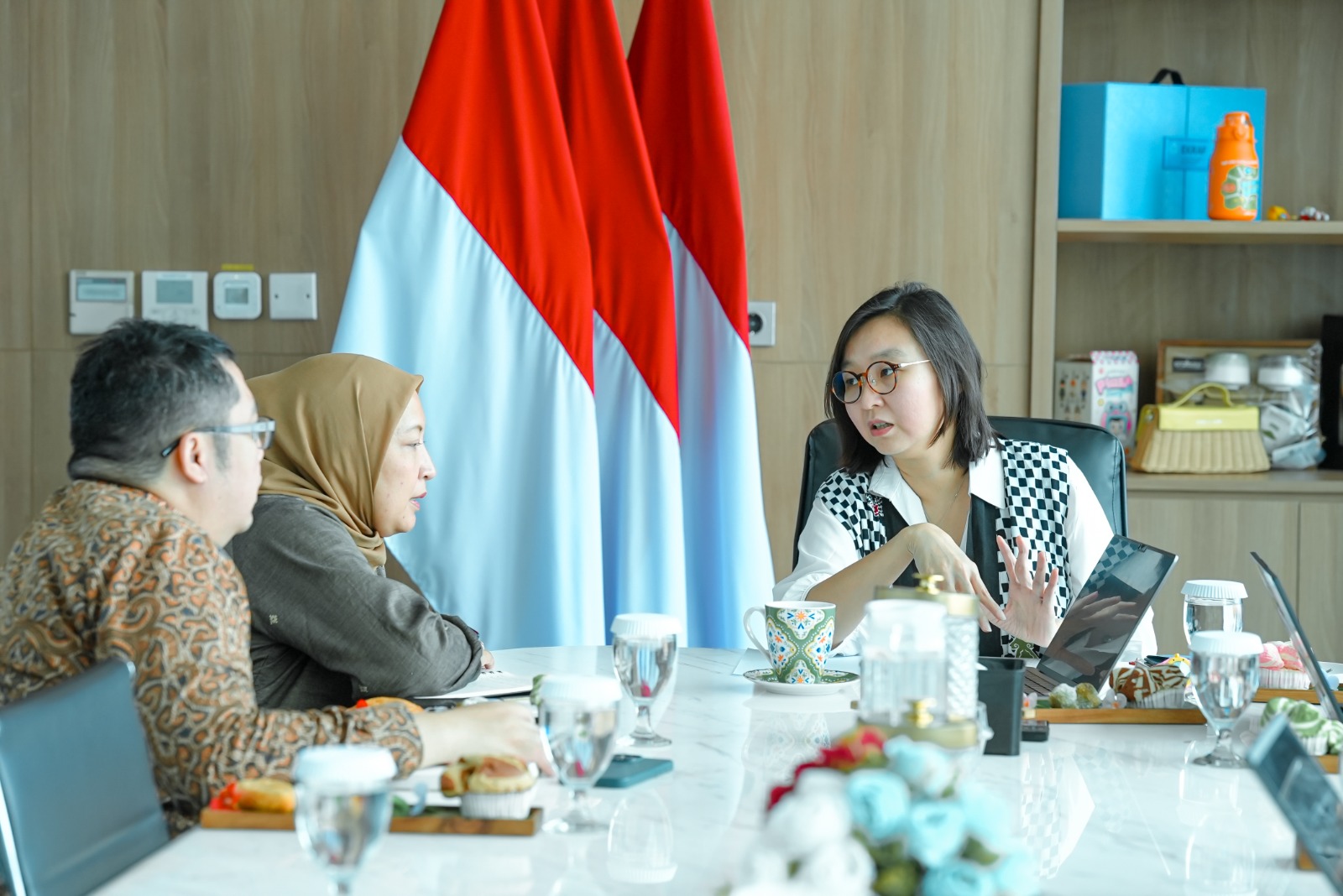 Photo: Bureau for Communication, Ministry of Creative Economy / Creative Economy Agency.
Merry also explained that Indonesian products and talent have been promoted in Japan, including during Osaka World Expo 2025. This experience provides a foundation for expanding the recognition of Indonesia’s creative works. Through IJFF, scheduled to take place in December 2026, the Indonesian Embassy in Tokyo hopes that more products and talent from Indonesia’s 21 creative economy subsectors will be showcased and reach Japanese audiences beyond the Indonesian diaspora.
A range of local products and creative talent, including jamu herbal drinks, coffee, perfume, bags, and music, could be part of this promotional collaboration. The Ministry of Creative Economy and its partners will explore suitable forms of cooperation based on the characteristics of the Japanese market, industry readiness, and the potential of each subsector. These efforts are expected to create new partnership opportunities while increasing appreciation for Indonesia’s creative identity and works in international markets.
Kiagoos Irvan Faisal
Head of Bureau for Communication
Ministry of Creative Economy / Creative Economy Agency