Jakarta, September 7, 2026 – The Ministry of Creative Economy / Creative Economy Agency (Ekraf) promotes the development and utilization of artificial intelligence (AI) while ensuring that humans remain at the center of the creative process.
 The Ministry of Creative Economy / Creative Economy Agency (Ekraf) highlights the role and creativity of humans in the AI era at IdeaFest 2026, Monday (7/9/2026).
The statement was delivered by Director of Technology Creativity at the Ministry of Creative Economy, Dandy Yudha Feryawan, during a panel discussion at IdeaFest 2026 titled “Creator or Generator? When Everyone Can Make, What Comes Next?” at the Jakarta International Convention Center (JICC), Jakarta, Sunday (6/9).
Dandy said that the presence of AI does not necessarily eliminate the role of humans in creating works. According to him, there is a distinction between works created with the assistance of AI (AI-assisted) and works that are entirely generated by AI (AI-generated).
“The use of AI as an assisting tool does not automatically make a work lose its originality. Instead, what needs to be considered is the extent to which humans contribute creatively and retain control over the final result. AI can generate something, but humans determine what is most meaningful about the work,” said Dandy.
 Photo: Bureau for Communication, Ministry of Creative Economy / Creative Economy Agency.
This approach is in line with the human-centric principle, which is increasingly important in the development of AI across the 21 creative economy subsectors. In the context of copyright, Law Number 28 of 2014 defines a creator as one or more persons who, individually or jointly, produce a work that is distinctive and personal in nature.
During the discussion, Dandy emphasized the importance of human creative contributions in giving works their character, choices, expression, and decisions that make them authentic and original. He also highlighted challenges related to the use of works as training data, copyright ownership, and the traceability of human involvement in the creative process.
According to him, the government and the creative economy ecosystem need to find a balance between encouraging technological innovation and providing protection and certainty for creators.
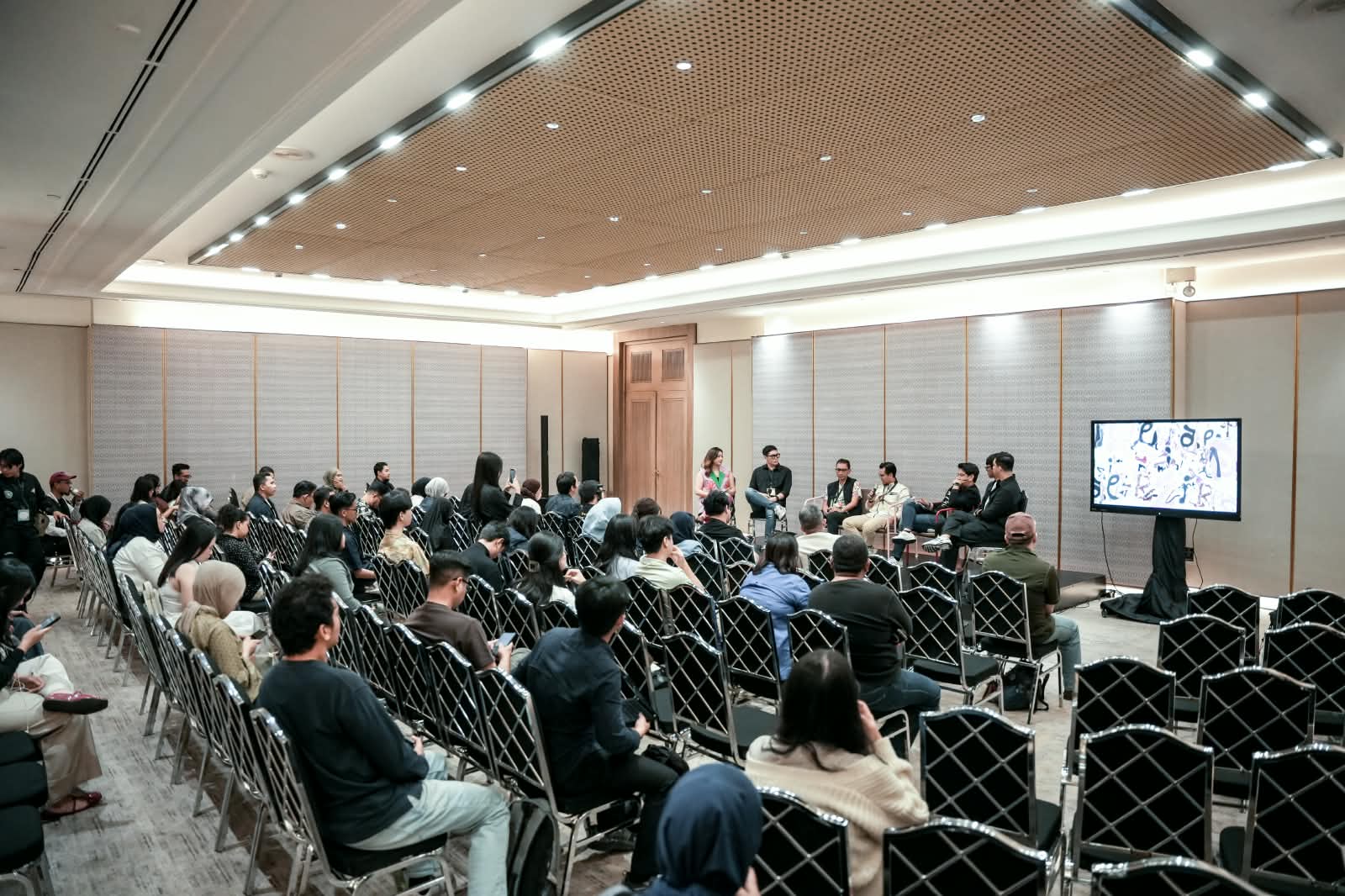 Photo: Bureau for Communication, Ministry of Creative Economy / Creative Economy Agency.
“This is becoming increasingly important as AI makes content production much easier and faster. When the technical ability to produce works becomes widely accessible, human value increasingly lies in ideas, perspectives, experiences, taste, context, and the ability to curate,” added Dandy.
The discussion panel, organized by ECHO and IdeaFest, featured Adrian Martadinata as moderator, along with Danny Ardianto, Head of Government Affairs and Public Policy, YouTube Southeast Asia; Ganjar Ariel Sentosa, Chief Operating Officer of Massive Music Entertainment; Ucha Ramadhan, Producer of Podcast Ancur; and Riashada Firdausya, Co-Founder of HEI ECHO GROUP.
The speakers discussed developments in AI and its impact on the creative industries, including opportunities to leverage AI to strengthen the creative process, as well as the importance of preserving human experience, character, and contribution in a work.
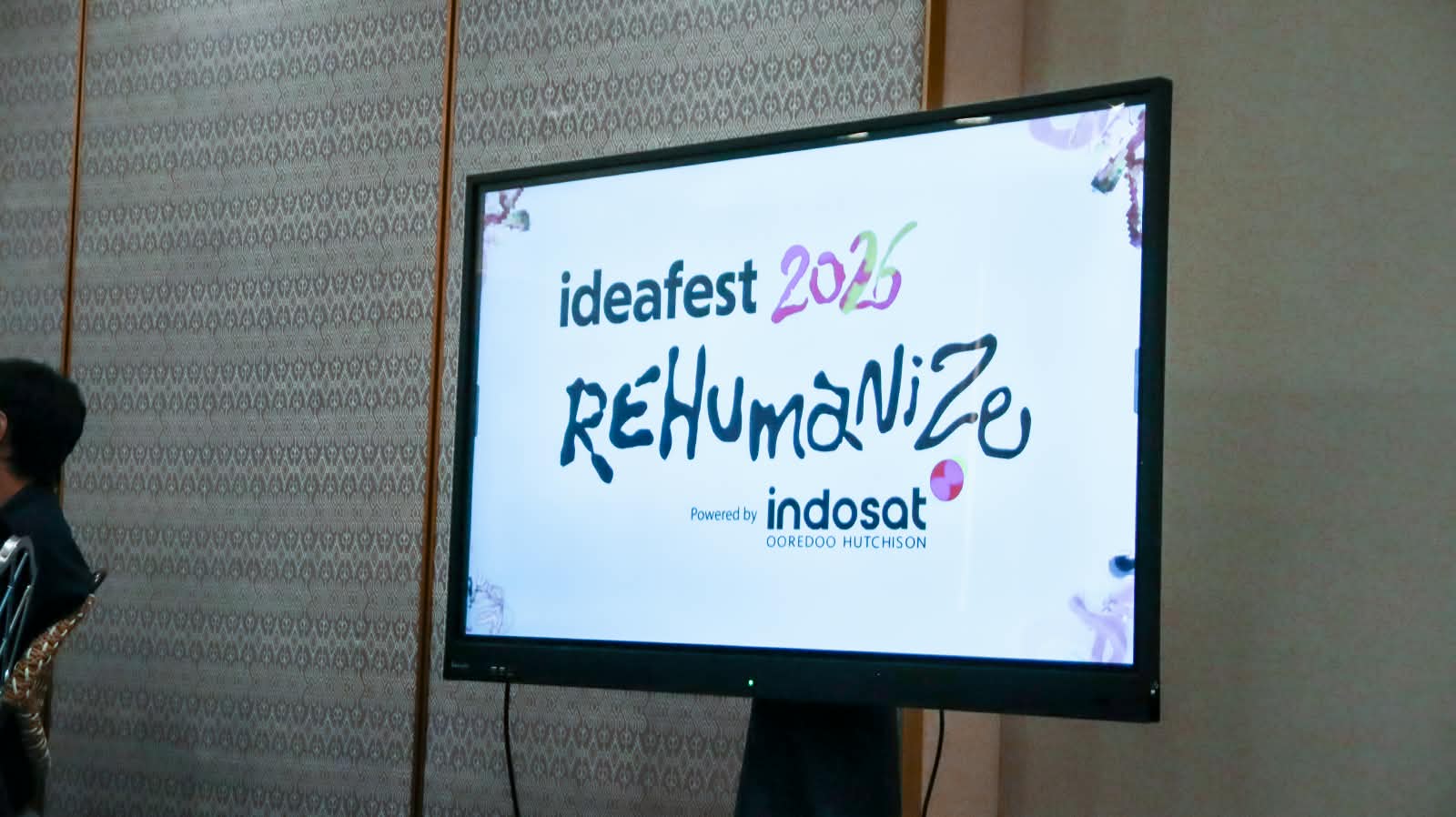 Photo: Bureau for Communication, Ministry of Creative Economy / Creative Economy Agency.
For the Ministry of Creative Economy, the direction to be pursued is creating with AI. AI serves as a tool to expand human capabilities for experimentation and creation, while humans remain at the center of determining the ideas, meaning, value, and direction of creative works.
Kiagoos Irvan Faisal
Head of Bureau for Communication
Ministry of Creative Economy / Creative Economy Agency