Jakarta, September 2, 2026 – Indonesia is once again hosting Radiodays Asia 2026, taking place from September 1–3, 2026, at Hotel Aryaduta, Jakarta. Minister of Creative Economy/Head of the Creative Economy Agency, Teuku Riefky Harsya, reaffirmed the government’s commitment to strengthening the national broadcasting and digital content ecosystem through the international event.
 Minister of Creative Economy/Head of the Creative Economy Agency (Ekraf), Teuku Riefky Harsya, delivers remarks at the Radiodays Asia 2026 event at Aryaduta Hotel, Jakarta, Wednesday (2/9/2026).
“Radio is no longer defined simply by a frequency. It is part of a broader audio ecosystem that serves as a platform and a means of reaching wider audiences. Technology has transformed how audio content is produced, distributed, and consumed. At the same time, these changes are creating new opportunities for creators to build audiences, develop intellectual property (IP), and reach markets that were previously beyond their reach,” Minister Teuku Riefky said in his opening remarks at Hotel Aryaduta on Wednesday (2/9).
Radiodays Asia 2026, themed “The Evolution of Audio”, brings together radio, podcast, and audio industry professionals from Indonesia, across the Asia-Pacific region, and beyond to discuss the evolution of the audio ecosystem amid rapid technological change and the need for sustainable adaptation.
The event, which has attracted more than 300 participants from 26 countries, addresses a range of strategic issues, including the use of artificial intelligence (AI), news, misinformation and journalism, audio business strategy and sustainability, sales and monetization, advertising, research and data, as well as the convergence of radio, podcasts, and creators. The forum serves as an important opportunity to strengthen collaboration among stakeholders and explore the future of a sustainable creative ecosystem.
 Photo: Bureau for Communication, Ministry of Creative Economy / Creative Economy Agency.
“The challenge today is no longer simply producing content, but transforming stories from different countries into intellectual property that can travel beyond Indonesia and continue to generate economic value over the long term. We therefore need stronger collaboration between creativity and technology, between ideas and investment, and between local talent and global opportunities,” the Minister added.
Meanwhile, Radiodays Europe, North America, and Asia CEO Peter Niegel said the forum has become increasingly important amid rapid technological change and shifting patterns of media consumption. He noted that industry professionals continue to find new ways to adapt to changing audiences and technologies.
“Since its inception, Radiodays Asia has been an important platform for industry professionals to exchange ideas, explore emerging trends, and shape the future of the audio industry across the wider region. We are at a crossroads between rapid technological advancement and changing consumer habits. The best professionals in the industry will continue to find new ways of working and reinvent how they reach the audiences of the future,” Peter Niegel said.
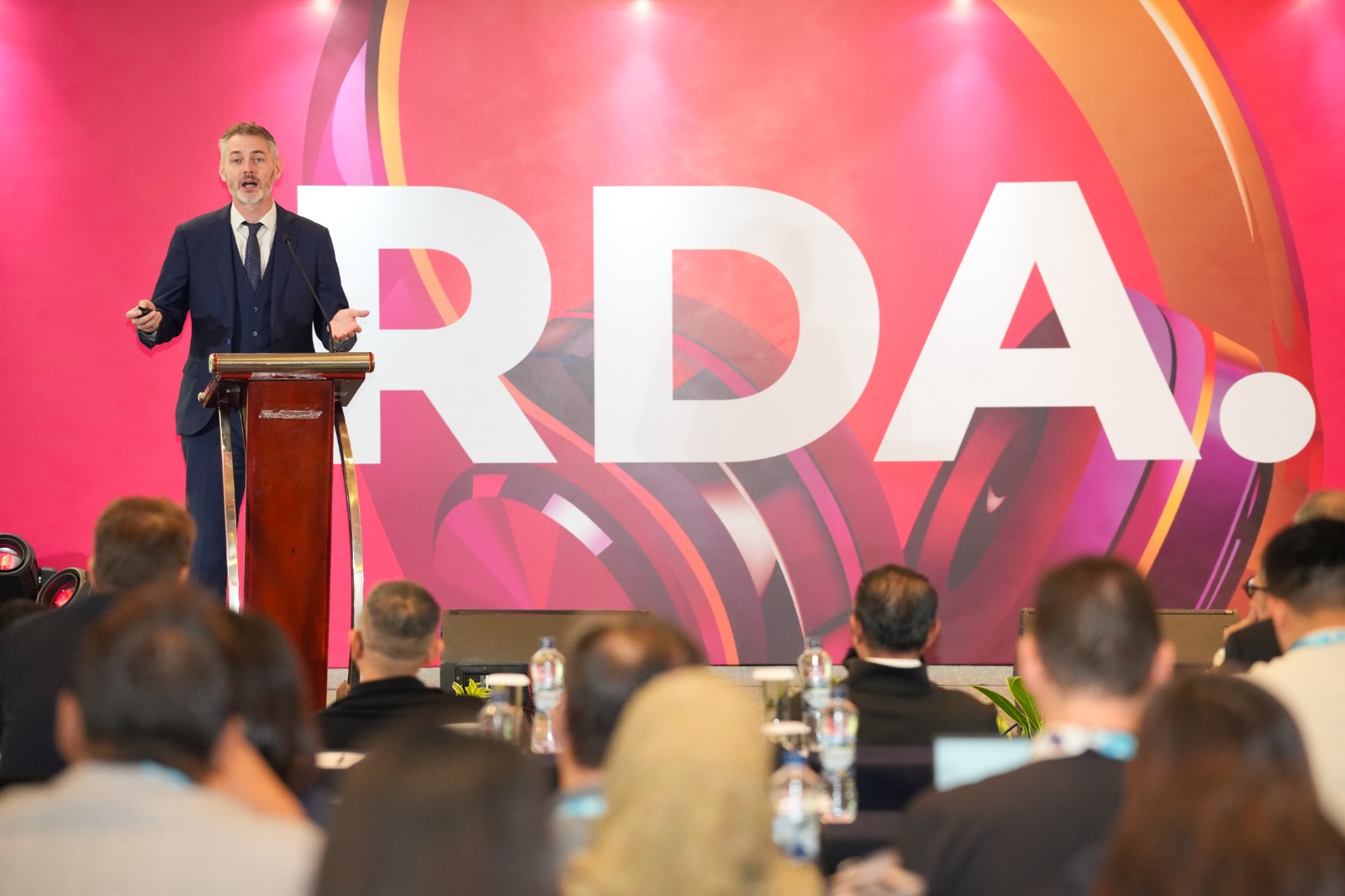 Photo: Bureau for Communication, Ministry of Creative Economy / Creative Economy Agency.
This year marks the second time Jakarta has hosted Radiodays Asia, following the conference’s inaugural Jakarta edition in 2025. The conference program also explores global audio trends, the transformation of broadcasting, and innovations in radio and podcast business development. One of the key programs is Podcast Day Asia, which examines listener trends, the creator economy, visual podcasting, monetization, and podcast business development in Asia. The program will conclude with the announcement of the winners of the Asia Podcast Awards 2026, followed by a networking session.
The future of the audio industry cannot be built by the government or any single stakeholder alone. Collaboration among the government, broadcasters, technology providers, creators, academics, researchers, communities, and creative industry professionals is essential to building a strong and sustainable audio ecosystem.
For Indonesia, Radiodays Asia 2026 is expected to encourage more local voices, stories, music, and talent to grow and reach wider audiences, creating tangible opportunities for the broadcasting sector and the broader audio-based creative industry.
The Ministry of Creative Economy sees the television and radio subsector as having significant potential to drive rapid growth in the creative economy. According to 2025 data from Statistics Indonesia (BPS), the television and radio subsector contributed Rp238.8 trillion to the creative economy’s GDP, equivalent to 13.59 percent. This reflects the growing convergence of media and broadcasting production and their potential to unlock the strength of Indonesia’s creative economy. The subsector ranks third in terms of its contribution to the creative economy, after the culinary and fashion subsectors.
Minister Teuku Riefky Harsya was accompanied by Deputy for Media Creativity Cecep Rukendi and Director of Television and Radio Radi Manggala. Also attending the event were CEO of PT Mahaka Radio Integra Indonesia Adrian Syarkawi; Australian radio futurologist James Cridland; and Director of Radio Mewat India Archana Kapoor.
Kiagoos Irvan Faisal
Head of Bureau for Communications
Ministry of Creative Economy/Creative Economy Agency