Jakarta, July 27, 2026 — The Ministry of Creative Economy/Creative Economy Agency (Ekraf) emphasized the importance of the role of local governments as catalysts in establishing the creative economy as a new engine of national economic growth. The commitment was conveyed by Deputy Minister of Creative Economy, Irene Umar, during a meeting with Mayor of Tasikmalaya, Viman Alfarizi Ramadhan, at the Ministry of Creative Economy office on Monday (27/7).
 Deputy Minister of Creative Economy, Irene Umar, received an audience with Mayor of Tasikmalaya, Viman Alfarizi Ramadhan, at the Ministry of Creative Economy office, Jakarta, Monday (27/7/2026).
“Local governments are key to driving the creative economy to become a new pillar of national economic progress at the local level. Therefore, every region must explore and highlight its unique potential in order to build a strong creative economy identity,” said Irene Umar.
The meeting also discussed the Ministry of Creative Economy’s planned collaboration for the 25th anniversary of Tasikmalaya City, which will take place throughout October 2026. Several activities are being prepared, including free health check-ups utilizing local Intellectual Property (IP), an ultramarathon and fun run, the optimization of the Gedung Creative Center (GCC), as well as various creative activities involving the community and creative economy practitioners.
 Photo: Bureau for Communication, Ministry of Creative Economy / Creative Economy Agency
The series of activities is designed as a cross-sector collaboration that highlights the potential of local arts, culture, crafts, and culinary products, creating a memorable celebration while delivering a tangible impact on the local economy, particularly for the younger generation.
“The event in Tasikmalaya should be packaged holistically by highlighting local wisdom such as embroidery, Payung Geulis, and its signature cuisine, including Nasi Tutug Oncom, while also integrating environmental sustainability, health, and Intellectual Property Rights (IPR) standards. This cross-sector collaboration will not only provide a unique tourism experience but also ensure that Tasikmalaya’s distinctive character remains memorable and becomes an unforgettable attraction,” said the Deputy Minister of Creative Economy.
Tasikmalaya City has significant creative economy potential through eight leading industries, namely embroidery and garment production, kelom geulis, Payung Geulis, batik, mendong crafts, bamboo weaving, processed wood products, as well as food and beverages. This potential is supported by the dominance of the culinary and crafts subsectors, as well as tourist arrivals, which reached 667,484 visitors in 2025.
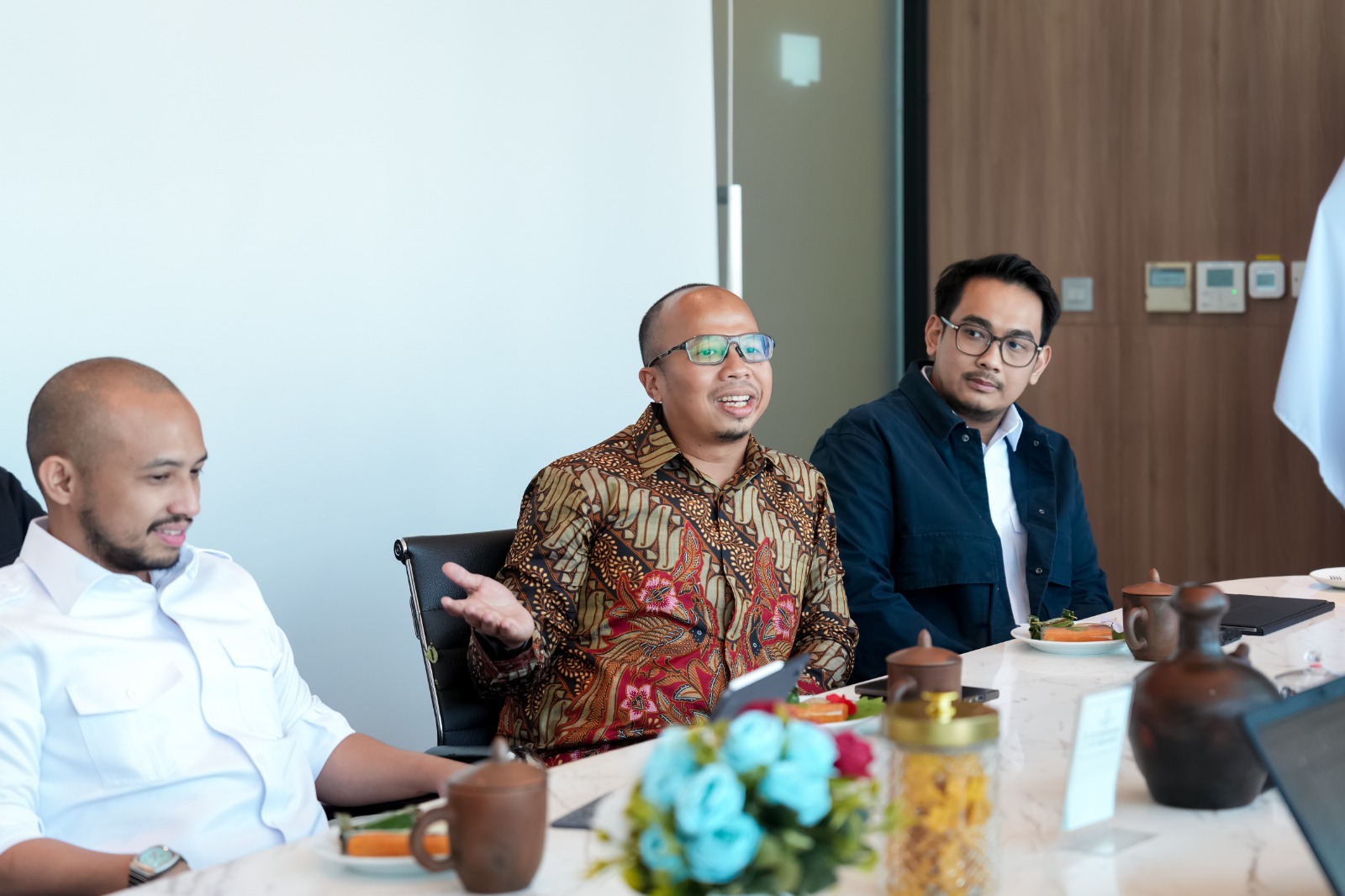 Photo: Bureau for Communication, Ministry of Creative Economy / Creative Economy Agency
Therefore, the Deputy Minister of Creative Economy hopes that all of this potential can be optimized through cross-sector collaboration to become a competitive identity in line with Tasikmalaya’s position as the “Pearl of East Priangan.”
The Ministry of Creative Economy also encourages Tasikmalaya City to strengthen its creative economy institutions to ensure the smooth implementation of various strategic programs, such as Creative Village Activation, Ekraf Hub Activation, and Creative by Indonesia. This initiative is expected to optimize local potential while accelerating the sustainable growth of the creative ecosystem in the region.
The anniversary of Tasikmalaya City in October has been proposed for integration into the national series of Creative Economy Day celebrations, which are commemorated annually on October 24, with activities held throughout the month in various regions across Indonesia under the theme “Oktober Kreasi.”
 Photo: Bureau for Communication, Ministry of Creative Economy / Creative Economy Agency
In addition, the Deputy Minister discussed preparations for the World Conference on Creative Economy (WCCE) 2026, scheduled to take place on October 21–23, 2026, at JIEXPO Kemayoran, Jakarta. The conference will formulate the Jakarta Declaration as a roadmap toward a United Nations Resolution on the Creative Economy for delegates from approximately 80 countries. The Tasikmalaya anniversary celebration is aligned with the implementation of this global forum.
“Many thanks to the Deputy Minister and the Ministry of Creative Economy team. The discussions and input provided have been truly extraordinary and have opened our eyes to ways of refining our plans for this event. We sincerely hope that this synergy will continue to encourage Tasikmalaya to become a major creative economy hub in East Priangan and West Java,” said Mayor of Tasikmalaya, Viman Alfarizi Ramadhan.
During the meeting, the Deputy Minister of Creative Economy was accompanied by Acting Deputy for Strategic Creative Economy Development, Agus Syarip Hidayat; Special Staff for Creative Economy Ecosystem Strengthening and Data, Jago Anggara; Director of Funding Access, Financing and Investment Development, Hayun Anujuprana; Director of Intellectual Property Facilitation, M. Fauzi; and Head of the Strategic Management Subdirectorate, Dwi Wahyuni.
 Photo: Bureau for Communication, Ministry of Creative Economy / Creative Economy Agency
Also present were Special Staff to the President for MSMEs and Digital Technology, Tiar Nabilla Karbala; Head of the Tasikmalaya City Regional Development Planning, Research, and Development Agency (Bappelitbangda), Apep Yosa Firmansyah; Head of the Tasikmalaya City Cooperatives, MSMEs, Industry and Trade Office, Sofian Z. Mutaqien; as well as several other officials from the Tasikmalaya City Government.
Kiagoos Irvan Faisal
Head of the Bureau for Communication
Ministry of Creative Economy/Creative Economy Agency