
Jakarta, 9 February 2026 – Deputy Minister of Creative Economy / Deputy Head of the Creative Economy Agency (Ekraf), Irene Umar, supports the implementation of the Jogja Festival Forum & Expo (JFFE) 2026, scheduled for 15–16 April 2026.
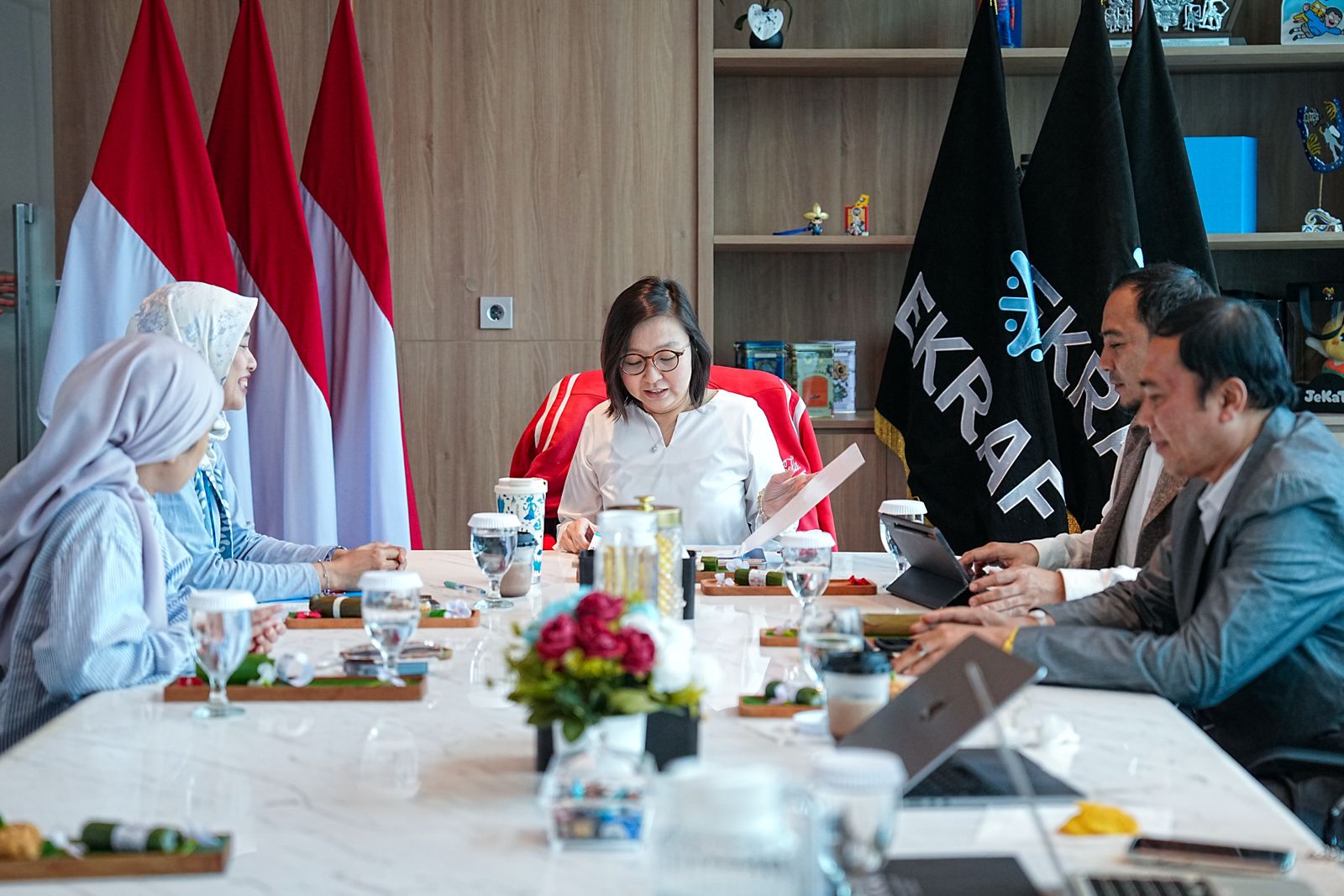 Deputy Minister of Creative Economy, Irene Umar, received the JFFE 2026 organizing committee at the Office of the Creative Economy Agency in Jakarta on Monday (9/2/2026).
Irene stated that the Special Region of Yogyakarta is well-known for its diverse festivals. Therefore, the presence of JFFE 2026 can strengthen the festival ecosystem as a driver of the creative economy, particularly originating from the region.
“Yogya is already well-known for its expos, but every festival event must level up. We can help connect JFFE 2026 as a festival that is not only a space for cultural celebration, but also a center for creative economy growth, driven by collaboration among creative economy advocates, tourism, digital sectors, and merchandising, which will broaden economic impact,” said Deputy Minister of Creative Economy Irene Umar during the audience with the JFFE 2026 organizing committee at Autograph Tower, Jakarta, on Monday (9/2).
In the meeting, Deputy Minister Irene Umar also highlighted opportunities for cross-sector collaboration in Indonesia. The festival’s theme, Festival as Cultural & Economic Infrastructure, will emphasize collaboration and diplomacy among festival organizers.
 Document: Bureau for Communication, Ministry of Creative Economy / Creative Economy Agency
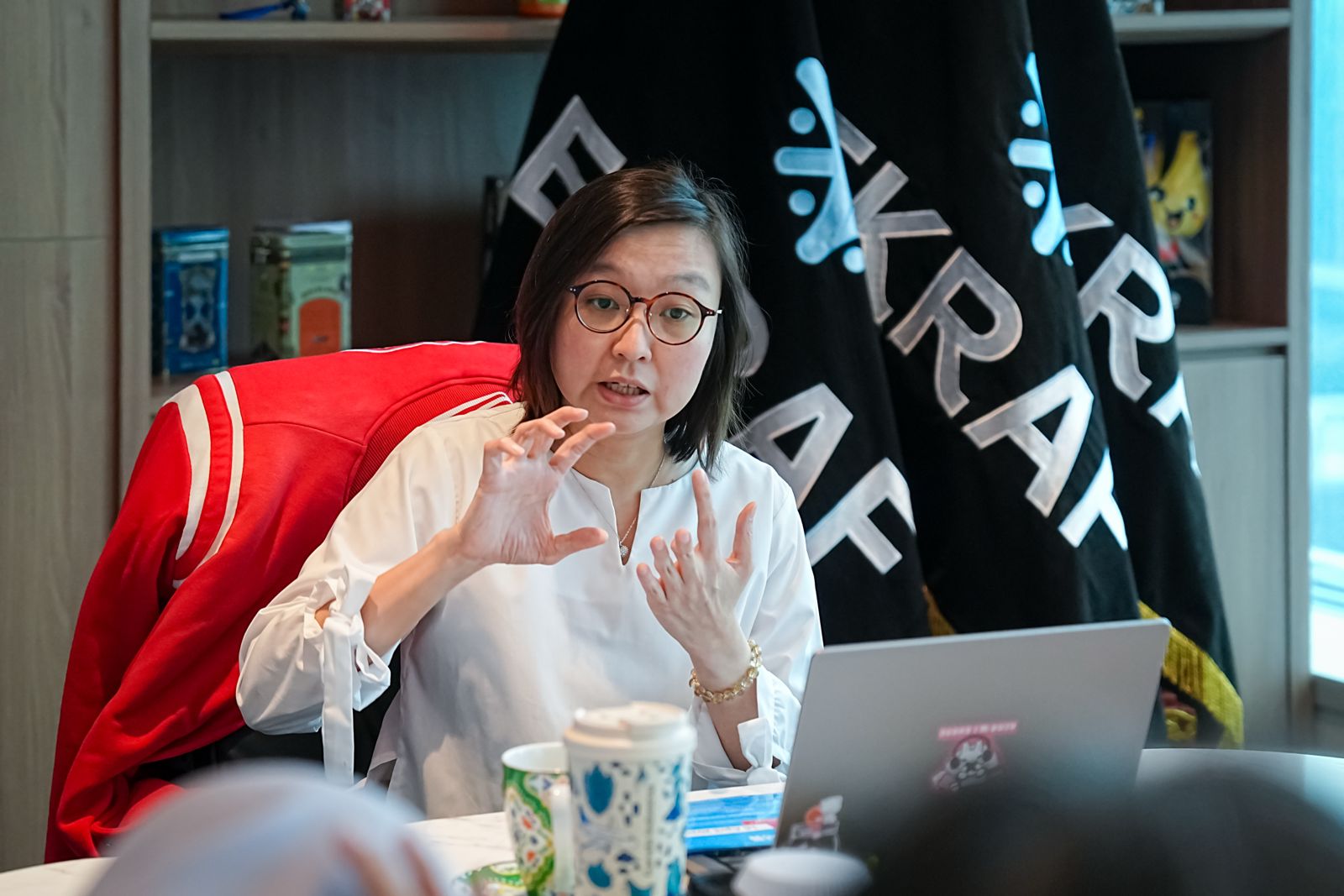
“The task of the Creative Economy Agency in the first five years is to set up the foundations and fully open opportunities to enhance the capabilities of existing creative communities. Therefore, a festival should also bring together all stakeholders within a single ecosystem, so that challenges and opportunities can be discussed collectively, and from there, collaborations and new business models can emerge,” said Deputy Minister of Creative Economy Irene Umar.
Jogja Festivals serve as a collaborative space supporting the development of festivals, arts, culture, and creativity in the Special Region of Yogyakarta. In practice, the integration of festivals in connecting creative economy advocates and Intellectual Property (IP) support systems remains partial. The role of the government is needed as a backbone for the ecosystem so that festival optimization becomes part of a long-term creative economy development strategy.
“Jogja Festivals serves as a home for all festivals in Jogja. Starting from 15 festivals, Jogja Festivals has now become a collaborative platform for 40 festivals in Yogyakarta, consistently held every year. Of course, we aim to create a forum for each subsector that drives economic growth through strengthening festival networks, knowledge exchange, and international cooperation,” explained Dinda Intan Pramesti Putri, Managing Director of Jogja Festivals.
 Document: Bureau for Communication, Ministry of Creative Economy / Creative Economy Agency
The Yogyakarta City Government has also declared the city as a Festival City, making each festival a strategic potential node for driving the creative economy and city branding, directly impacting the creative industry and tourism sector. In addition, JFFE 2026 also promotes the development of festival-based tourism packages, collaboration with travel agents, and the use of digital platforms to expand promotional reach and festival experiences for a global audience.
“Festivals become market ideas for celebrations from each creative economy subsector and serve as soft infrastructure within a creative ecosystem. Therefore, we need support to strengthen the festival ecosystem so that business development can adopt a more open approach to innovation. We received many valuable inputs from Deputy Minister of Creative Economy during the discussion to strengthen JFFE 2026,” continued Dinda Intan Pramesti Putri.
 Document: Bureau for Communication, Ministry of Creative Economy / Creative Economy Agency
During the meeting, discussions also covered economic transformation through festivals and the challenges of festival content-based promotion. Therefore, JFFE 2026 is expected to position festivals as centers of cultural and creative economic energy through symposium agendas, the Asia Festival Forum, and ASEAN festival advocates meetings, strengthening Yogyakarta’s status as a Festival City as well as a hub for idea exchange and regional collaboration.
At the audience, Deputy Minister of Creative Economy Irene Umar was accompanied by Amir Hamzah, Acting Deputy for Cultural Creativity and Design; Dadam Mahdar, Director of Visual and Performing Arts; as well as Felencia Hutabarat, Deputy Partnership of Jogja Festivals, and Lyza Anggraheni, Festival Manager of Jogja-NETPAC Asian Film.
Kiagoos Irvan Faisal
Head of Bureau for Communication
Ministry of Creative Economy / Creative Economy Agency


