
Jakarta, May 26, 2025 – The Ministry of Creative Economy is strengthening three priority subsectors that contribute the most to creative economy exports: fashion, crafts, and culinary arts. Together with the Ministry of Micro, Small, and Medium Enterprises and the Ministry of Trade, the Ministry of Creative Economy officially launched the Indonesia Creative Export Acceleration Program (ASIK) at the Thamrin Nine Ballroom in Jakarta, on Monday, May 26, 2025. This program is designed comprehensively through a process that includes curation, bootcamps, certification facilitation, business matching, and export exhibitions. Dok. Biro Komunikasi Kemenekraf - Melalui kolaborasi lintas kementerian, Kemenekraf perkuat potensi ekspor ekonomi kreatif nasional melalui Program ASIK 2025, Jakarta, Senin (26/5/2025).
Minister of Creative Economy Teuku Riefky Harsya stated that ASIK serves as a collaborative platform that connects local potential with global opportunities. The program aims for priority creative economy products not only to be aesthetically appealing but also to be competitive and globally relevant.
“President Prabowo reminds us to collaborate across ministries to support the creative economy ecosystem that not only creates jobs but also increases investment and expands exports. Through ASIK 2025, we aim to provide tangible support for creative economy players in key subsectors such as fashion, crafts, and culinary arts so that they can penetrate the global market,” said Minister Teuku Riefky at the ASIK launch event.
ASIK 2025 is a new initiative by the Ministry of Creative Economy to accelerate the export of Indonesian creative products, including fashion, crafts, and culinary arts, to global markets. These three subsectors play a central role, employing 94 percent of the creative economy workforce, thereby creating jobs and driving inclusive economic growth. This year’s theme, “Scan the Spirit of Indonesian Creativity,” represents the government’s commitment to nurturing, facilitating, and empowering creative economy talents to compete internationally. Dok. Biro Komunikasi Kemenekraf
Minister Teuku Riefky also emphasized that ASIK takes a comprehensive collaborative approach to help creative economy talents improve production capacity, enhance product quality, and expand access to export markets.
“Collaboration is the key to ASIK’s success, which we achieve through synergy with multiple stakeholders, including the Ministry of MSMEs, the Ministry of Trade, Bank Indonesia, Bank Syariah Indonesia (BSI), Shopee Indonesia, MRA Group, Paragon Corp, and various public and private partners that provide regulatory support and access to international markets,” Minister Teuku Riefky explained.
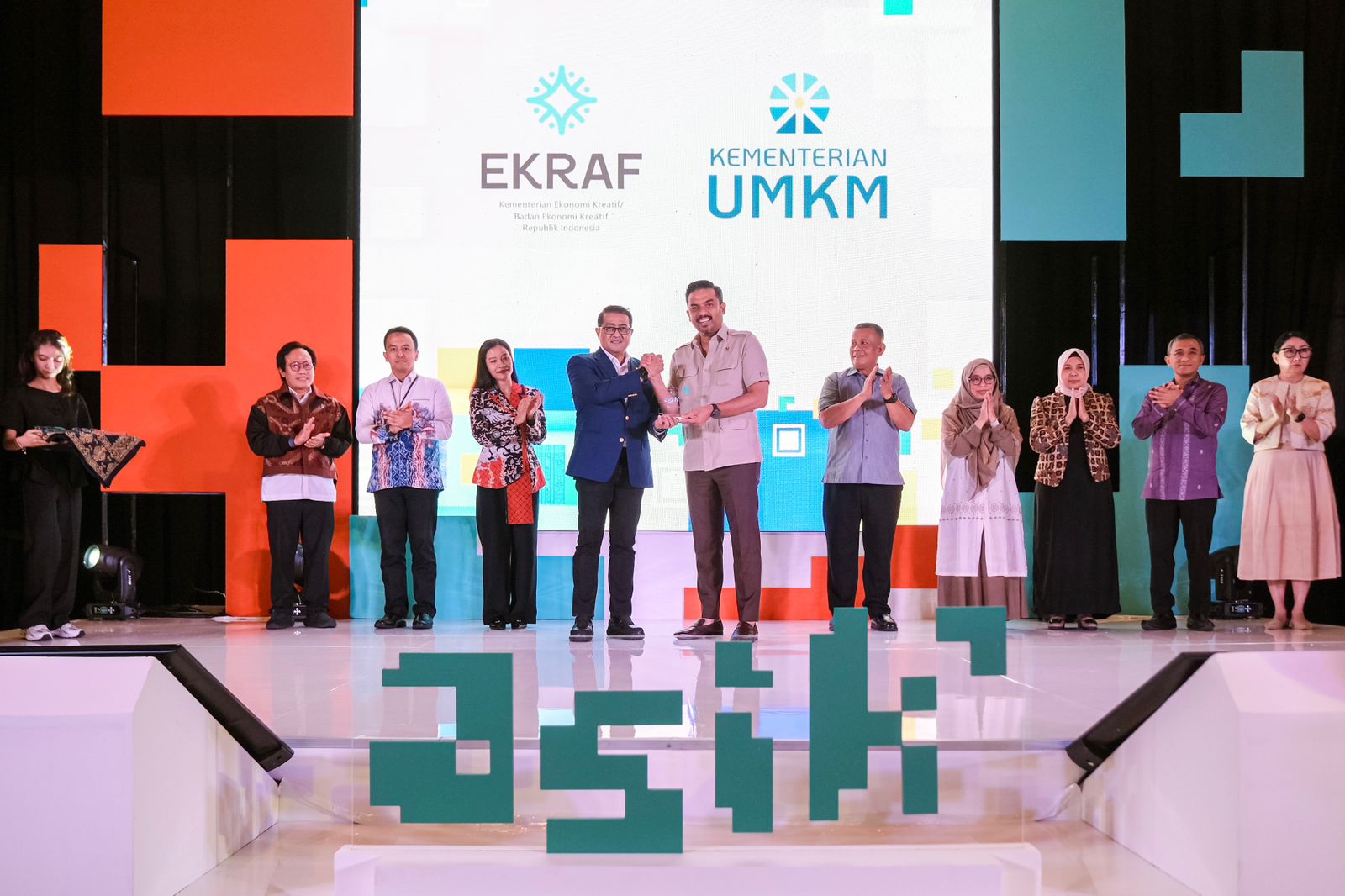
The launch event also featured the signing of a memorandum of understanding (MoU) with the Ministry of Micro, Small, and Medium Enterprises to boost national economic growth and revitalize Indonesia’s creative industry.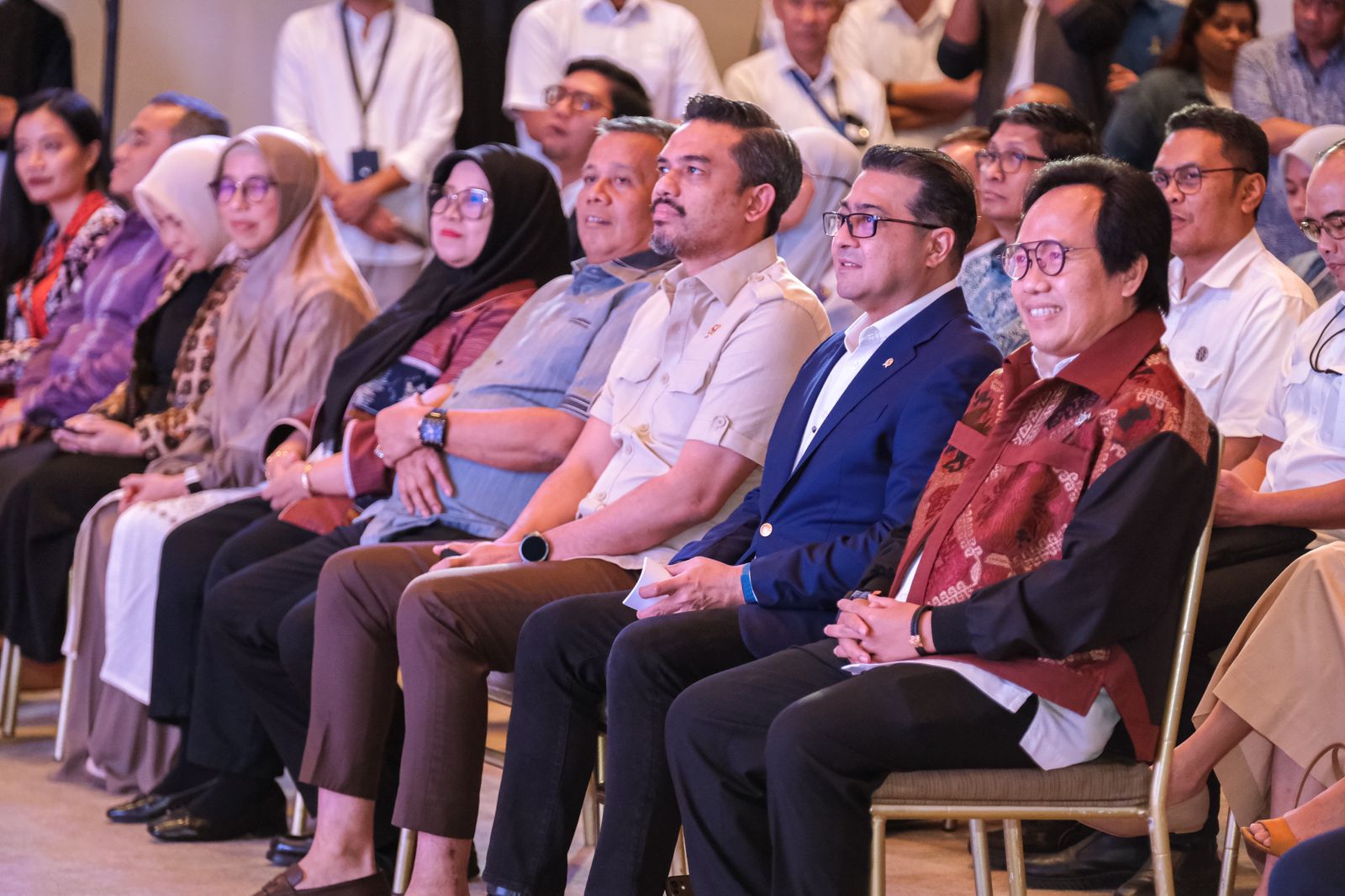 Dok. Biro Komunikasi Kemenekraf
“To achieve the Golden Indonesia 2045 Vision with an 8 percent economic growth target, we must transform various strategic subsectors within the creative economy through innovation-based entrepreneurship. The Ministry of Micro, Small, and Medium Enterprises is ready to provide support through financing, training, and domestic market acceleration to help fulfill the Ministry of Creative Economy’s mission of advancing the creative industry,” said Minister of Micro, Small, and Medium Enterprises, Maman Abdurrahman.
At the event, Deputy for Cultural and Design Creativity, Yuke Sri Rahayu, introduced the ASIK program, which translates creativity into the global supply chain through a barcode or QR code representation. This approach unlocks the transactional value and cultural connection of each Indonesian creation, enabling interaction with audiences worldwide quickly and seamlessly—just like scanning a QR code. ASIK is expected to spark local enthusiasm that leads to global transactions, not only through product exports but also by showcasing Indonesian culture and design beyond geographical boundaries.
“Indonesia’s creative economy is one of the main pillars driving inclusive and sustainable national growth. The fashion, crafts, and culinary subsectors alone account for about 75 percent of Indonesia’s creative economy GDP exports. This shows that Indonesia’s cultural wealth is not just an identity but also a strategic asset with the power to enter global markets,” Yuke Sri Rahayu added.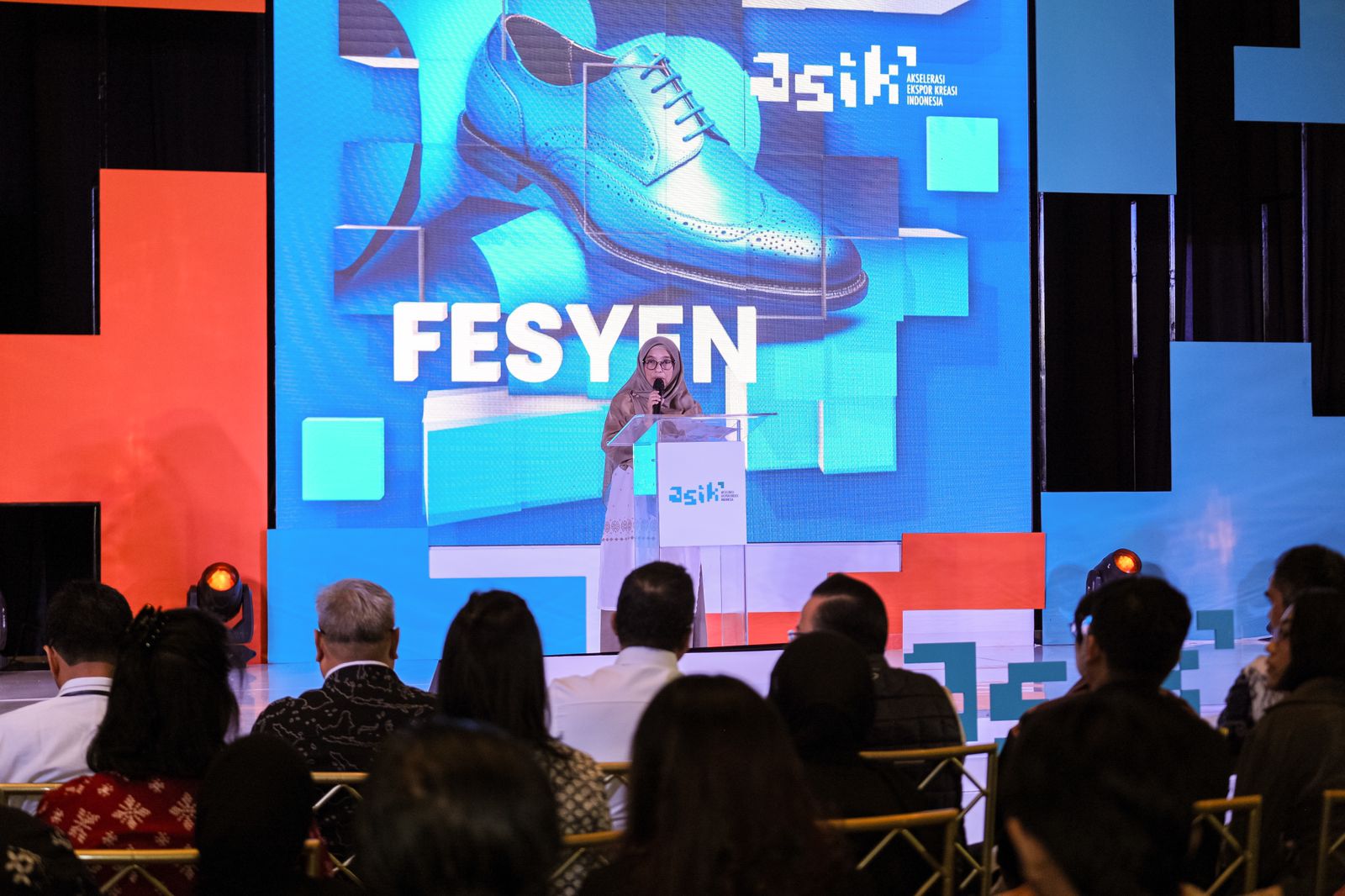 Dok. Biro Komunikasi Kemenekraf
Representatives from the Ministry of Trade also highlighted the upward trend in creative product exports, stressing the need for programs that focus on product development, human resource capacity building, and global market expansion.
“According to the Ministry of Trade data, exports of creative products (excluding creative services) have grown by 26.48 percent over the past five years, demonstrating the strong competitiveness of priority subsectors. The United States is expected to remain the main export destination, followed by Switzerland, Japan, Hong Kong, and India. The launch of ASIK 2025 is expected to strengthen Indonesia’s creative economy export performance through a more structured ecosystem with support from all stakeholders to ensure the sustainability of Indonesian creative brands in global markets,” said Director General of National Export Development at the Ministry of Trade, Fajarini Puntodewi.
Minister Teuku Riefky was accompanied by Deputy Minister of Creative Economy Irene Umar, Deputy for Strategic Development of Creative Economy Cecep Rukendi, Special Advisor for Strategic Issues and Inter-Agency Affairs Rian Syaf, Special Advisor for Communications, Media, and Public Services Renanda Bachtar, Senior Advisor for Marketing and Infrastructure Systems Septriana Tangkary, Director for Infrastructure Facilitation Fahmy Akmal, Director of Culinary Andy Ruswar, Director for Craft Neli Yana, Director for Fashion Romi Astuti, Acting Director for Fine Arts and Performing Arts Dadam Mahdar, Director for Architecture and Design Sabar Norma Megawati Panjaitan, Director for Television and Radio Pupung Thariq Fadhillah, and Director for Publishing and Photography Iman Santosa.
 Dok. Biro Komunikasi Kemenekraf
Also attending were Deputy Minister of Micro, Small, and Medium Enterprises Helvi Yuni Moraza, Deputy for Small Business at the Ministry of Micro, Small, and Medium Enterprises Temmy Satya Permana, Director General of National Export Development Fajarini Puntodewi, Head of the Sharia Economy and Finance Department at Bank Indonesia Imam Hartono, Head of Government Relations Shopee Indonesia Balques Manisang, Director of Editorial Strategy MRA Media Ria Lirungan, and several other VIP guests representing institutions, associations, and creative economy stakeholders.
Kiagoos Irvan Faisal
Acting Head of Bureau for Communication
Ministry of Creative Economy/Creative Economy Agency


