Yogyakarta, 15 April, 2026 – Vice Minister of Creative Economy/Vice Head of the Creative Economy Agency, Irene Umar, stated that festivals are one of the strategic pillars of the creative economy. She emphasized that festivals are no longer merely a form of entertainment, but have transformed into cultural and economic infrastructure.
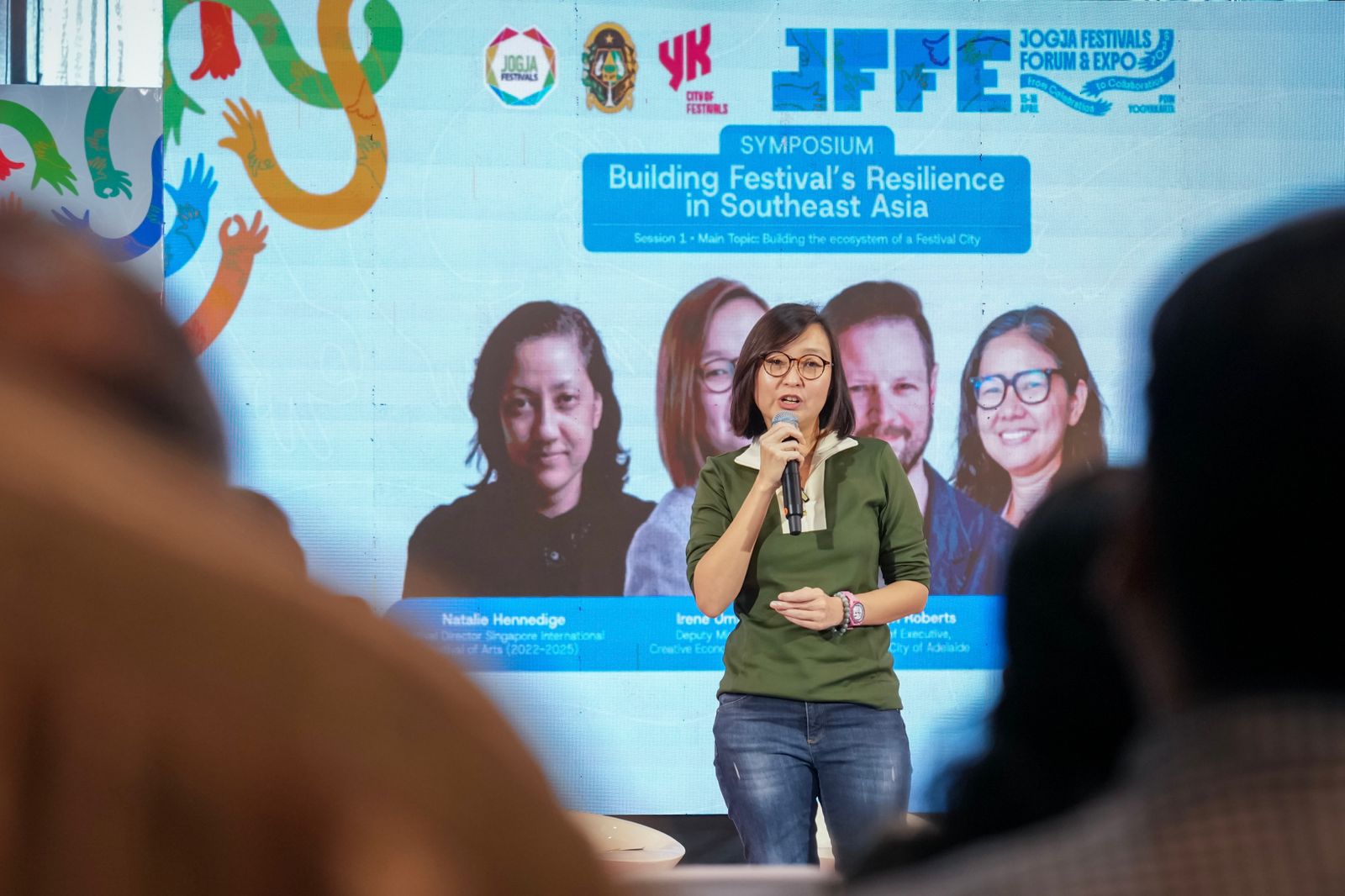 Vice Minister of Creative Economy, Irene Umar, speaking at the opening of Jogja Festivals Forum & Expo (JFFE) 2026 at Pusat Desain Industri Nasional (PDIN), Wednesday (April 15, 2026).
This was conveyed as she spoke at the opening of Jogja Festivals Forum & Expo 2026 held at the Pusat Desain Industri Nasional.
“Festivals are platforms that shape city identity, drive tourism, create jobs, and serve as one of the most effective tools of cultural diplomacy,” she said.
Carrying the symposium theme “Building Festival’s Resilience in Southeast Asia,” JFFE 2026 serves as a cross-sector collaboration platform aimed at encouraging professional festival management so that festivals can evolve into competitive economic assets.
 Doc. Bureau for Communication Ministry of Creative Economy/ Creative Economy Agency
The Vice Minister also highlighted the importance of a fundamental shift in how festivals in Indonesia are organized in order to compete globally. She encouraged a transition in mindset—from merely organizing events to building sustainable Intellectual Property (IP), strengthening independent business models, and fostering cross-border collaboration—positioning Southeast Asia as an integrated global creative hub.
“Our task is no longer just to run events. Our task is to build festival brands with value, with formats that can be licensed, and that can generate their own derivative Intellectual Property,” she added.
 Doc. Bureau for Communication Ministry of Creative Economy/ Creative Economy Agency
On this occasion, she also expressed appreciation for the collaborative creative economy ecosystem in Yogyakarta, which is expected to serve as a model for other regions. Cross-sector collaboration, she noted, is capable of generating positive economic value and supporting long-term industry growth.
This view was echoed by Chairman of Jogja Festivals, Heri Pemad, who stated that government support plays a crucial role in ensuring that festivals in Yogyakarta are not merely celebratory events, but truly function as professional and collaborative economic drivers.
“Support from the ministry is essential to ensure that festivals in Yogyakarta become not only celebrations, but real engines of economic growth that are professional and collaborative,” he explained.
 Doc. Bureau for Communication Ministry of Creative Economy/ Creative Economy Agency
The symposium also featured global perspectives from Glyn Roberts and Natalie Hennedige, who highlighted the importance of public-private partnerships and sustainable business models—aligning with the Vice Minister’s appreciation for Jogja Festivals’ initiative in bringing together various stakeholders strategically.
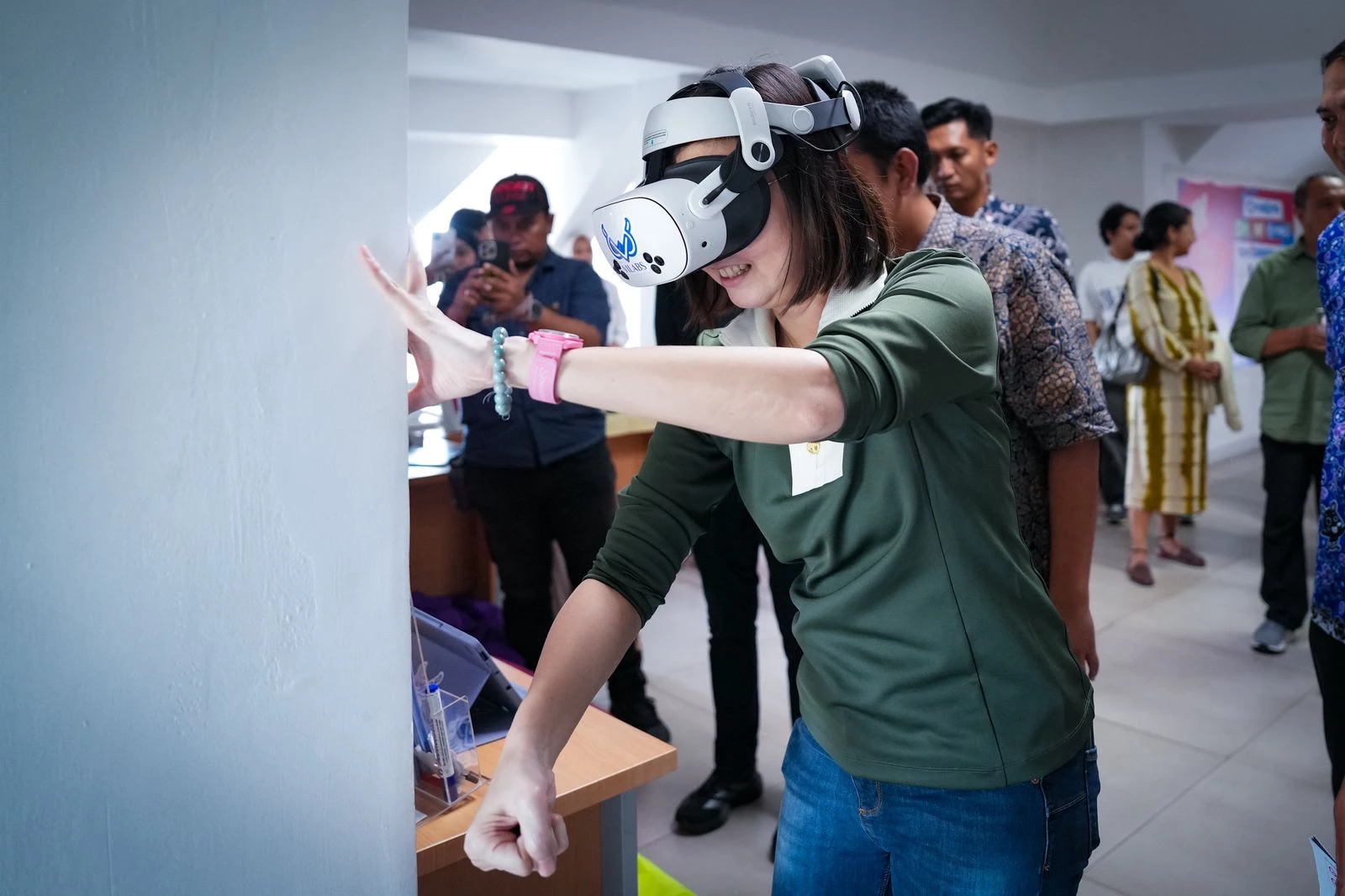
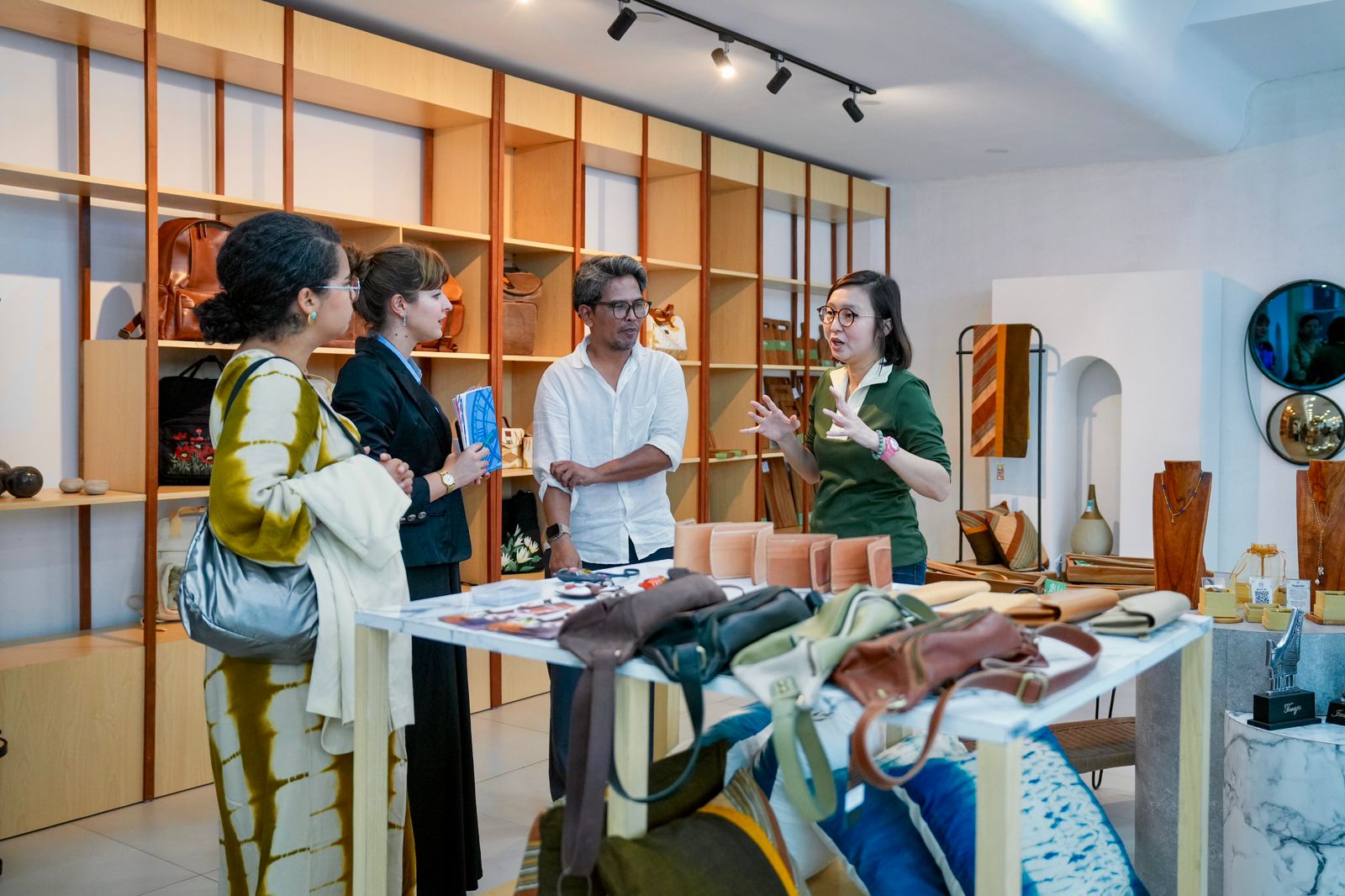
Following her speech, the Vice Minister visited the JFFE Expo and the Creative Economy Committee office to directly observe local creative products, while emphasizing the importance of enhancing quality to compete in the global market.
 Doc. Bureau for Communication Ministry of Creative Economy/ Creative Economy Agency
She was accompanied by Director of Visual Arts and Performing Arts Dadam Mahdar, Special Staff for Creative Economy Ecosystem and Data Jago Anggara, and Expert Staff for Regulation and Institutional Affairs Dahana Esa Putera. The event was also attended by the Mayor of Yogyakarta, Hasto Wardoyo; Advisor to Jogja Festivals, Kanjeng Pangeran Haryo Purbodiningrat; and Jogja Festivals Director, Dinda Intan.
Kiagoos Irvan Faisal
Head of Communications Bureau
Ministry of Creative Economy / Creative Economy Agency


