
Jakarta, July 15, 2025 — Deputy Minister of Creative Economy Irene Umar underscored the tremendous potential of Gen Z in advancing Indonesia’s creative economy. The Ministry of Creative Economy is committed to serving as a facilitator to help turn this potential into the new engine of growth.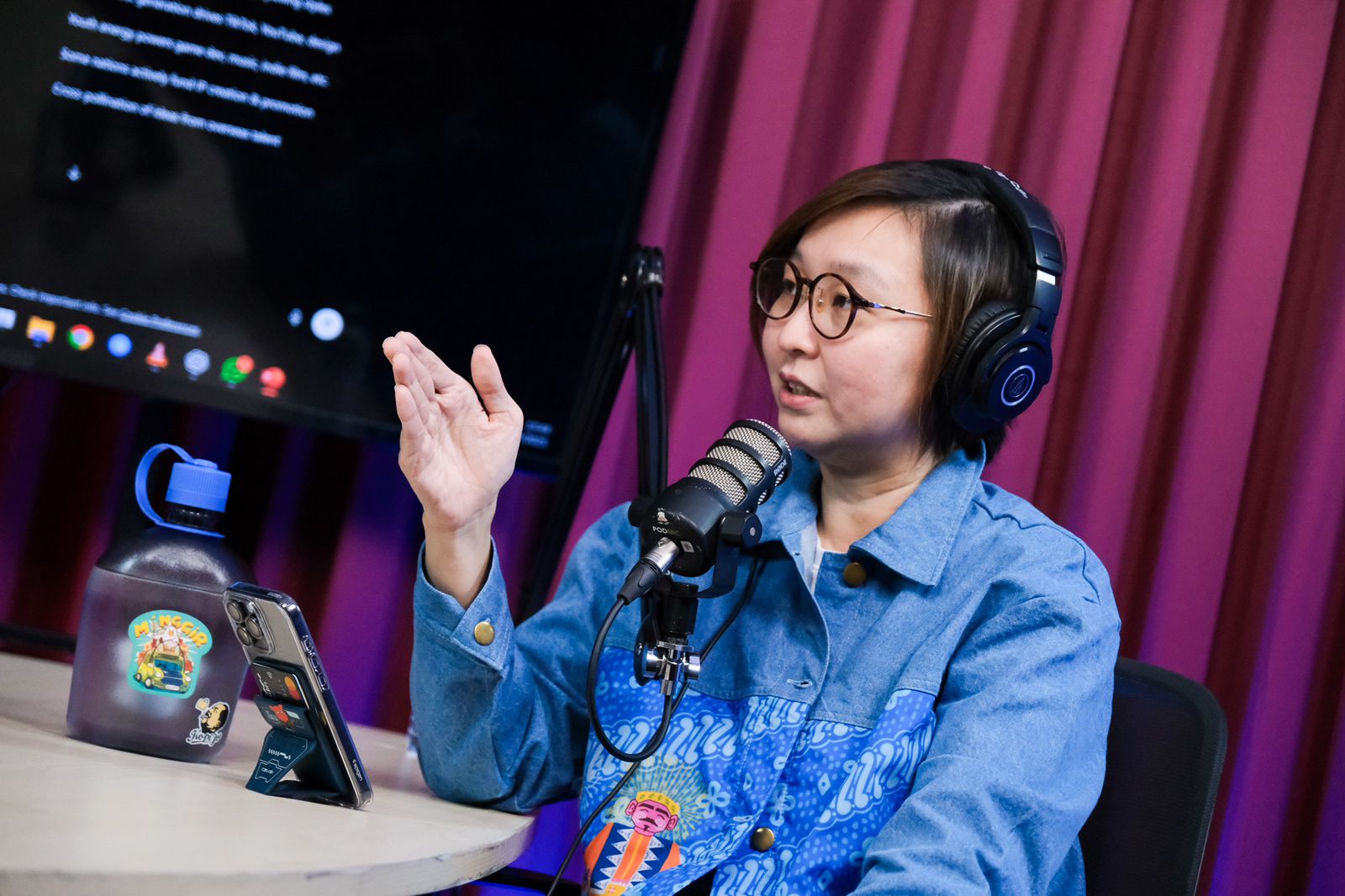 Dok. Biro Komunikasi Kemenekraf/Bekraf - Wamenekraf Irene Umar sebut Gen Z sebagai generasi muda yang memiliki potensi besar dalam ekonomi kreatif saat jadi narasumber dalam podcast BellPods, Jakarta, Selasa (15/7/2025).
“Gen Z are digital natives and creative transformation agents. They are not just users of emerging technologies like NFTs, DAOs, and the metaverse — they are creators. We must be present as facilitators so that their potential can contribute to national economic growth,” said Deputy Minister Irene on Tuesday, July 15, 2025.
She shared these insights as a featured speaker on the Bellpods podcast episode titled “Crypto, Gen Z, and the Creative Economy: A Future-Ready Combination?” hosted by Web3 industry player and Belsystem founder Isybel Harto. Recorded at Move On Multimedia Studio, Green Lake City, Tangerang, the session offered an open discussion space on the potential integration of blockchain, NFTs, and Web3 in driving the creative economy, with Gen Z positioned as the main agents of innovation. Dok. Biro Komunikasi Kemenekraf/Bekraf.
During the conversation, Deputy Minister Irene stressed that the creative economy and technology are now inseparable. She also highlighted cryptocurrency and blockchain as highly relevant strategic opportunities.
Digital assets such as NFTs enable creators to manage the distribution and monetization of their works directly, without relying on traditional intermediaries. Several Indonesian visual artists have successfully sold their works to international collectors via global platforms, showing that Indonesia’s creative economy is gaining greater competitiveness on the world stage.
The Ministry has launched several initiatives, ranging from NFT workshops at the Bali Creative Industry Center (BCIC), the BEKUP incubation program for tech-based startups, to active partnerships with Web3 communities such as IDNFT and digital artist collectives.
“An ideal collaboration must be built on trust and shared values. The government acts as a facilitator, the creative community drives innovation, and industry provides technological solutions,” Irene continued.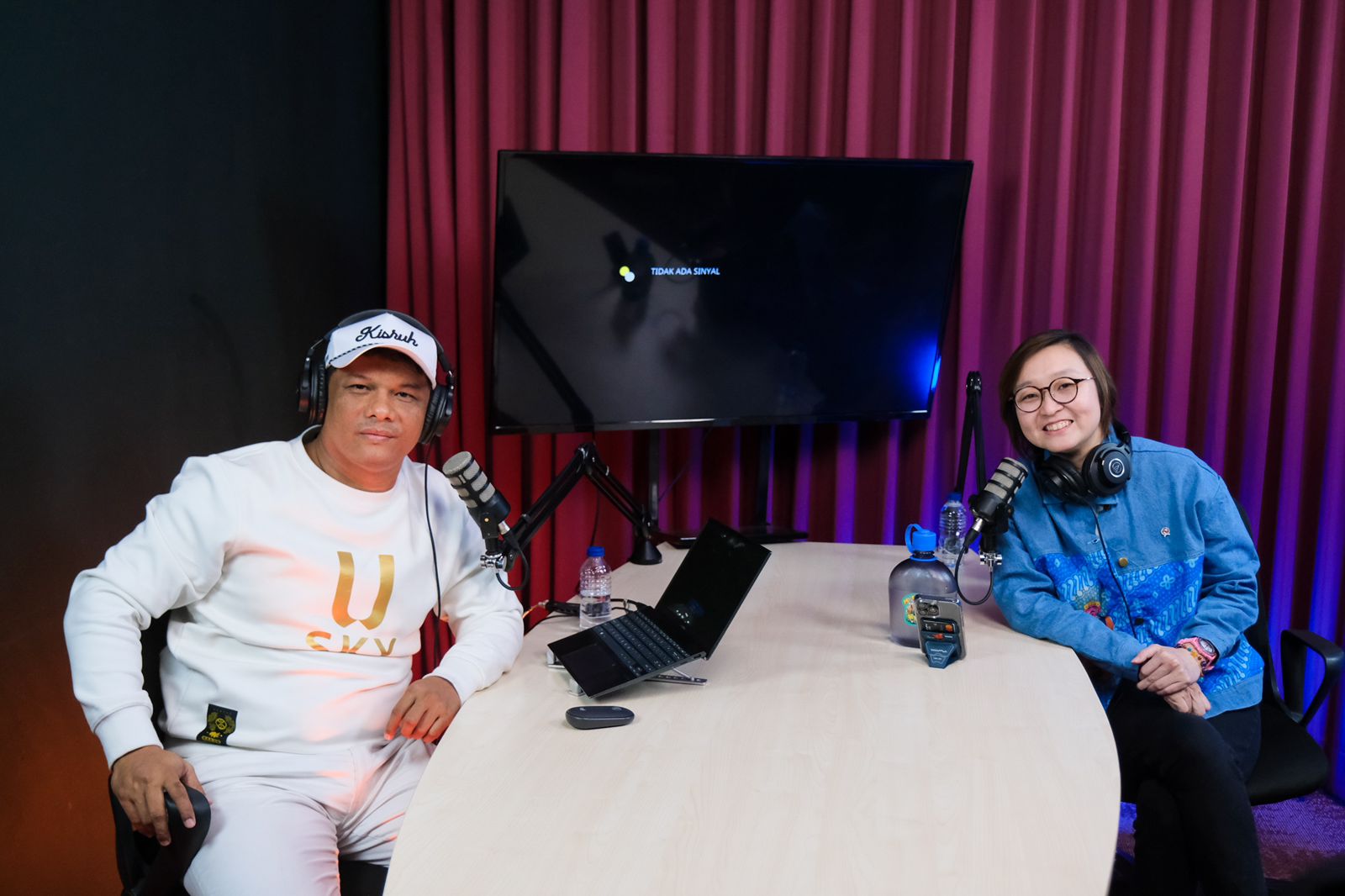 Dok. Biro Komunikasi Kemenekraf/Bekraf.
The discussion also touched on the phenomenon of viral content and online activities such as selling through platforms like TikTok. According to Deputy Minister Irene, as long as these activities bring economic, cultural, and ethical value, they can be part of the creative economy ecosystem.
“We do not dismiss unconventional creativity, but our role is to encourage creativity that is constructive and sustainable,” she emphasized.
The Ministry of Creative Economy reaffirmed that its creative economy policies will remain adaptive to technological advancements such as AI, blockchain, and Web3. These innovations form part of the long-term strategy to enhance Indonesia’s global competitiveness, with a key focus on creating inclusive creative workspaces for the younger generation.
Bellpods is recognized as an educational platform that explores technology and creativity with a casual yet insightful dialogue format. This episode is expected to spark greater collaboration between young creators, digital communities, and government in building an inclusive, competitive, and sustainable digital creative economy ecosystem.
Kiagoos Irvan Faisal
Acting Head of Bureau for Communication
Ministry of Creative Economy/Creative Economy Agency


