
Jakarta, 4 December 2025 — Deputy Minister of Creative Economy/Deputy Head of the Creative Economy Agency Irene Umar emphasized the need to strengthen hexahelix collaboration in building the creative economy ecosystem, particularly in the subsectors of arts and culture, events, fashion, merchandise, and city branding as drivers of sustainable cities. Deputy Minister Irene also encouraged Indonesia’s golden generation to engage in practice-based learning that is directly connected to industry needs.
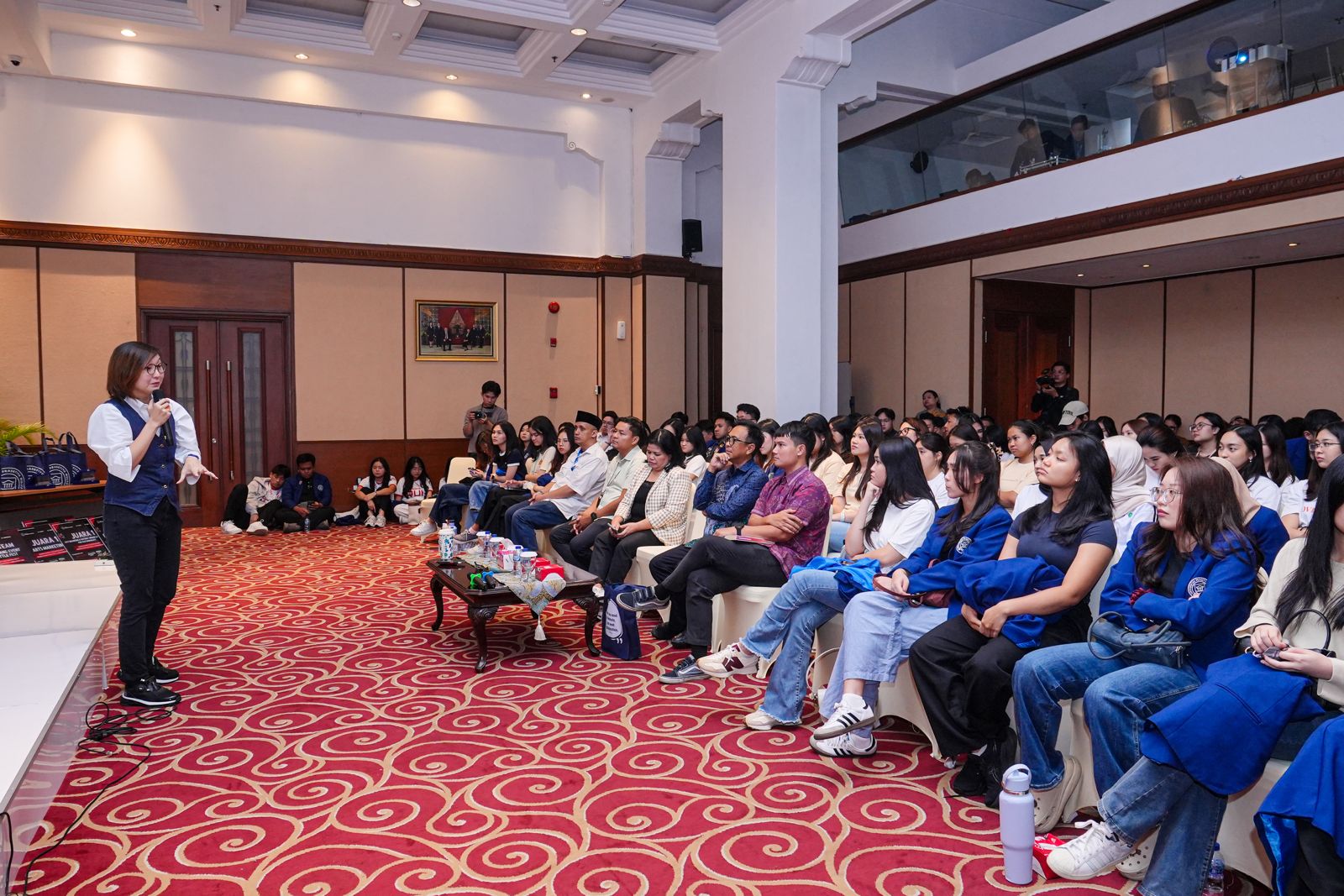 Wakil Menteri Ekonomi Kreatif, Irene Umar, menjadi Dosen Tamu dalam kegiatan Kuliah Umum bersama Universitas Prasetiya Mulya yang diselenggarakan di Museum Bank Indonesia, Jakarta, Kamis (4/12/2025).
Deputy Minister Irene delivered this message during a Guest Lecture held in collaboration with Prasetiya Mulya University at the Bank Indonesia Museum in Jakarta on Thursday, 4 December 2025. The event, themed Developing Creative Potential in Arts-Culture & Event Based on the Creative Economy Toward Sustainable Cities, was attended by undergraduate students of the Branding and Event Study Programs of Prasetiya Mulya University.
“This is a real form of hexahelix collaboration among the government, academia, industry, communities, media, and cultural space managers such as museums. Students are young talents who play an important role in shaping Indonesia’s golden generation in the creative economy sector,” said Deputy Minister Irene.
Deputy Minister Irene also underscored the importance of hands-on practical experience for students as they prepare to enter the workforce or pursue creative entrepreneurship.
“Students today cannot rely solely on theory. They must experience the processes of incubation, idea exploration, and production firsthand to be ready to work while also creating job opportunities,” she asserted.
 Dok. Biro Komunikasi Kementerian Ekonomi Kreatif/Badan Ekonomi Kreatif.
On this occasion, Deputy Minister Irene also directly reviewed various student作品 from Prasetiya Mulya University’s Branding and Event Study Programs, showcased in the form of merchandise, fashion works, and creative products supporting event activations. These outputs were developed through practice-based learning collaborations with the Bank Indonesia Museum and musicians The Overtunes. This collaboration serves as a concrete example of synergy between heritage spaces, creative industry players, and educational institutions in delivering practice-based learning relevant to the actual needs of the creative economy ecosystem.
Vice Rector IV of Prasetiya Mulya University, Fathony Rahman, stated that the curriculum at Prasetiya Mulya is designed to activate theory through a structured business incubation process.
“We equip students with practical skills through a micro-credentials approach so they are ready to enter the industry while also being capable of building businesses from their time in university,” he said.
Meanwhile, Irman Jayawardhana, Secretary of the Tourism Study Program at Prasetiya Mulya University, emphasized that the strength of branding and event learning lies in the creating experience approach.
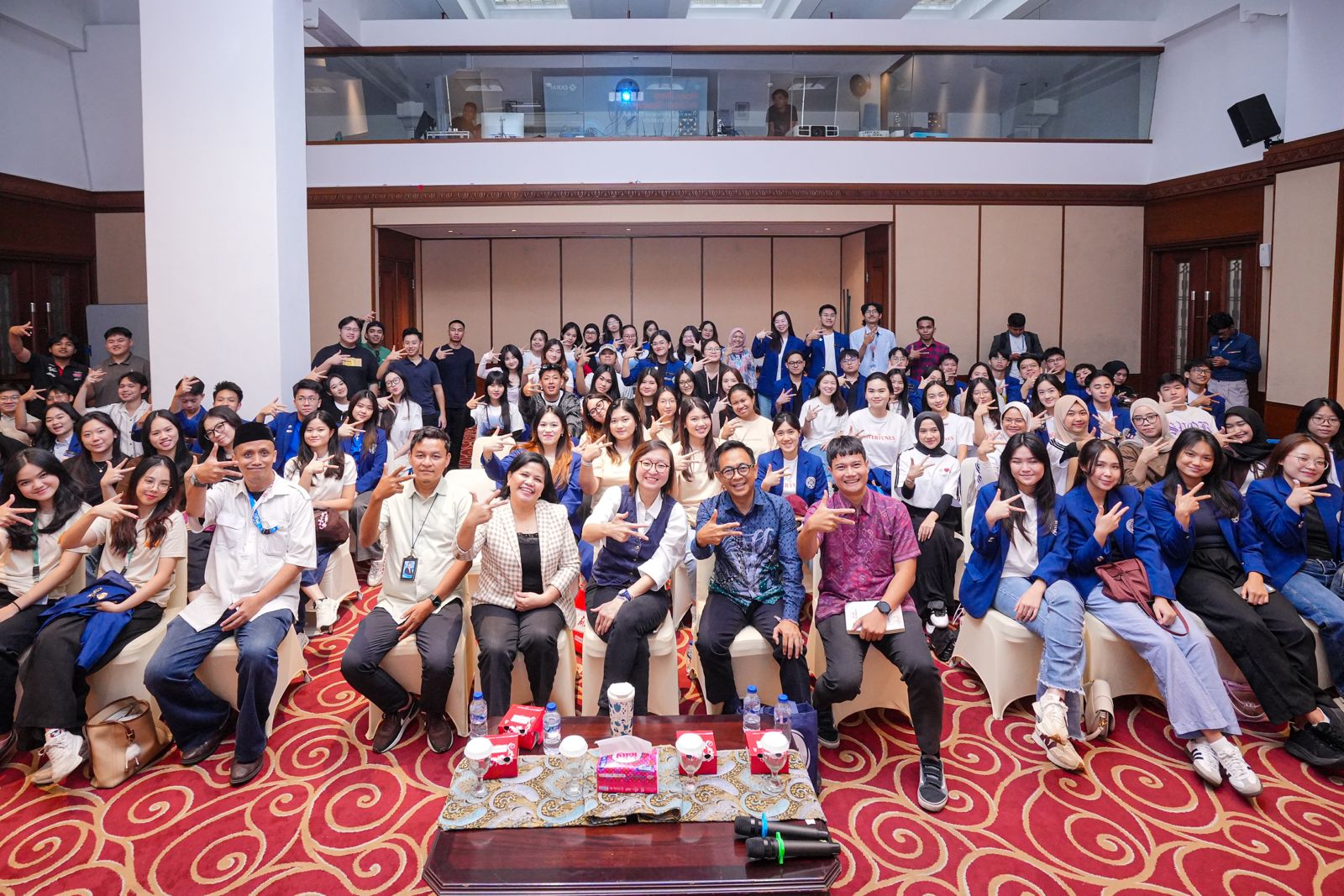 Dok. Biro Komunikasi Kementerian Ekonomi Kreatif/Badan Ekonomi Kreatif.
“Students do not only learn to create products, but to build experiences based on consumer behavior research and experience design, allowing them to have added value in the creative industry,” he explained.
This activity further strengthens the integration of government policy, education, industry, and cultural spaces in promoting the creative economy as the new engine of growth toward a competitive and sustainable Indonesia.
Kiagoos Irvan Faisal
Acting Head of Bureau for Communication
Ministry of Creative Economy/Creative Economy Agency


