
Jakarta, July 16, 2025 – Deputy Minister of Creative Economy, Irene Umar, highlighted the creative economy as an “untapped goldmine,” contributing IDR 1,532 trillion to Indonesia’s GDP in 2024. However, downstreaming of creative products and sectoral ego remain key challenges. Dok. Biro Komunikasi Kemenekraf/Bekraf - Wamen Ekraf bahas potensi besar ekonomi kreatif sebagai penggerak ekonomidi Podcast “Market Think”, Jakarta, Rabu (16/072025).
This was conveyed during her appearance as a guest speaker on the “Market Think” podcast, themed “Creative Industry: Untapped Goldmine”, at the Philip Kotler Museum of Marketing with Hermawan Kartajaya in Jakarta, Wednesday, July 16, 2025.
The Deputy Minister underlined the significant potential of Indonesia’s creative economy sector. According to data from Statistics Indonesia (BPS), the workforce in the creative economy grew by 89% between 2013 and 2024.
The creative economy sector’s contribution to Gross Domestic Product (GDP) also rose from IDR 700 trillion in 2013 to IDR 1,532 trillion in 2024. The government is targeting this sector to contribute 8–8.9% to GDP by 2029.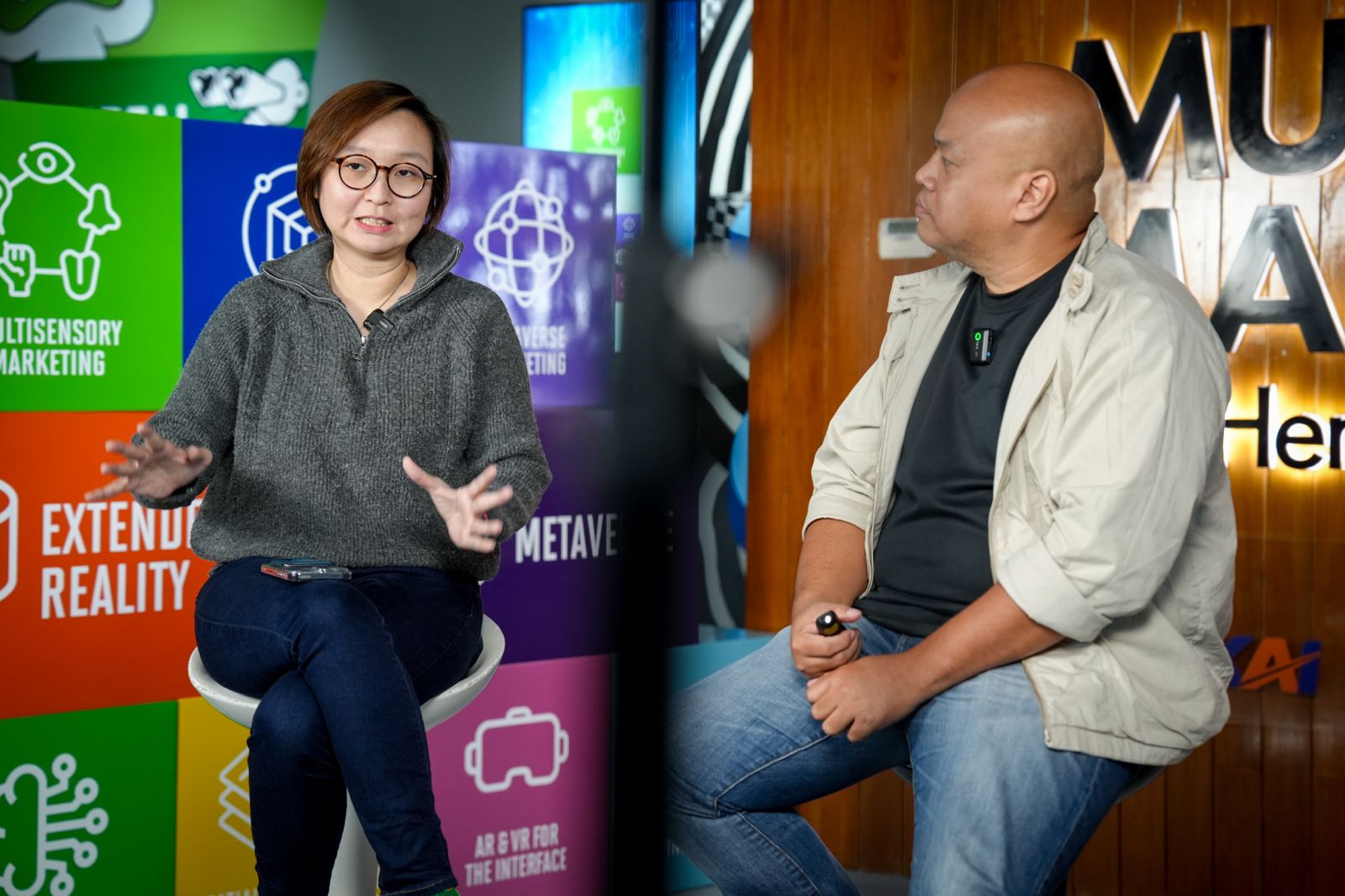 Dok. Biro Komunikasi Kemenekraf/Bekraf.
“To achieve this target, we must eliminate sectoral ego and foster cross-stakeholder collaboration through a hexahelix approach. Cross-sector synergy is the key to ensuring that the creative industry continues to grow inclusively and sustainably,” said the Deputy Minister of Creative Economy.
The podcast was hosted by Ignatius Untung, a behavioral science practitioner who explores industry dynamics through an interdisciplinary lens, combining perspectives from marketing, behavioral psychology, and business communication strategy.
The Deputy Minister also highlighted the limited downstreaming of creative products. To address this, the Ministry of Creative Economy continues to enhance the capacity of industry players through various training initiatives, including a collaboration with Google in the Google Play x Unity Game Developer Training program. Dok. Biro Komunikasi Kemenekraf/Bekraf.
This is crucial as many Indonesian-made games have already penetrated global markets such as the United States, Europe, China, Japan, and South Korea, with exports to Europe showing strong dominance.
To face the dynamics of the evolving industry, the Ministry of Creative Economy continues to strengthen the foundation of the creative economy ecosystem through updated sectoral data, streamlined inter-ministerial bureaucracy, and expanded creative infrastructure across regions.
“For our creative industry talents, we need adaptive financial strategies and the courage to shed any inferiority complex towards local products. With confidence and determination, Indonesian creative products can conquer the global stage,” she stressed.
The Deputy Minister was accompanied by Radi Manggala, Director for Marketing System Development and Institutional Relations, and Pupung Thariq Fadhillah, Director for Television and Radio.
Kiagoos Irvan Faisal
Acting Head of Bureau of Communications
Ministry of Tourism and Creative Economy/Agency for Creative Economy


