
Jakarta, 1 February 2026 — Deputy Minister of Creative Economy/Deputy Head of the Creative Economy Agency (BEKRAF), Irene Umar, attended the Global Game Jam (GGJ) 2026 Jakarta at LYTO Games, Jakarta, on Sunday (1/2). The event serves as a collaborative space for game talent to develop ideas and prototypes, while also gaining early insights into the market.
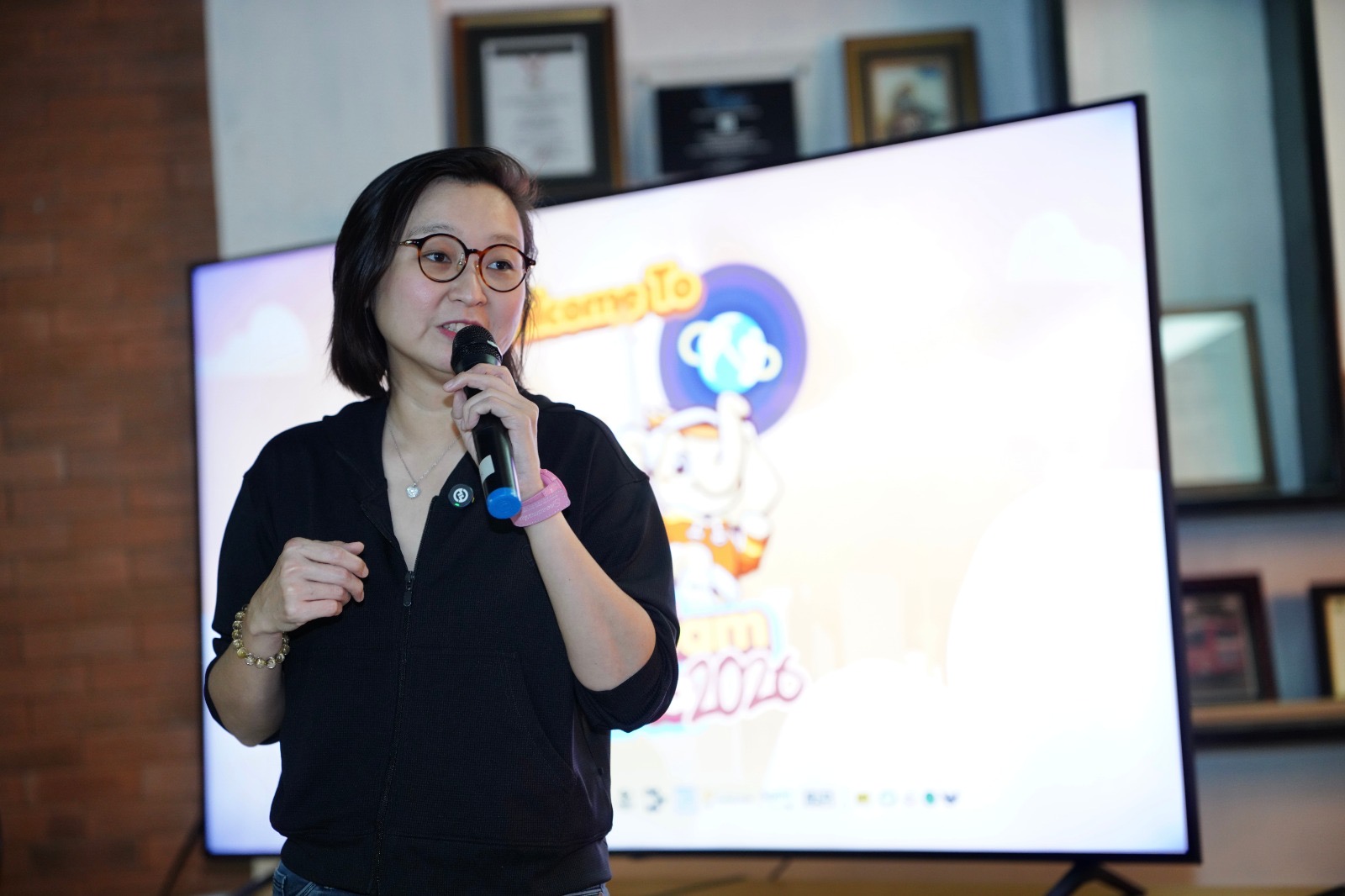 Deputy Minister of Creative Economy, Irene Umar, delivered remarks at the Global Game Jam (GGJ) 2026 Jakarta at LYTO Games, Jakarta, on Sunday (1/2/2026).
In her remarks, Deputy Minister of Creative Economy Irene Umar stated that GGJ plays a strategic role as a platform for testing ideas, fostering collaborative patterns, and serving as an initial foundation for the development of Indonesia’s game industry. She noted that the creative process of a game jam is essential for training developers not only to focus on technical and visual aspects but also to consider the sustainability of their creations.
“Never lose the passion in a game, but at the same time, developers must also learn to read data and understand the market. From there, we can determine the genre, strengthen the story, and adapt the work to remain relevant in the global market,” said Irene.
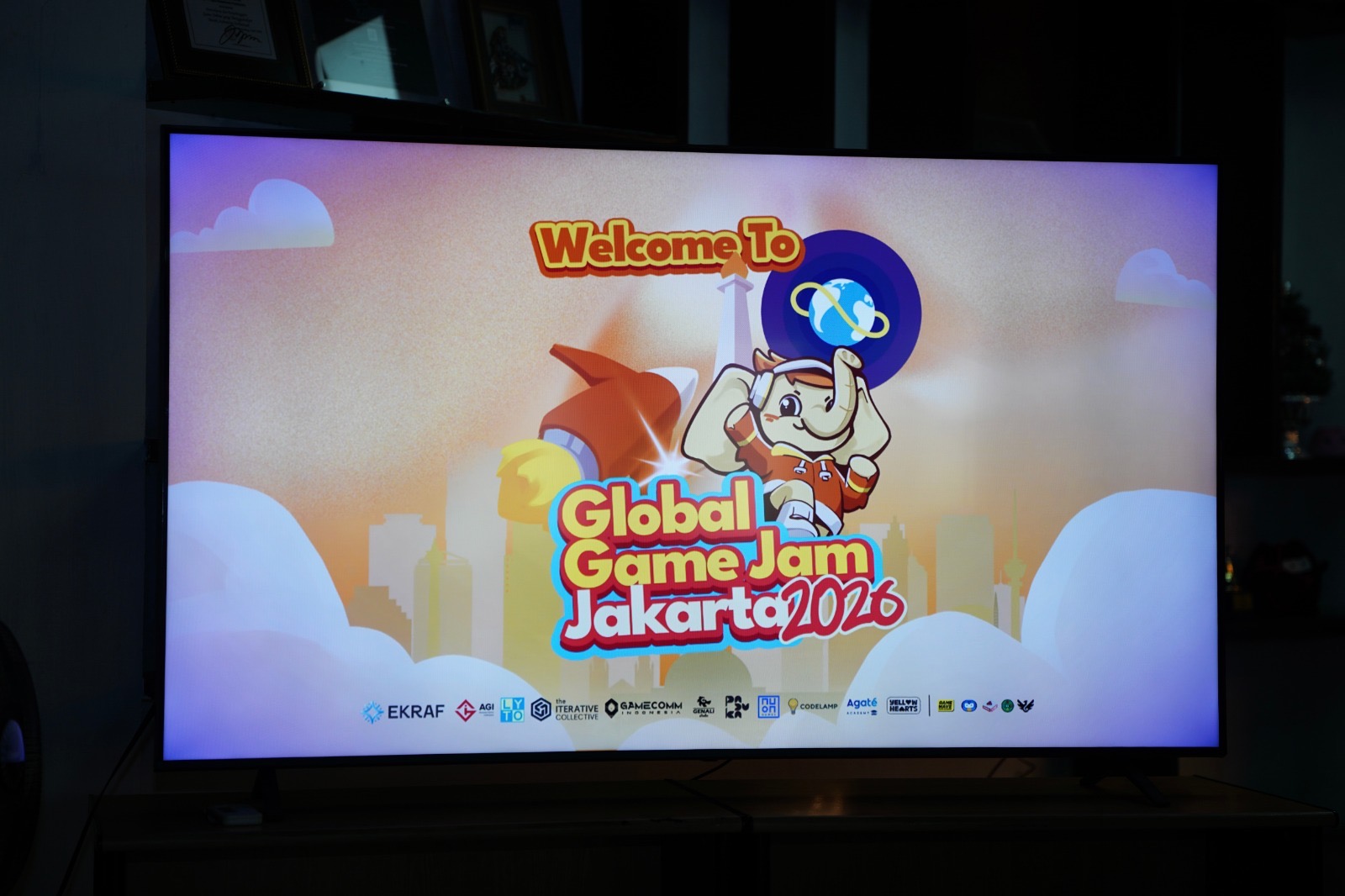
GGJ is an annual global event that brings together game development communities from diverse backgrounds to create game prototypes within 48 hours based on a theme set simultaneously worldwide. In 2026, GGJ in Indonesia was held offline in 14 cities and one online location, totaling 17 jam sites with a target of 1,290 participants. The event was initiated by the Indonesian Game Association (AGI) in collaboration with game developer communities from various regions.
 Doc. Bureau for Communication, Ministry of Creative Economy/Creative Economy Agency.
In Jakarta, GGJ 2026 took place at two locations with complementary ecosystem characteristics. LYTO Games served as a collaborative space for game developer communities, supported by work facilities and mentoring. Meanwhile, LaSalle College Jakarta provided a creative educational environment, opening participation opportunities for students and young talents. This approach broadened access while bringing together diverse skill sets within a single intensive creative process.
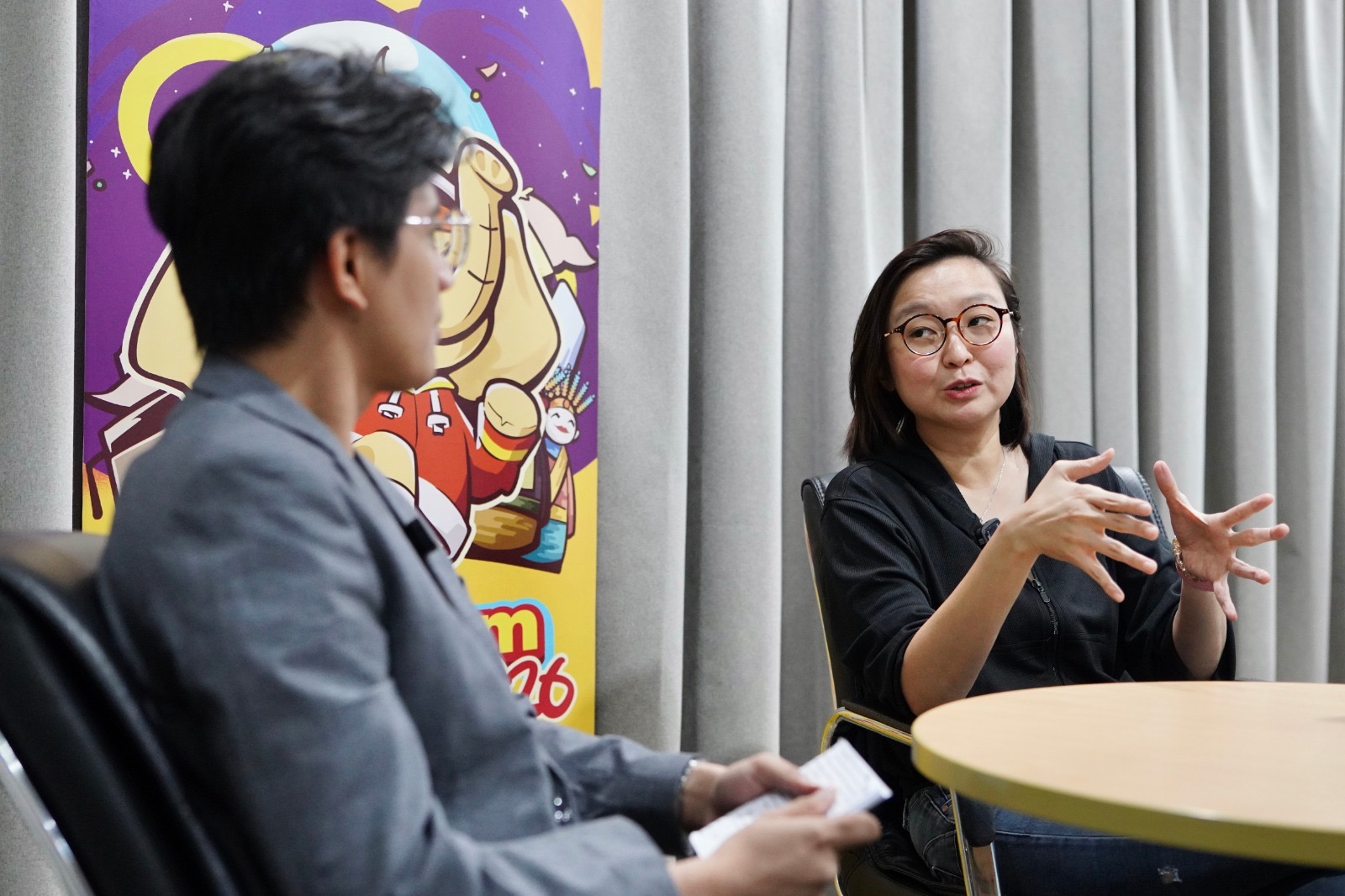
On this occasion, Deputy Minister of Creative Economy also personally tried several games created by participants, including both digital and board games. She engaged in dialogue with developers about the creative process, strengthening storylines, visual quality, and opportunities for further development. She noted that the achievements of participants within a short time reflect the capacity of Indonesian talent to produce works with a strong foundation.
 Doc. Bureau for Communication, Ministry of Creative Economy/Creative Economy Agency.
The Deputy Minister of Creative Economy encouraged that creations born from GGJ should not stop at the prototype stage but be further developed into competitive intellectual property (IP). According to her, the game industry requires a complete ecosystem—not only technical developers but also other roles such as community managers, quality control, and supporting ecosystem actors—to grow sustainably.
As a recap, the 2025 Global Game Jam in Indonesia, held across 12 cities, successfully produced hundreds of game projects, demonstrating the consistency and enthusiasm of the national game developer community. Through the 2026 Global Game Jam, the Ministry of Creative Economy continues to promote the strengthening of talent, collaboration, and the development of local games to grow sustainably and contribute as the new engine of growth for Indonesia’s creative economy.
Kiagoos Irvan Faisal
Head of Bureau for Communication
Ministry of Creative Economy/Creative Economy Agency


