Jakarta, February 25, 2025 – Traditional games like board games are again gaining attention in Indonesia. Interactive games such as snakes and ladders, monopoly, and chess have long been a part of Indonesian culture. To preserve this gaming culture and promote board game-based education, the Ministry of Creative Economy/Creative Economy Agency held a discussion with the Indonesian Board Game Industry Association (APIBGI) at the Film Building in Jakarta on Tuesday, February 25, 2025.

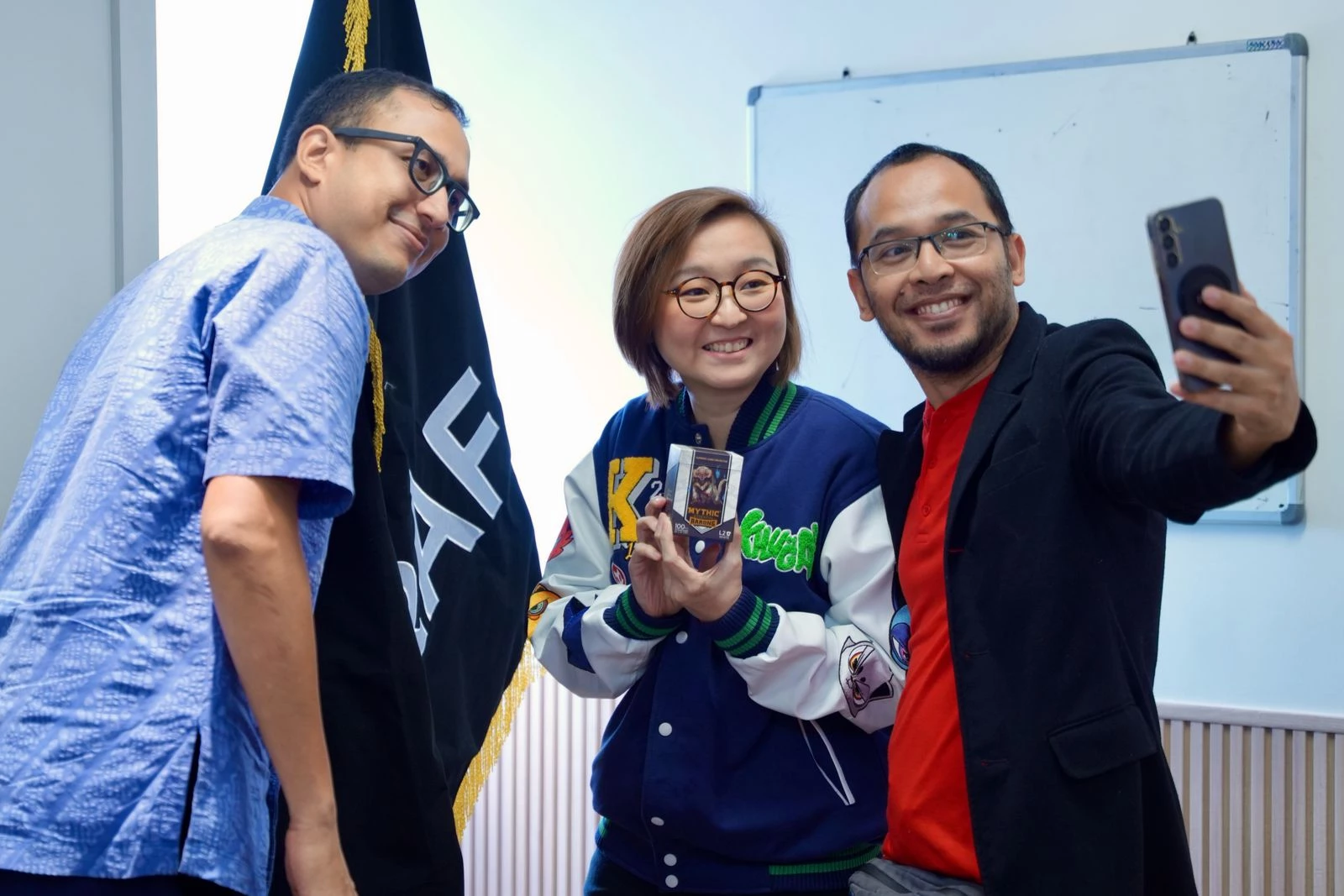
Dok. Biro Komunikasi Kemenekraf/Bekraf - Wamenekraf dorong kolaborasi APIBGI untuk lestarikan budaya dan kembangkan industri board game sebagai media edukasi dan hiburan, Jakarta (25/02/25).
The Deputy Minister of Creative Economy/Deputy Head of the Creative Economy Agency, Irene Umar, emphasized that board games are not just a form of entertainment but can also serve as an engaging educational tool for children and adults alike.
"Board games can be a fun medium to educate children and adults. For example, they can be used to teach history, introduce wayang (traditional puppet) characters, or serve as educational media in museums and tourist attractions across Indonesia," Irene stated.
 Dok. Biro Komunikasi Kemenekraf/Bekraf.
The board game market in Indonesia is projected to continue growing. Seeing this potential, Irene encouraged APIBGI to collaborate with the creative economy subsector to ensure that board games not only survive as part of cultural heritage but also evolve into a new economic growth engine.
"Jakarta holds significant potential to establish board game spots. Moreover, board games can serve as promotional media for local intellectual properties (IPs) in Indonesia, educate various sectors, and thrive through sustainable collaborations," Irene added.
APIBGI is an association encompassing various elements of the board game industry, including designers, illustrators, academics, publishers, retailers, distributors, and community groups. Mahawira Singh Dillon, Chairperson of APIBGI, shared that Indonesia’s board game industry continues to grow, even branching into the culinary sector through cafes offering board game experiences.
 Dok. Biro Komunikasi Kemenekraf/Bekraf.
"During the pandemic, the board game industry nearly collapsed as many cafes offering board game experiences were forced to close. However, there was a significant increase in online board game purchases, allowing people to play at home. Now, cafes featuring board games are flourishing once again, showing the large potential of this industry," Mahawira explained.
APIBGI Vice Chairperson, Galih Aristo, welcomed the outcomes of the discussion, noting that Ministry of Creative Economy/Creative Economy Agency involvement presents great opportunities for the board game industry to expand further.
 Dok. Biro Komunikasi Kemenekraf/Bekraf.
"Board games have a positive impact not only on children but also on adults. Through the culture of play and collaboration that develops, we hope to elevate the board game industry, involving designers, enthusiasts, distributors, and board game stores. We aspire for Indonesia to one day produce board games of outstanding quality," Galih expressed.
During the discussion, Deputy Minister of Creative Economy Irene was accompanied by Deputy for Digital Creativity and Technology, Muhammad Neil El Himam, and Director for Games, Luat S.P. Sihombing.
Kiagoos Irvan Faisal
Acting Head of the Communications Bureau
Ministry of Creative Economy/Creative Economy Agency


