
Jakarta, 23 April, 2026 – Deputy Minister of Creative Economy/Deputy Head of the Creative Economy Agency (Ekraf), Irene Umar, served as a speaker at The Urban Forum during ARCH:ID 2026 held at Indonesia Convention Exhibition BSD, Banten, Thursday (April 23). The forum addressed strategic issues related to urban development, design innovation, and the future of human living spaces.
 Deputy Minister Irene Umar also toured creative economy products showcased at ARCH:ID 2026.
In her remarks, she emphasized the importance of architectural forums as cross-sector platforms that contribute not only to industry development but also to national and global progress.
“Conferences like this are crucial—not only for the industry, but also for the country and the world. Architecture should shape and determine how people interact within a space,” she stated.
The Deputy Minister highlighted the importance of cross-subsector collaboration in strengthening the creative economy ecosystem, particularly in design and architecture, which are closely interconnected with various other disciplines.
“We need cross-subsector collaboration. For example, we organize the Indonesia Design Festival, which brings together architecture, product design, interior design, and graphic design. When this collaboration happens, the impact will be significant,” she explained.
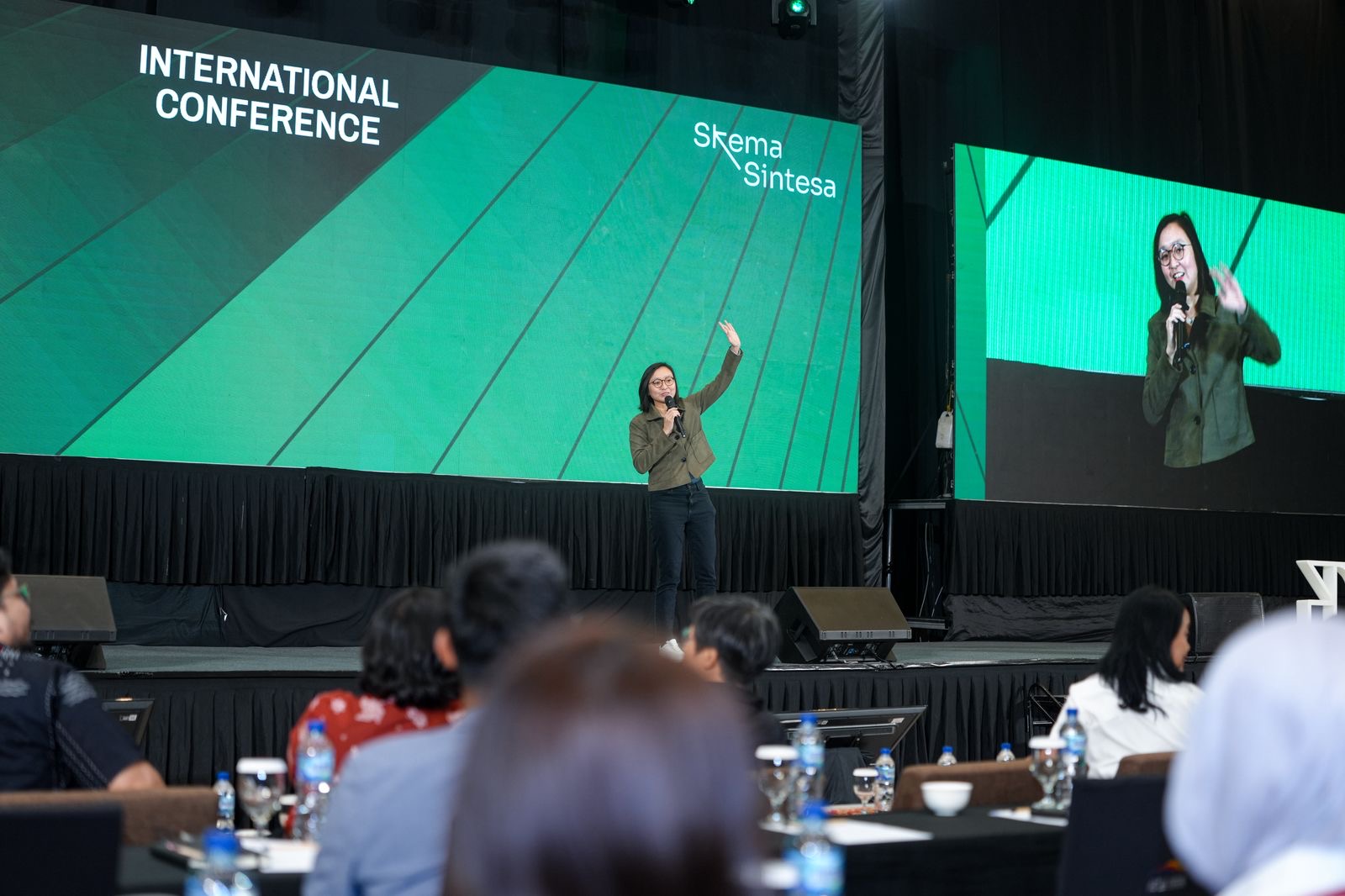 Doc. Bureau of Communications, Ministry of Creative Economy / Creative Economy Agency.
Furthermore, she outlined the Ministry’s role in supporting the development of this sector, both as a connector between industries and as a translator of cross-disciplinary needs.
“From the Ministry’s perspective, we have two main roles. First, as a matchmaker—bridging sectors that are not yet accustomed to working together. Second, as a translator—interpreting the needs across different ‘industry languages’ to create effective synergy,” she added.
ARCH:ID 2026 is an annual national and international event combining exhibitions and interdisciplinary conferences. This year’s theme, “Skema Sintesa: Architecture of Engagement,” positions architecture as a collaborative process involving communities, design practitioners, technology, urbanism, and other creative subsectors.
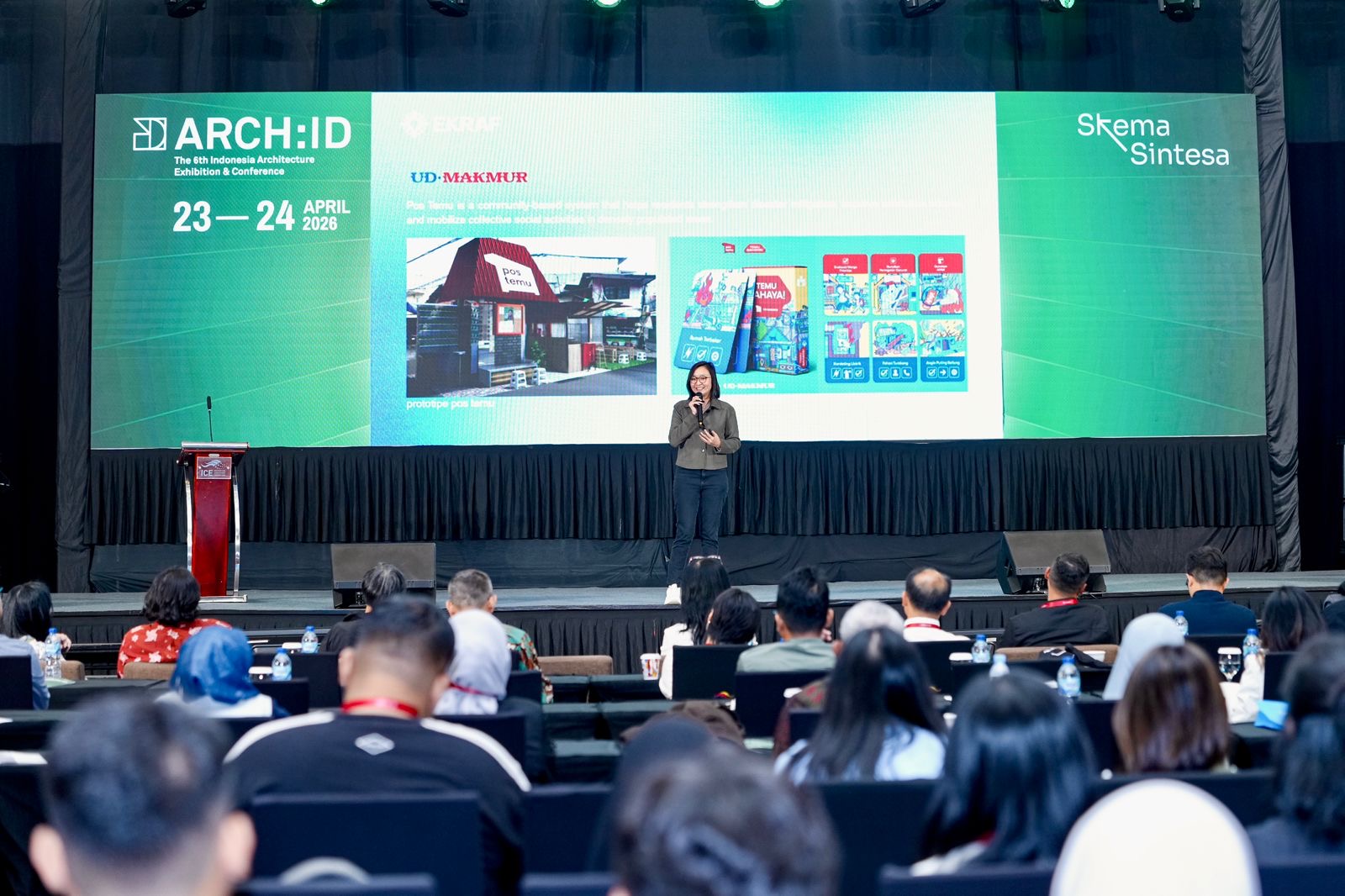 Doc. Bureau of Communications, Ministry of Creative Economy / Creative Economy Agency.
Through its participation in this forum, the Ministry of Creative Economy aims to foster stronger synergy among stakeholders, ensuring that architecture evolves beyond design practice into a strategic solution for future development challenges.
Also speaking at the forum were Deputy Minister of Public Works Diana Kusumastuti, architect Florence Chan, and landscape architect Agnes Soh.
Kiagoos Irvan Faisal
Head of Bureau of Communications
Ministry of Creative Economy / Creative Economy Agency


