

Music performances have long shared a close relationship with fashion. Stages, audiences, and even small corners of the city have often become breeding grounds for new styles of dress. Within the independent music sphere, this space is commonly found in gigs—small to medium-scale live shows organized by communities and indie musicians. More than intimate concerts, gigs function as social arenas where subcultures grow, lifestyles are exchanged, and visual identities are formed.
Crowded rooms filled with distorted sound and independent music forums have become the roots of alternative identity, giving rise to scene fashion as a boundless form of expression. In these spaces, clothing serves as a visual language—communicating resistance to mainstream trends, allegiance to certain music genres, freedom of expression, or simply the desire to appear authentic. The aesthetic is inherently experimental, marked by unconventional layering, non-standard silhouettes, bold material combinations, and accessories that radiate subcultural energy.
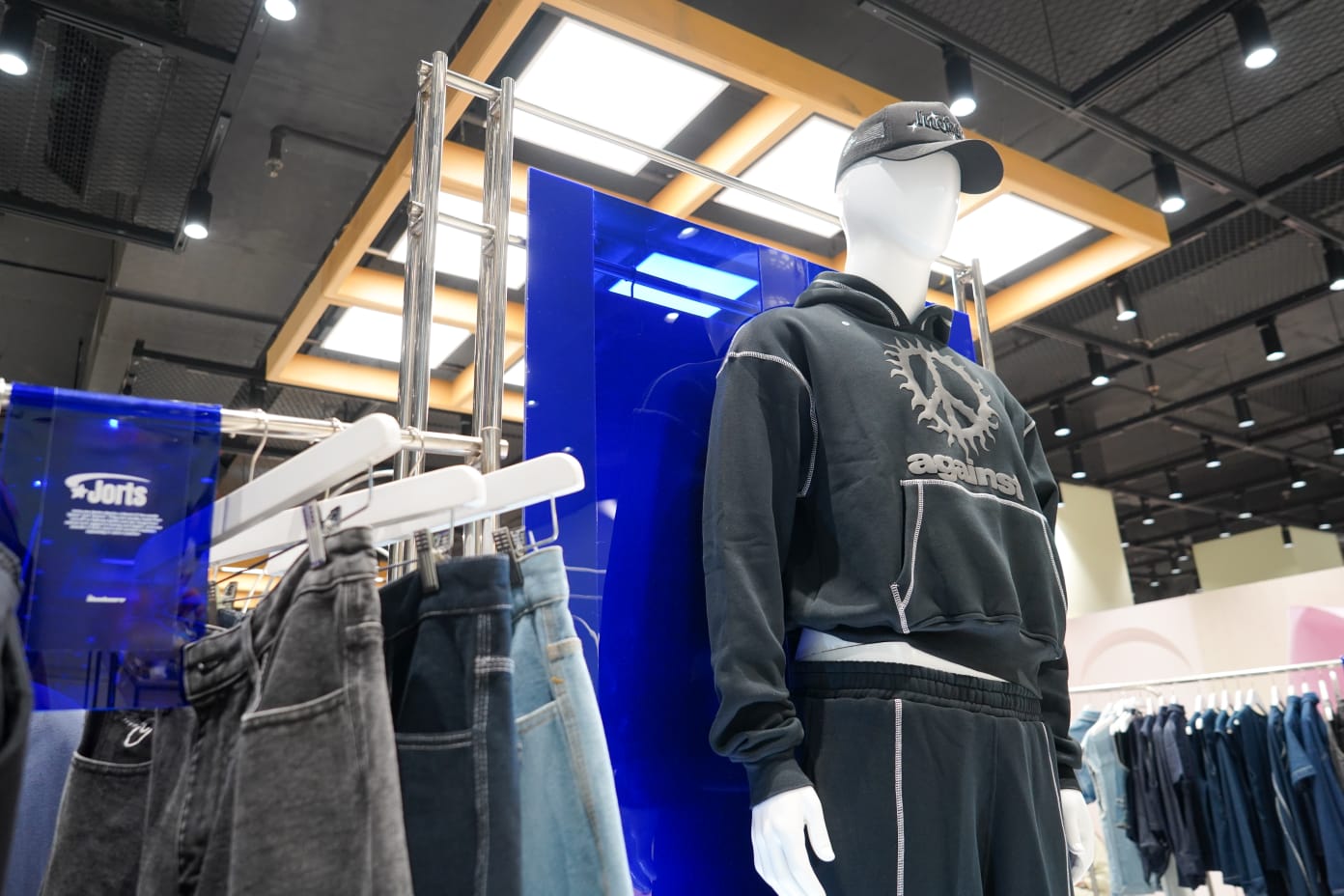
In recent years, this aesthetic has resurfaced alongside the rise of young creative communities eager to express themselves without limitations. Scene fashion no longer exists merely as a look, but as a cultural representation born from the intersection of music, the internet, and community-driven spaces.
One tangible example of how scene fashion continues to evolve within the local landscape is Disclosure, a Bandung-based fashion brand that blends subcultural energy with Y2K aesthetics—drawing inspiration from early-2000s styles characterized by bold colors, futuristic impressions, and technological undertones. With a strong visual approach and deep ties to gig culture, Disclosure demonstrates how alternative styles can grow into a distinct identity within Indonesia’s local fashion industry.
Reworking Y2K Nostalgia
Disclosure does not simply replicate Y2K visuals. Instead, the brand deconstructs early-2000s aesthetics and reinterprets them through a contemporary lens. Metallic finishes, pop colors, bold graphics, and streetwear influences become the brand’s way of capturing the spirit of a generation raised alongside early digital culture. Elements once considered excessive have now transformed into symbols of self-expression within urban scene communities.

The presence of Disclosure also signals how local brands can make nostalgia relevant again. Rather than merely following trends, the brand builds its aesthetic around community—drawing inspiration from the energy of Bandung’s gigs, conversations among creators, and the dynamics of young people seeking visual mediums to express their identity. Nostalgia, in this context, is not repetition, but reconstruction.
The Scene Ecosystem as a Creative Economy Engine
Behind every Disclosure release lies a collaborative creative process involving multiple disciplines. Illustrators design graphics, designers experiment with silhouettes, photographers capture editorial moods, and local musicians create ambience for pop-up spaces. This interconnected process illustrates how scene fashion operates as part of the creative economy—where sectors support and energize one another.
The brand’s collaborative model further highlights how fashion labels can become hubs connecting music, visual arts, graphic design, and film. Disclosure’s pop-ups are not merely temporary retail spaces; they function as meeting points for creative mediums, where fashion, music, and visuals spark new ideas. The result is an ecosystem that organically drives economic circulation and creative value.
Scene as Identity and Cultural Expression
As a fashion brand, Disclosure understands that young consumers purchase more than clothing—they invest in meaning and lifestyle. By combining Y2K aesthetics with Bandung’s scene culture, Disclosure offers wearable identities rather than fleeting trends. The brand creates a sense of belonging, allowing consumers to feel connected to a shared atmosphere and cultural narrative.

Ultimately, Disclosure does more than produce garments—it archives culture. Subcultures once perceived as peripheral now stand at the forefront of shaping Indonesia’s creative narrative. In the hands of brands like Disclosure, scene fashion transcends style statements, evolving into a living cultural engine that continues to move forward.


