
Malang, 8 November 2025 — Minister of Creative Economy/Head of the Creative Economy Agency, Teuku Riefky Harsya, encouraged young people to take a stronger role in the creative industries, cultural development, and digitalization. This message was delivered during a panel discussion at the International Conference “Future Creative Ecosystem: AI, Media Art, and Digital Humanity” as part of the Indonesia Creative Cities Festival (ICCF), held at the 7th Floor Auditorium of Malang Creative Center on Saturday, 8 November 2025.
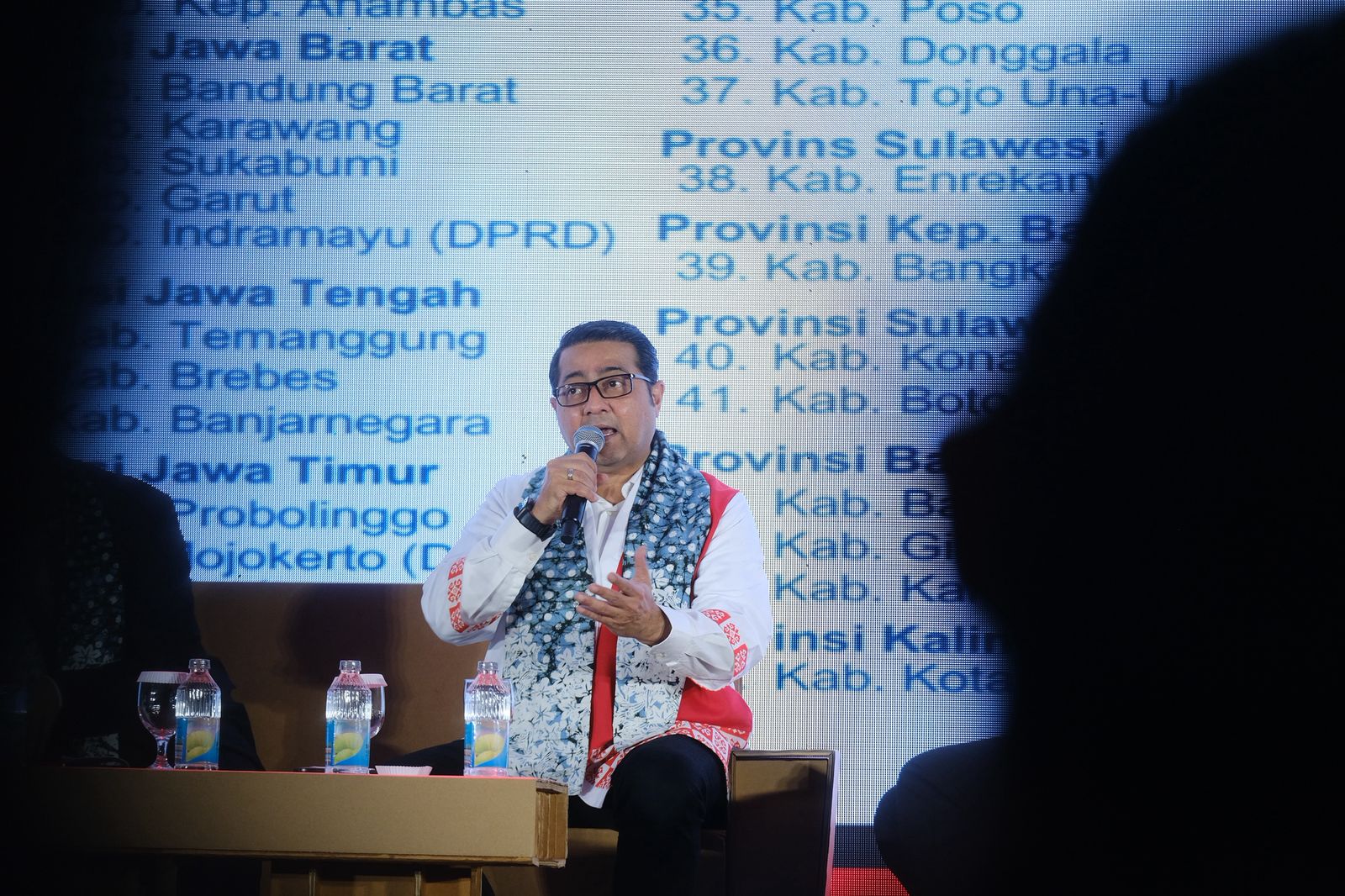 Menteri Ekonomi Kreatif, Teuku Riefky Harsya, menjadi salah satu panelis dalam sesi diskusi panel pada Konferensi International ‘Future Creative Ecosystem: AI, Media Art, and Digital Humanity’ yang merupakan rangkaian acara Indonesia Creative Cities Festival (ICCF) di Auditorium Lantai 7, Malang Creative Center, Malang, Sabtu (8/11/2025).
“Young people today are moving rapidly toward digitalization. We hope that this shift results in productive creativity—where hobbies can generate multiple streams of income. Of course, every opportunity comes with digital challenges that must be addressed, which is why effective digital collaboration and communication are crucial,” said the Minister.
The Minister expressed hope that this forum would serve as a space for consolidating creative communities with the central and regional governments as Indonesia moves toward its Golden Era 2045. The Ministry of Creative Economy and the Indonesia Creative Cities Network (ICCN) share a commitment to supporting the continuous growth of creative economy initiatives in local regions. Early in 2025, the Ministry of Creative Economy and the Ministry of Home Affairs issued a Joint Ministerial Decree (SKB) outlining guidelines for forming creative economy offices at the regional level—a milestone for ICCN in socializing the establishment of creative economy units as independent or combined government departments.
“Previously, only 8 out of 38 provinces had creative economy offices, and only 18 out of 514 districts and cities. Today, 80 districts and cities are in the process of establishing their Creative Economy Offices. These offices do not need to stand alone; they may be integrated with other departments to accelerate creative economy growth across regions,” the Minister added.
 Communication Bureau of the Ministry of Creative Economy/Creative Economy Agency.
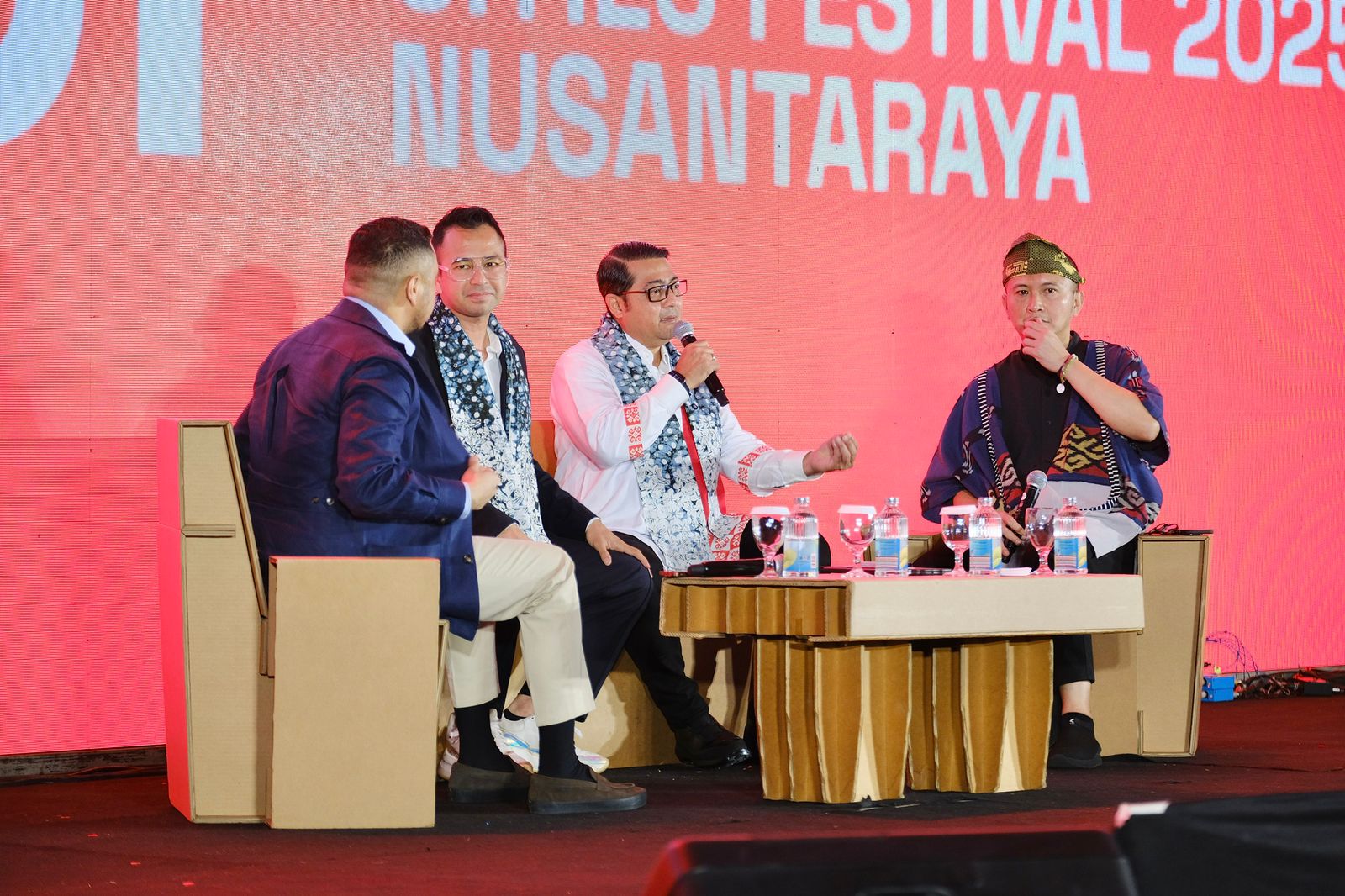
Also present on the panel was the President’s Special Envoy for Youth and Creative Workers, Raffi Ahmad, who highlighted ICCN’s role in supporting creative communities across 254 cities and districts, as well as addressing the challenge of digital misinformation.
“ICCN was formed through cross-community collaboration and is deeply rooted in more than 254 creative cities and districts. Thank you to ICCN for consistently partnering with the Ministry of Creative Economy and the Ministry of Culture to empower young creative talents. The Ministry can help communicate to the public how social media’s creative potential can be directed toward more positive contributions,” said Raffi Ahmad.
Echoing this sentiment, Vice Minister of Culture Giring Ganesha emphasized the importance of collaboration among communities, government, and industry players in advancing creativity and preserving cultural heritage. He highlighted the ongoing effort to nominate tempe as an intangible cultural heritage under UNESCO.
 Communication Bureau of the Ministry of Creative Economy/Creative Economy Agency.
“Our colleagues at the Ministry of Culture are working hard to have tempe recognized as a UNESCO intangible cultural heritage. We want to ensure that tempe artisans can produce cleaner, export-ready tempe and communicate that it is originally Indonesian so it can be enjoyed globally. East Java, being one of Indonesia’s tempe centers, can play a major role in elevating tempe as a top global food,” said Vice Minister Giring.
The interactive panel discussion was moderated by the Chair of ICCN, Fiki Satari. Through the session, conference participants gained a clearer understanding of how the creative economy provides an innovation-driven value chain, integrated with cultural ecosystems, while leveraging digital technology for economic benefits. Young people can actively participate by creating digital content, consuming and distributing information, and amplifying narratives that emerge within the digital landscape.
 Communication Bureau of the Ministry of Creative Economy/Creative Economy Agency.
Accompanying Minister Teuku Riefky were Secretary of the Ministry of Creative Economy/Secretary of the Creative Economy Agency, Dessy Ruhati; Deputy for Creative Economy Strategic Development, Cecep Rukendi; Special Staff to the Minister for Strategic Issues and Interagency Affairs, Rian Syaf; Director of Infrastructure Facilitation, Fahmy Akmal; Director of Funding, Finance, and Investment Access Development, Anggara Hayun Anujuprana; and Head of the Human Resources and Organization Bureau, Nurul Huda.
Kiagoos Irvan Faisal
Acting Head of Communications Bureau
Ministry of Creative Economy / Creative Economy Agency


