
Jakarta, July 9, 2025 – The Ministry of Creative Economy has proposed a budget of IDR 2.34 trillion for its 2026 creative economy programs to achieve the targets of 6.12% GDP growth and 27.66 million job creation. This budget will strengthen strategies for the development of seven priority subsectors, including fashion and film.
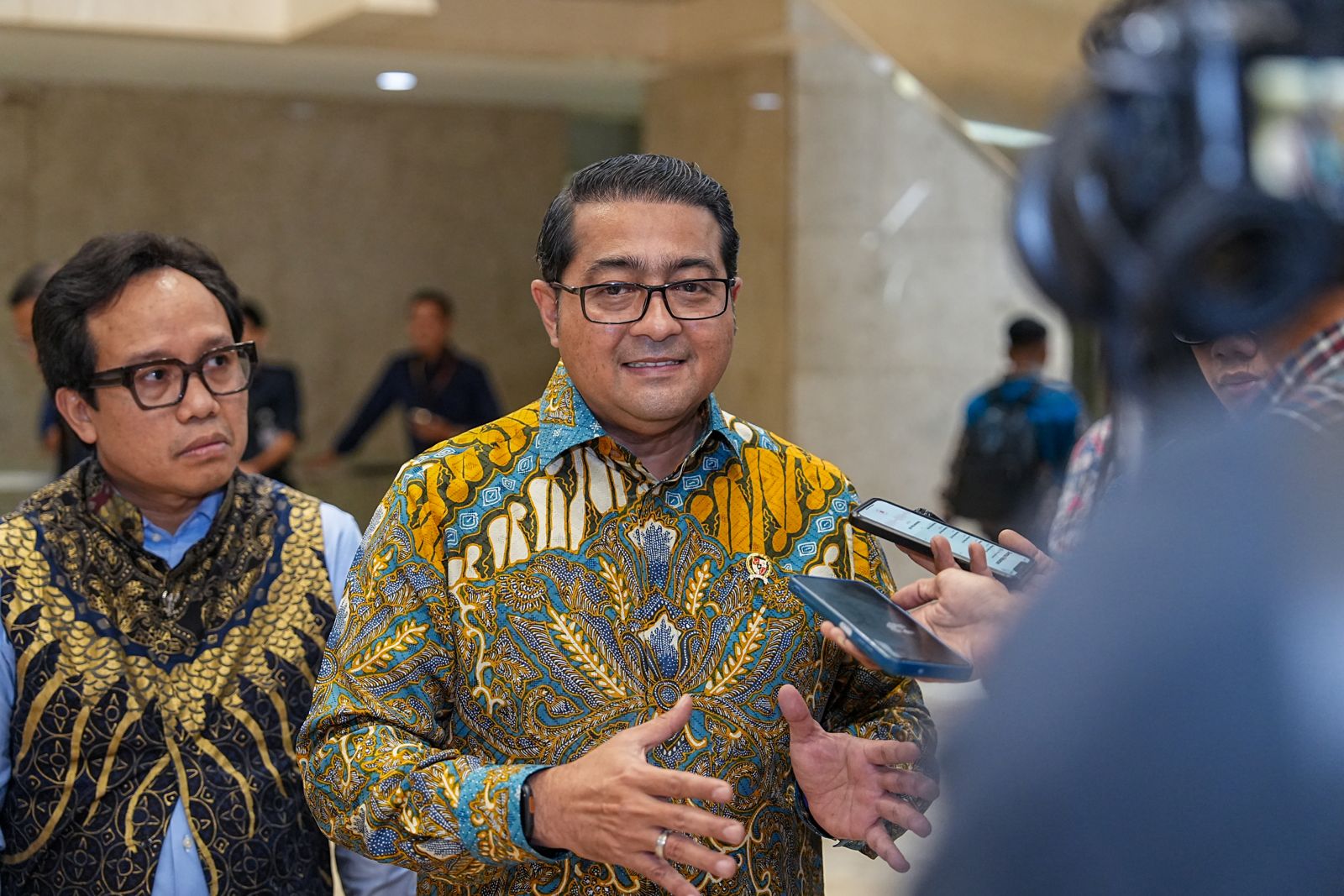
 Kementerian Ekraf Raker dengan DPR, Menekraf Teuku Riefky paparkan strategi wujudkan Asta Cita Presiden di sektor ekraf, Jakarta, Rabu (9/7/2025).
Minister of Creative Economy, Teuku Riefky Harsya, conveyed this during a working meeting with Commission VII of the House of Representatives (DPR) to discuss the 2026 Government Work Plan (RKP) and the ministry’s budget at Gedung Nusantara 1, DPR/MPR Complex, Jakarta, on Wednesday, July 9, 2025.
“We need the full support of the DPR regarding the additional budget proposed under the Ministry of Creative Economy’s 2026 New Initiatives so that our creative economy programs can run effectively, and public services can be delivered to make the creative economy a new engine of national growth, which starts from the regions,” said Minister Teuku Riefky.
 Dok. Biro Komunikasi Kemenekraf
The ministry remains committed to working at full capacity to achieve the cascading structure of the creative economy outlined in the 2025–2029 National Medium-Term Development Plan (RPJMN). Minister Teuku Riefky also emphasized efforts to realize the third point of President Prabowo’s Asta Cita, which is to create quality jobs, promote entrepreneurship, and develop the creative industries.
“In line with strengthening the intellectual property–based creative economy ecosystem, we are working to enhance the competitiveness of the creative economy through the 2029 Priority Program targets and indicators: 6.12% for creative economy GDP growth, 5.96% for creative economy export growth, 27.66 million for the creative economy workforce, and 8.08% for creative economy investment growth,” said the Minister of Creative Economy.
 Dok. Biro Komunikasi Kemenekraf
“Our activities include strengthening the ecosystem of seven priority subsectors—culinary, crafts, fashion, games, apps, music, as well as film, animation, and video,” the Minister added, presenting this as a follow-up to the previous meeting on June 26, 2025.
Minister Teuku Riefky also outlined strategies to ensure the effective and efficient use of the proposed budget for the planned programs.
“The Ministry of Creative Economy has developed strategies that will serve as a guide for economy creative program implementation, including developing priority subsectors based on growth potential and industry trends, building an intellectual property ecosystem, accelerating creative economy exports—especially intangible products—strengthening upstream-to-downstream linkages and integrating creative economy into other supply chains, and developing the creative economy across 15 priority provinces with the highest potential,” said the Minister.
 Dok. Biro Komunikasi Kemenekraf
Responding to the presentation, Chair Rahayu Saraswati Djojohadikusumo concluded that Commission VII of DPR approved the proposed additional budget. She urged the Ministry of Creative Economy to submit more detailed supporting data for the 2026 additional budget proposal and to follow up on input from Commission VII members during the meeting.
 Dok. Biro Komunikasi Kemenekraf
“We hope the Ministry of Creative Economy can enhance the competitiveness of creative economy talents—especially in the digital subsector—expand training and workshop for creative economy human resources (HR) in adopting Artificial Intelligence (AI)-based technologies, and boost creativity in designing programs that drive the growth of the creative economy,” said Saras.
She also believed that the ministry can optimize collaboration with local governments and stakeholders to develop the creative economy at the regional level.
 Dok. Biro Komunikasi Kemenekraf
“There are many highly creative talents in the regions, and we hope the creative economy will grow from the regional level. The Ministry can also design programs to recognize and celebrate Indonesian animators who have made significant contributions to the global animation industry. The Ministry can also leverage local potential to support the growth of cultural creativity, particularly in the performing arts sector,” Saras added.
The Minister of Creative Economy was accompanied by senior officials from echelon 1 and echelon 2 of the ministry. Also present from Commission VII of DPR were Commission VII Chairman, Saleh Partaonan Daulay; Vice Chairman Lamhot Sinaga, and members of Commission VII.
Kiagoos Irvan Faisal
Acting Head of Bureau for Communication
Ministry of Creative Economy


