
Bogor, 2 November 2025 – The fashion subsector remains the largest contributor to Indonesia’s creative economy exports, reaching approximately 7 million US dollars in 2025. To enhance its global competitiveness, the Ministry of Creative Economy/Creative Economy Agency is encouraging dozens of local brands to strengthen their brand identity (brand DNA) and secure protection through Intellectual Property Rights (HAKI).
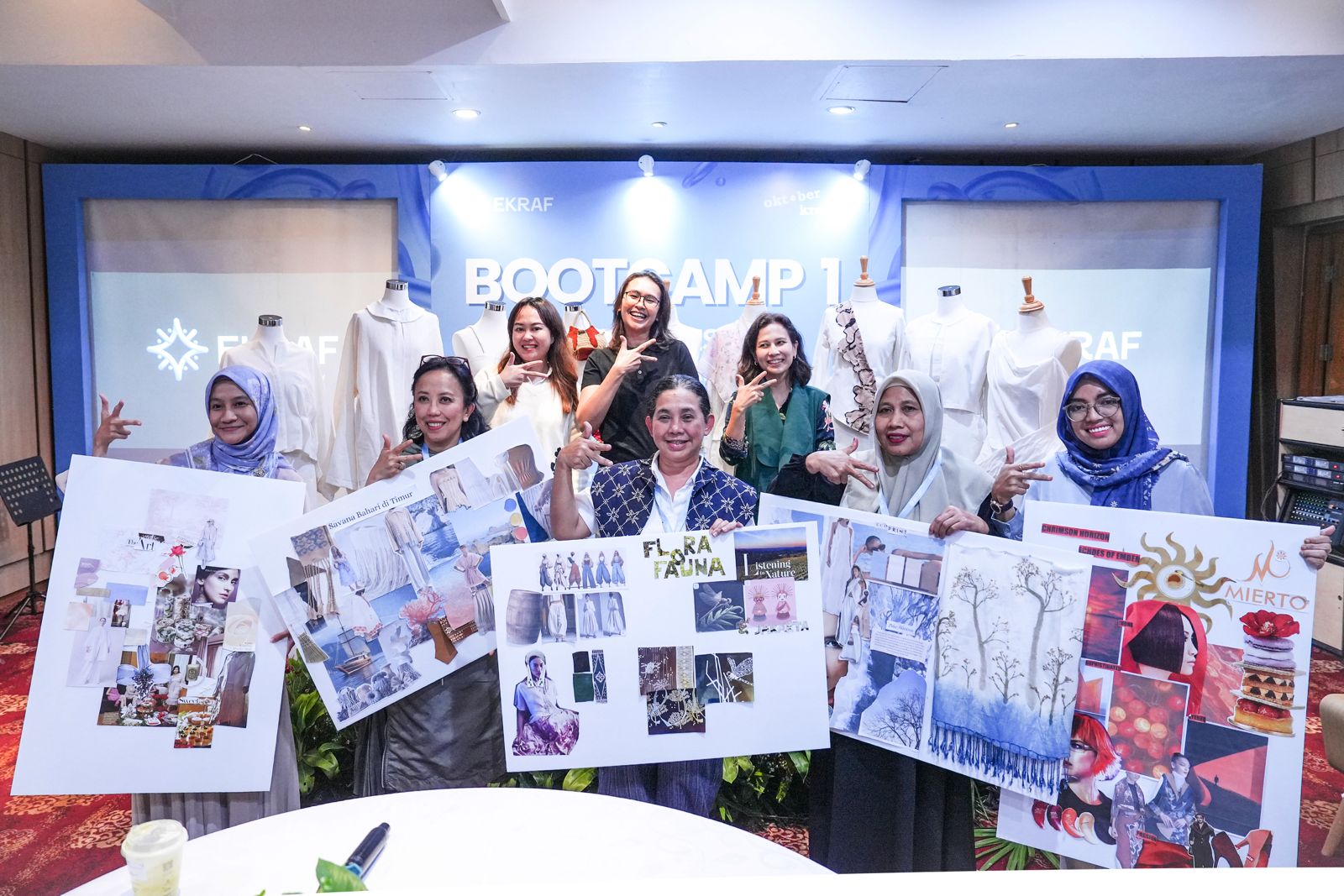
Sesi persentasi para peserta pada kegiatan Bootcamp 1 Inkubasi Fesyen wilayah Jabodetabek, Bogor, Minggu (2/11/2025).
“Identity and distinctiveness make a product unique and different from its competitors. However, without IP protection, the risk of plagiarism increases significantly, which may reduce market opportunities,” said Director of Fashion Romi Astuti on the second day of Bootcamp 1 of the Fashion Incubation Program for the Greater Jakarta Area, in Bogor, West Java, Sunday, 2 November 2025.
Bootcamp 1 of the Fashion Incubation Program for the Greater Jakarta Area is organized by the Ministry of Creative Economy/Creative Economy Agency to support the development of brand identity and to strengthen product readiness for entry into global markets.
Aside from being the top contributor to exports—with a value of around 7 million US dollars—data from BKPM also shows that the fashion subsector ranks second in creative economy investment, reaching a total of Rp9.43 trillion.
 Communication Bureau of the Ministry of Creative Economy/Creative Economy Agency.
The Director of Fashion conveyed the Ministry’s commitment to facilitating access for the registration and processing of IP protection. She explained that through Bootcamp 1, the Ministry can further strengthen its data on brands requiring IP facilitation.
“The Ministry of Creative Economy/Creative Economy Agency, through the Directorate for Intellectual Property Facilitation Development, can assist with the registration process, while the Directorate of Fashion is ready to support through the provision of brand data,” she added.
The ten curated fashion brands participating in this program gained different benefits tailored to their most urgent business needs. Batik Marunda—a foundation that empowers relocated mothers at Marunda Rusunawa, North Jakarta, through the production of Betawi batik with coastal flora and fauna motifs—felt the program significantly strengthened its business foundation and elevated the economic value of its products.
 Communication Bureau of the Ministry of Creative Economy/Creative Economy Agency.
“Previously, we focused mainly on guiding residents in developing designs, but we paid less attention to the sales and business aspects. This training from the Ministry of Creative Economy/Creative Economy Agency directly addresses our needs to increase the selling value of our products so the mothers in the flats can improve their economic welfare. We are also greatly helped by the facilitation of IP registration, as the explanations helped us better understand the importance of having protected branding,” said Chair of the Batik Marunda Foundation, Irmanita.
Meanwhile, Eti Yuniarti, owner of PT Schon Craft Indonesia, shared that the financial mentoring session provided highly practical insights, especially in determining product pricing. She learned that pricing is not only based on production costs but must also take into account market segmentation, the complexity of techniques used, and the quality of the final product to set an appropriate value.
“From today’s financial mentoring session, we learned how to determine a selling price that truly reflects the value of our handmade products. We can now be more confident in setting prices that match the effort and craftsmanship involved, while still considering our market opportunities. We hope our work will be increasingly appreciated, both domestically and internationally,” said Eti.
 Communication Bureau of the Ministry of Creative Economy/Creative Economy Agency.
Aside from financial aspects, several participants also found that strengthening their brand character was the main benefit they gained. Jumirah, one of the participants and owner of the clothing brand Mierto, felt that this mentoring helped her sharpen the brand’s distinctiveness without losing the identity built since the beginning.
“We have long produced batik clothing with common patterns, and at one point we were unsure about the future direction of our brand or what our most compelling characteristic was. Here, we gained many insights and were guided to directly practice upgrading our brand DNA while still maintaining Mierto’s original identity,” said Jumirah.
Kiagoos Irvan Faisal
Acting Head of the Bureau for Communication
Ministry of Creative Economy / Creative Economy Agency


