
Jakarta, December 18, 2025 — Deputy Minister of Creative Economy / Deputy Head of the Creative Economy Agency, Irene Umar, highlighted culinary arts as a key strength of Indonesia’s creative economy through the launch of the short film Jejak Rasa Yogyakarta by Garin Nugroho and a trilogy of Indonesian culinary books. Held at Taman Mini Indonesia Indah (TMII), Jakarta, on Thursday, December 18, 2025, the event underscored the synergy between film, cultural literacy, and the culinary industry in creating economic opportunities while preserving national identity.
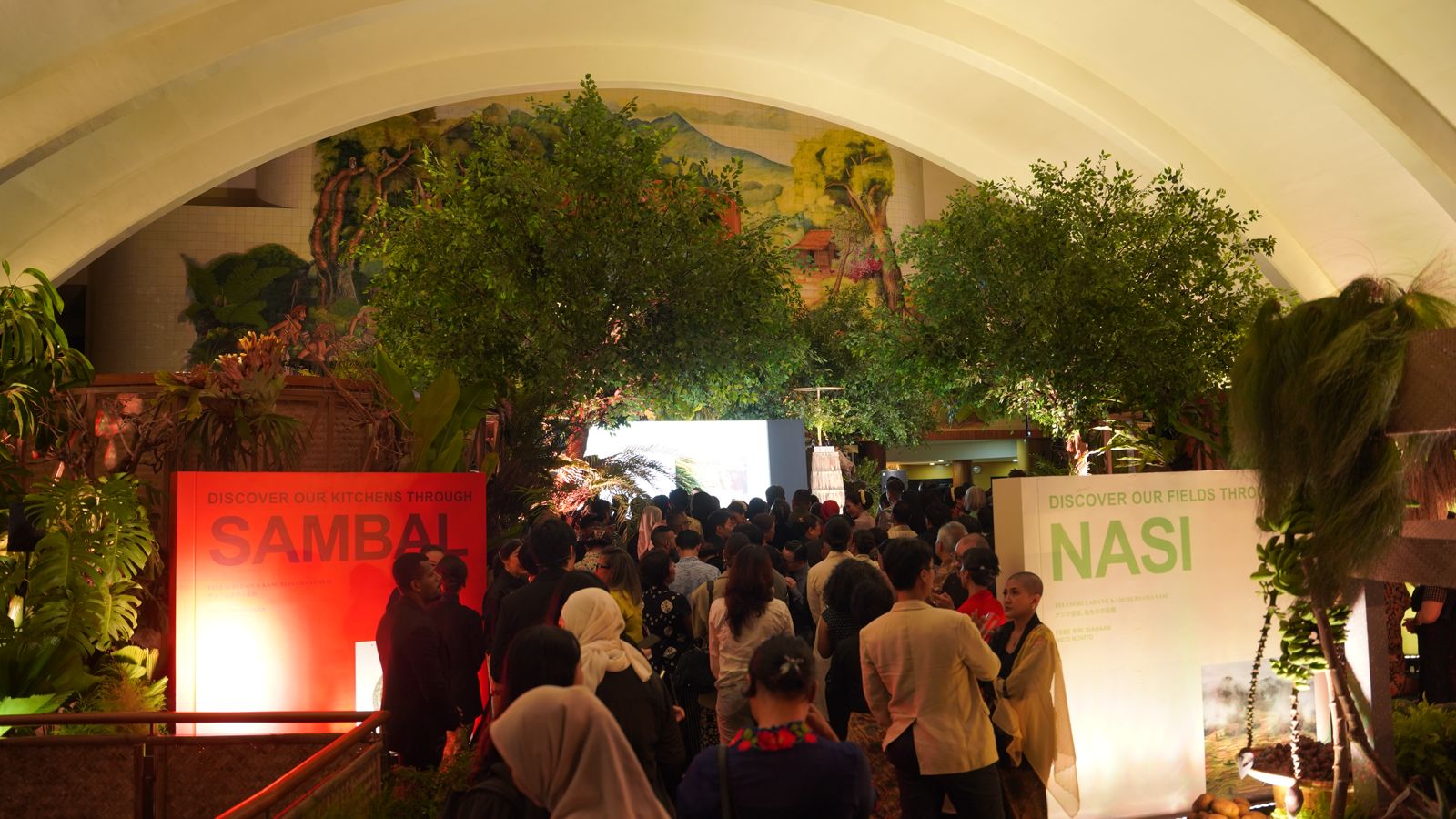 Wakil Menteri Ekonomi Kreatif, Irene Umar, mendorong kuliner sebagai kekuatan ekonomi kreatif Indonesia melalui peluncuran film pendek 'Jejak Rasa Yogyakarta' karya Garin Nugroho dan trilogi buku kuliner Nusantara. Acara yang berlangsung di Taman Mini Indonesia Indah (TMII), Jakarta, Kamis (18/12/2025).
“The film Jejak Rasa Yogyakarta and the culinary book trilogy Nasi, Sambal, Soto demonstrate how Indonesian culture and cuisine can be told creatively. We are not only preserving traditions, but also opening economic opportunities for MSMEs through the strengthening of creative industries,” said the Deputy Minister of Creative Economy.
Directed by Garin Nugroho, the six-minute film showcases the richness of Yogyakarta’s culture and culinary diversity through a modern artistic approach. The film is an initiative of the Didit Hediprasetyo Foundation and forms part of the Indonesia Pavilion program at World Expo 2025 Osaka, reflecting collaboration between creative industries and arts foundations in presenting cultural and culinary experiences to both domestic and international audiences.
 Dok. Biro Komunikasi Kementerian Ekonomi Kreatif/ Badan Ekonomi Kreatif.
In addition to the film screening, the event also marked the launch of a trilogy of Indonesian culinary books that explore the archipelago’s culinary heritage from various perspectives, ranging from historical narratives and cultural traditions to the philosophy behind each dish. The trilogy reinforces the idea that Indonesian cuisine is not merely a collection of recipes, but a living cultural narrative and gastronomic experience that remains relevant to the development of the creative industry.
The Deputy Minister of Creative Economy emphasized that this initiative demonstrates how Indonesia’s creative economy is not only growing in major cities, but also holds strong potential across regions rich in cultural and culinary heritage.
 Dok. Biro Komunikasi Kementerian Ekonomi Kreatif/ Badan Ekonomi Kreatif.
“Through this initiative, we aim to showcase the creative economy potential across the archipelago. Local creativity and culture can become a new engine of growth, while opening pathways for creative talents to level up,” she stated.
The event reflected the spirit of sustainable development, global collaboration opportunities, and the strengthening of the creative industry ecosystem, while highlighting how creativity and culture can serve as a new engine of growth for Indonesia. The event was attended by artists and cultural practitioners, filmmakers, writers, academics, and culinary industry players, demonstrating collective support for the development of Indonesia’s creative potential rooted in cultural richness and local wisdom.
Kiagoos Irvan Faisal
Acting Head of Bureau for Communication
Ministry of Creative Economy / Creative Economy Agency


